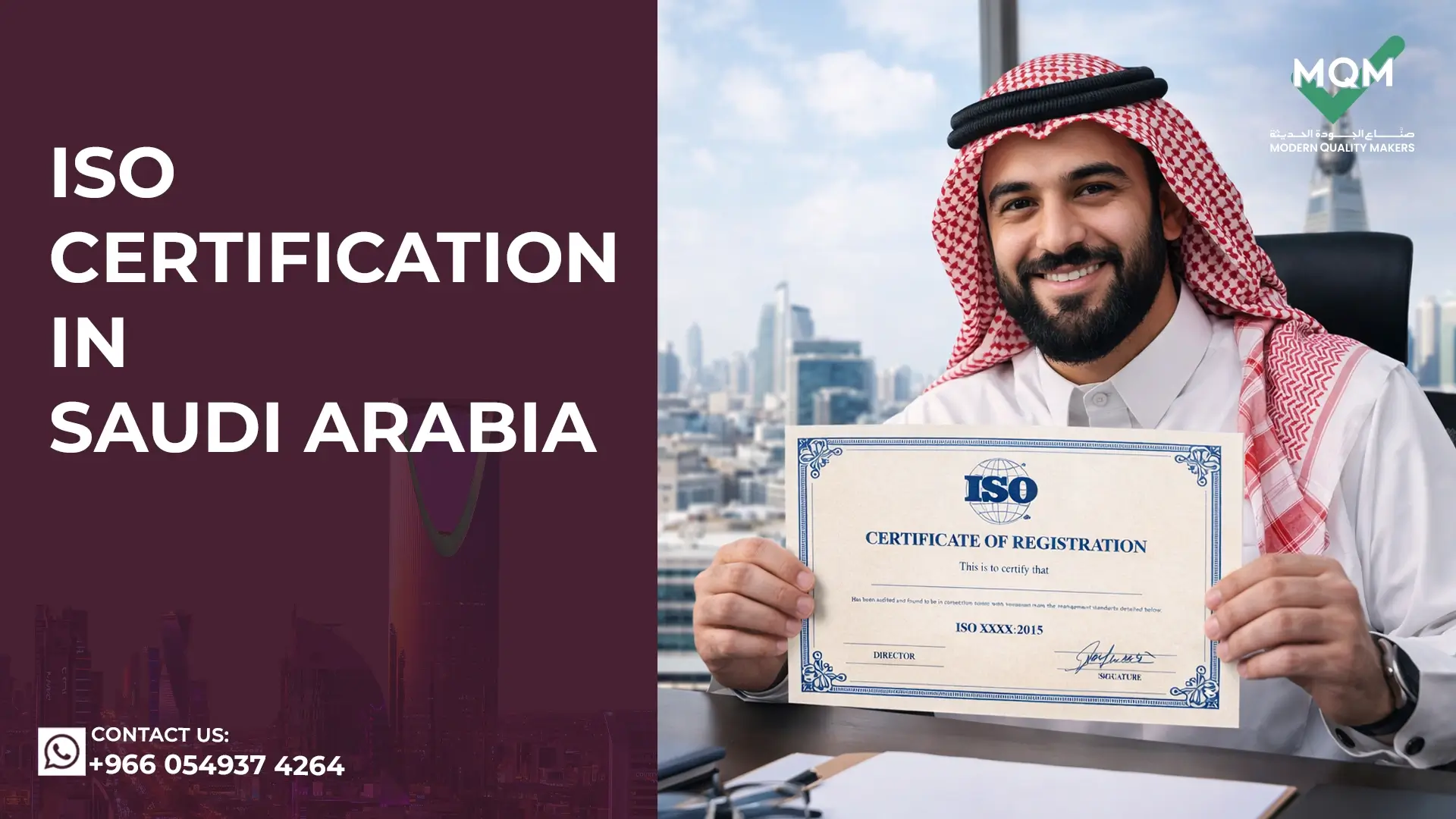
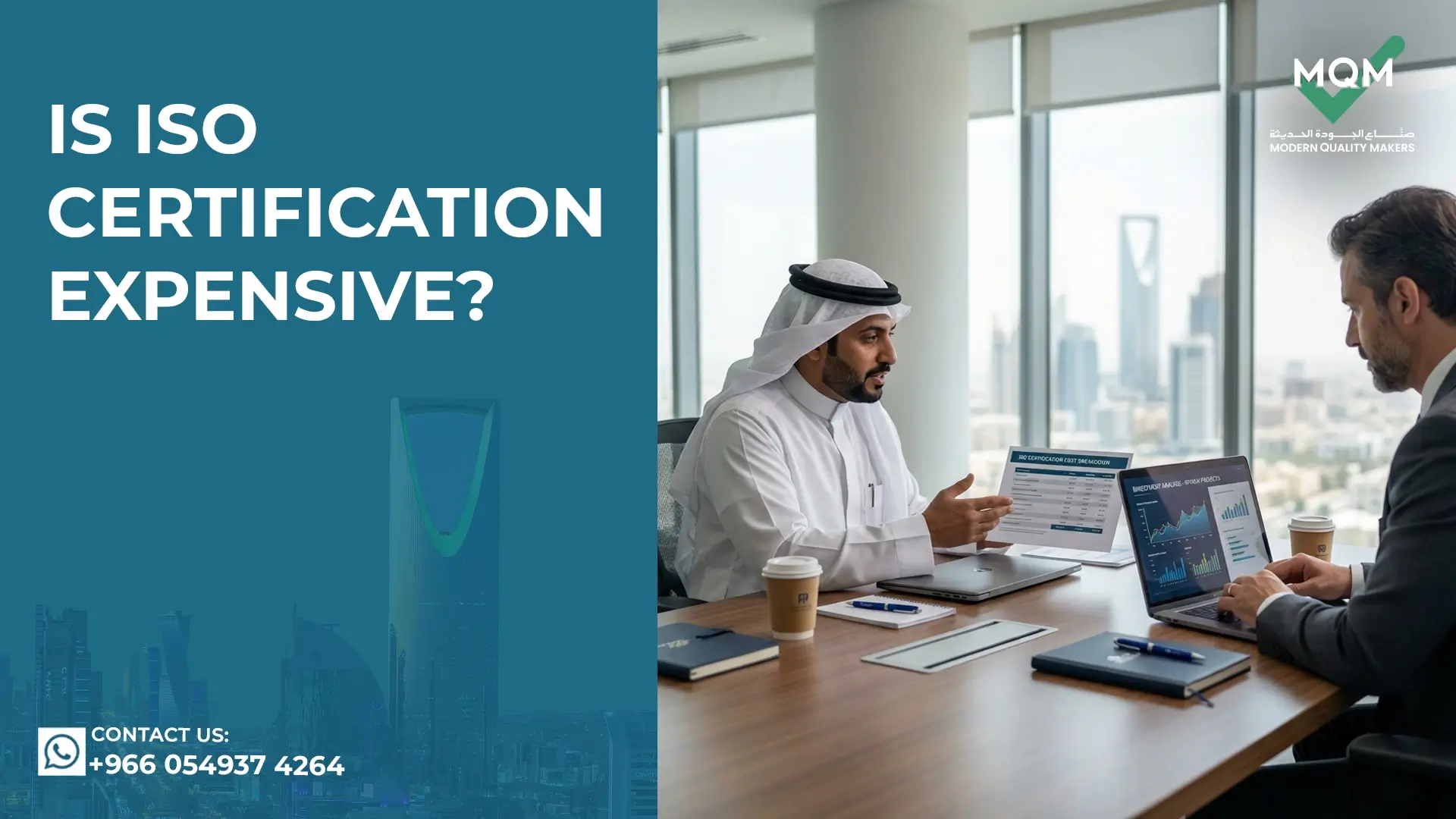
Is ISO certification expensive? This is a question frequently asked by business owners and entrepreneurs considering developing their businesses according to international standards. In reality, the answer varies depending on the size of the company and the specific standard, but the most important thing is understanding the value the certification offers. In this context, we will explore later what are the most significant factors influencing this cost and how to determine the average cost also in detail.
why iso certification is required
Quality is no longer an option but a necessity for all types of business. This is where the importance of ISO certifications comes in as global standards that help companies achieve excellence, since obtaining an ISO certification is not limited to compliance only, but also contributes to the overall development of institutional performance, as follows:
Quality Improvement
ISO standards help companies organize their operations systematically, reducing errors and increasing the quality of products and services. This leads to better value for customers and greater customer satisfaction, which directly impacts the company’s reputation and market growth.
Increased Customer Confidence
When a company obtains ISO certification, it sends a clear message to customers that it is committed to the highest quality standards. This undoubtedly boosts trust and increases opportunities for new contracts, both locally and internationally.
Enhancing Operational Efficiency
ISO standards contribute to improved resource utilization and reduced waste within organizations. They also help streamline processes and define responsibilities, leading to increased productivity and improved overall performance.
Supporting Market Expansion
Many companies and government agencies require ISO certifications to deal with suppliers. Therefore, obtaining certification opens new doors for expansion and participation in larger projects.
Risk Reduction
Modern ISO standards rely on risk management, helping companies anticipate problems before they occur and take appropriate measures to avoid them.
Ensuring Compliance
Implementing ISO standards ensures that an organization complies with all relevant laws and regulations, whether related to quality, employee safety, information security, or other areas.
Achieving Continuous Improvement
ISO embraces the concept of continuous improvement, where performance is evaluated periodically, and processes are improved, ensuring sustained success.
Explore more: What is the Criteria for ISO Certification?
How many types of iso standards are there
The International Organization for Standardization (ISO) has issued more than 25,000 international standards covering various fields, and these are constantly updated to keep pace with global developments. These standards include many important types that serve different sectors:
- ISO 9001 Quality Management System, which focuses on improving process quality and increasing customer satisfaction.
- ISO 14001 is an environmental management standard designed to help organizations reduce their environmental impact and achieve sustainability.
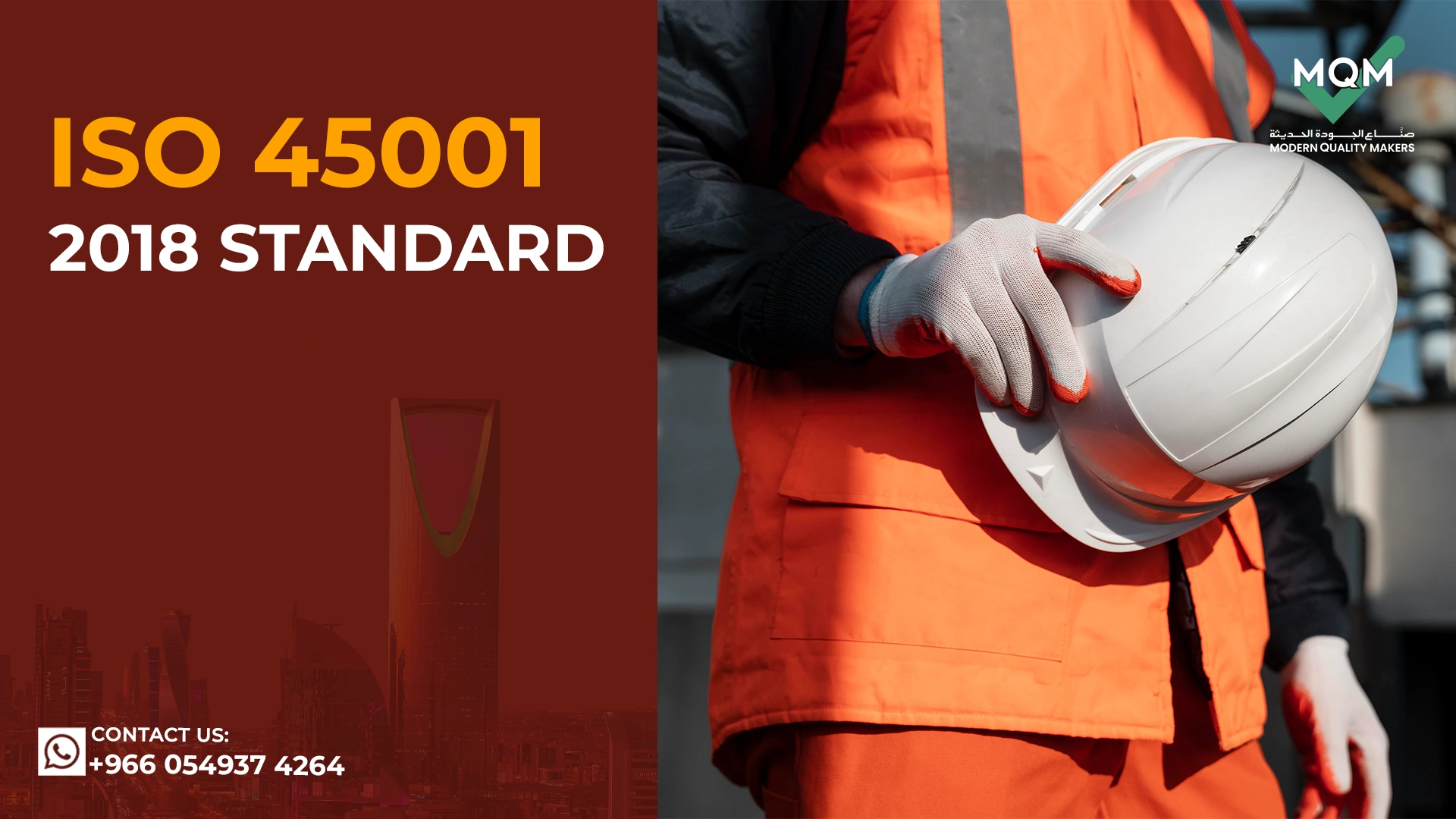
- ISO 45001 is an occupational health and safety management standard designed to protect employees and reduce workplace accidents.
- ISO 27001 is the standard for information security management, focusing on protecting sensitive data and information within an organization.
- ISO 22000 standard for food safety management, ensuring food safety throughout the production process.
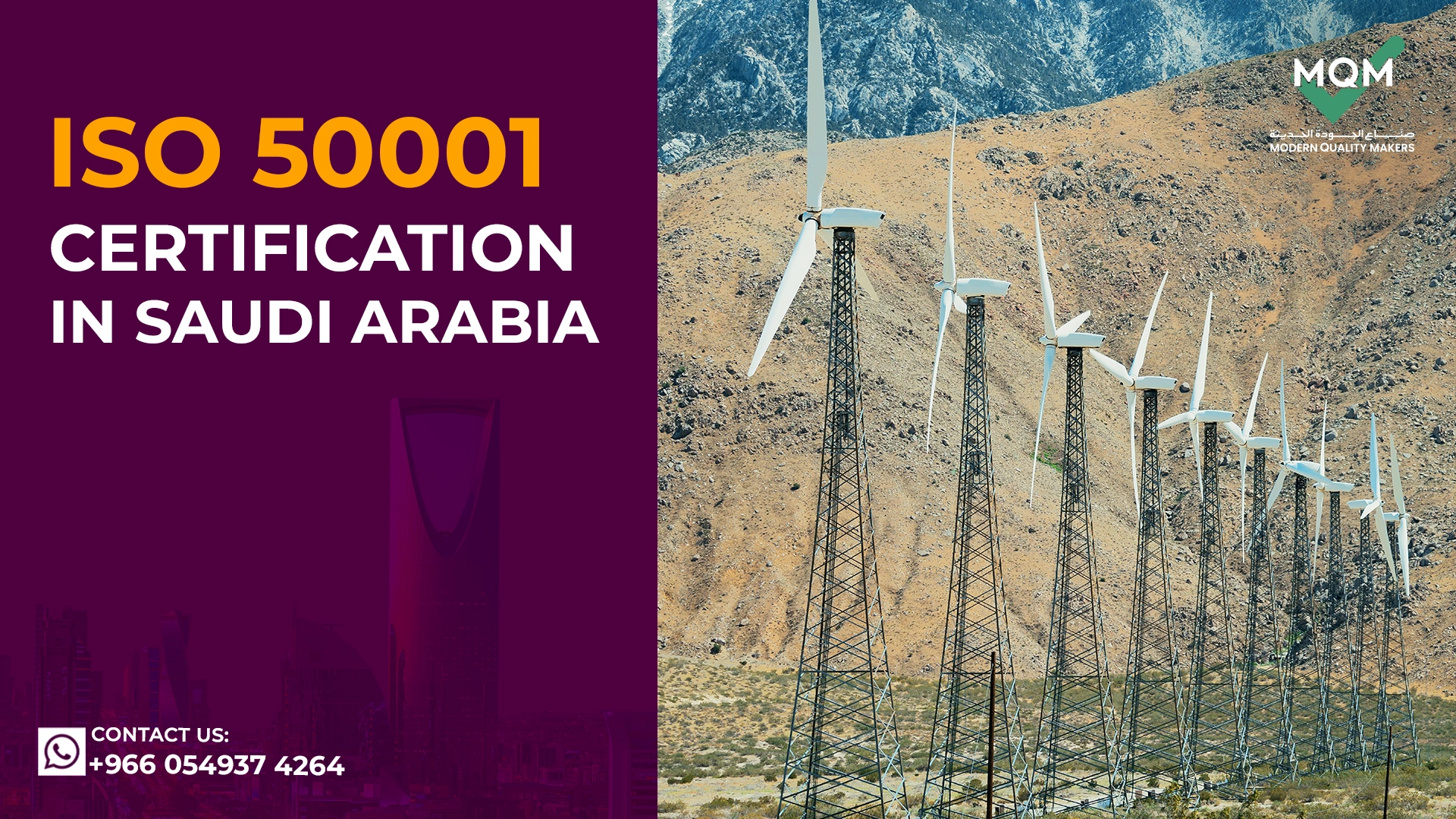
- ISO 50001 standard for energy management, helping companies improve energy efficiency and reduce costs.
Is ISO certification expensive?
When thinking deeply about the question: Is ISO certification expensive?, we find that the benefits that companies gain from implementing ISO standards far outweigh the financial cost. ISO certification, when applied professionally and efficiently, helps improve performance, reduce operational costs, and increase profits in the long term. From this perspective, experts believe that ISO can be considered a smart investment that achieves a sustainable return, and not just an additional cost to the company.
How much does ISO certification really cost?
In the light of answering the question Is ISO certification expensive; the cost of obtaining ISO certification varies from company to company, depending on several key factors that determine the final price. These factors include:
- Company size, number of branches or locations, and number of employees
- Type of ISO standard to be implemented, scope of ISO system application within the organization
- The company’s level of readiness before implementation, and the extent of requirements needed to meet the criteria.
- Costs related to consulting, qualification, certification body fees, and external auditing.
- In addition to certification issuance and annual renewal fees.
ISO certification cost for small business, medium and large companies
On average, the cost for small businesses typically ranges from SAR 15,000 to SAR 40,000, while for medium-sized businesses it can reach SAR 50,000 or SAR 80,000. Large or multi-branch companies, however, may incur costs exceeding SAR 100,000 due to the complexity of their operations and the increased auditing and qualification requirements.
Explore More: What documents required for ISO certification?
How to apply ISO standards at the lowest possible cost in ksa with MQM
Modern Quality Makers (MQM) provides professional solutions that help companies in Saudi Arabia implement ISO standards at the lowest possible cost without affecting quality. The MQM team relies on a thorough study of each organization to identify only the essential requirements, thus preventing any unnecessary or excessive costs.
MQM begins by analyzing gaps and assessing company readiness, then prepares an integrated system that includes the necessary documentation and procedures, with employee training to ensure actual implementation. The company also provides full support throughout all audit stages until certification is obtained on the first attempt.
MQM’s role does not stop there, but continues after obtaining the certification through continuous follow-up and development, helping companies to maintain compliance and make the most of applying ISO standards.
FAQs about Is ISO certification expensive?
How much is an ISO certificate?
The cost varies according to the size of the company and the type of standard. However, it ranges from 20,000 to 100 riyals, depending on the scope of application.
Is ISO certification worth it?
Certainly, because it improves the quality of work, increases customer confidence, reduces losses, and gives the company a strong competitive advantage in the long run.
Is obtaining ISO 9001 certification difficult?
It’s not difficult if the system is implemented correctly, especially with a consulting firm, like MQM, that can assist with qualification and preparation for the audit.
How long is an ISO certificate valid for?
ISO certificates are valid for 3 years from the date of accreditation and issuance, with the requirement of annual auditing of the standard throughout the certificate’s validity period.