
Climate change is truly a warning bell that threatens environmental safety and portends numerous natural disasters. Therefore, the primary concern here is the existence of ecosystems that help control this problem, hence the development of the ISO 14001 Climate Change Amendment.
What is the meaning of climate change?
Climate change means long-term changes in global temperatures and weather patterns, which affect the environment and life systems in general. These changes are caused by human activities, such as burning fossil fuels and deforestation, leading to increased greenhouse gases in the atmosphere and exacerbating the greenhouse effect, leading to sharp climate fluctuations and rising sea levels.
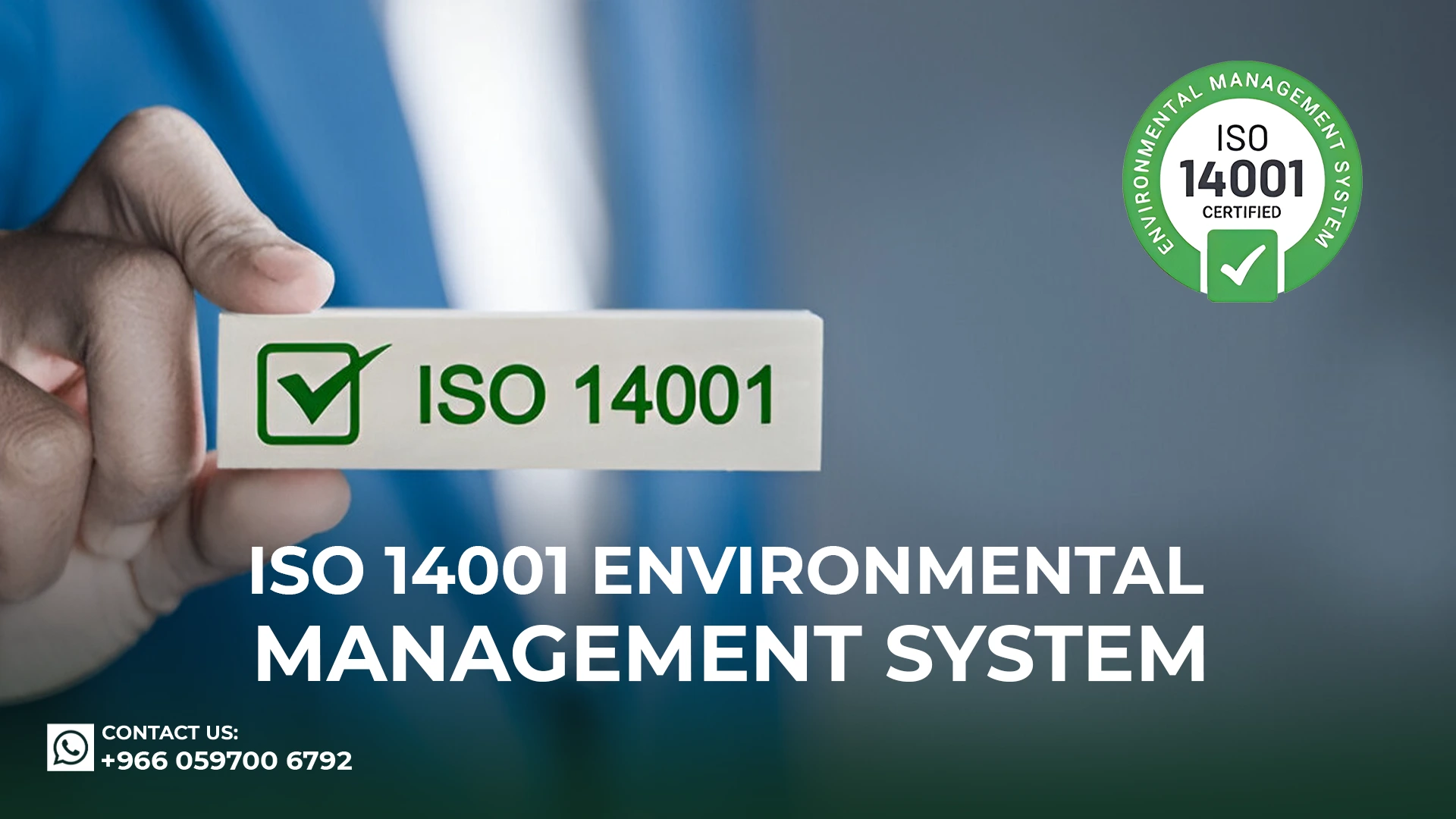
What is ISO 14001?
ISO 14001 is an international standard issued by the International Organization for Standardization (ISO) to define the requirements for an environmental management system within organizations, with the aim of improving environmental performance and reducing negative impacts on the environment. This standard helps organizations identify environmental risks, comply with relevant legal regulations, better manage resources, and support environmental sustainability.
In particular, it provides a systematic framework for reducing pollution, minimizing waste, and improving efficiency in the use of energy and materials.
Why companies must implement the ISO 14001 standard
Implementing the ISO 14001 standard has become a strategic necessity for companies seeking to achieve better environmental performance and ensure business sustainability.
Furthermore, understanding the issue of climate change and its impact on operations has become an important part of environmental management, and this awareness must be integrated into modern environmental management systems in any successful organization. Its most important benefits also come as follows:
Legal compliance and avoidance of penalties
ISO 14001 helps companies comply with mandatory local and international environmental regulations and laws, reducing legal risks and fines.
Achieving optimal environmental performance
This standard enables companies to understand the impact of their activities on the environment and reduce negative impacts such as carbon footprint, harmful emissions, and waste.
Increased resource efficiency and reduced costs
By improving the use of energy, water, and raw materials, and by reducing overall material consumption, operating costs decrease and work efficiency improves.
Building Trust with Customers and Investors
The organization’s attainment of ISO 14001 certification reflects its commitment to sustainability and environmental protection, which in turn enhances its reputation and the trust of customers, investors, and all stakeholders.
Continuous Improvement of Environmental Performance
Adopting a continuous improvement approach helps companies constantly develop their environmental systems while also ensuring sustainable development.
Explore More: ISO 14001 certification benefits
What are the Climate Action Changes Amendment in ISO Standards?
Climate change considerations have been introduced as a new addition to 31 existing management system standards, as part of ISO’s commitment to supporting climate action.
These standards include some of the most well-known ISO specifications, such as ISO 9001, ISO 14001, ISO 22000, ISO 22301, ISO 27001, ISO 45001, and ISO 50001, except for ISO 13485.
It is worth noting that this amendment, in a standardized format for all these standards, consists of only two sentences. The first sentence was added to the end of sub-clause 4.1, and states that organizations must assess the extent to which climate change is related to their activities and operations.
The second sentence came as a note at the end of sub-clause 4.2, and it indicates that stakeholders and interested parties may have requirements related to climate change and that the organization must comply with them.
What is the ISO 14001 Climate Change Amendment?
In February 2024, the International Organization for Standardization (ISO) published a new amendment to ISO 14001 entitled Amendment 1: Climate action changes.
This amendment added explicit requirements related to climate change within the standard for environmental management in organizations, emphasizing that attention to the risks and opportunities of climate change is now an integral part of sound environmental management, as follows:
Understanding the context of the organization
Organizations are now required to determine whether climate change is a relevant issue to their ecosystem and operations, including assessing the risks and opportunities associated with this matter as part of the procedures for meeting the standard’s requirements.
Understanding the needs and expectations of interested parties
ISO 14001 Climate Change Amendment adds a note stating that stakeholders may have climate change-related requirements, such as investors, regulators, or the community, and these must be included in the organizational needs analysis to meet all the standard’s requirements.
How to apply the ISO 14001 Climate Change Amendment easily with MQM in KSA
Modern Quality Makers (MQM) in Saudi Arabia assists companies across all fields and sectors in qualifying their environmental management systems and implementing the latest version of ISO 14001, including climate change adaptation requirements, practically and professionally.
MQM relies on a team of senior ISO experts to provide specialized consulting, gap analysis, documentation preparation, guidance to internal teams, and alignment of processes with the standard’s requirements, ensuring the entire facility is ready to pass the external audit and obtain ISO 14001 certification from an accredited awarding body with confidence and ease.
We are proud to have helped the elite companies of the Kingdom of Saudi Arabia, from almost all fields of work, in both the public and private sectors, obtain all ISO certificates and implement any new amendments to the ISO specifications, such as the ISO 14001 Climate Change Amendment and others. We have honorable track records; however, you will find that our service prices are the best in the Saudi market.
FAQs about ISO 14001 Climate Change Amendment
What is the ISO 14001:2015 Amendment 2024?
It is a formal amendment that adds climate change considerations to the environmental management system, and requires organizations to assess the extent to which climate change is related to their activities and the needs of stakeholders.
What is the ISO 14001 2026 update?
A comprehensive update to the standard is expected, aiming to enhance sustainability and integrate climate issues more deeply, while improving the standard’s alignment with modern global environmental trends.
What is the ISO 14001 climate change clause?
It is an addition to items 4.1 and 4.2 that requires the organization to assess the impact of climate change on its context and the requirements of relevant stakeholders.