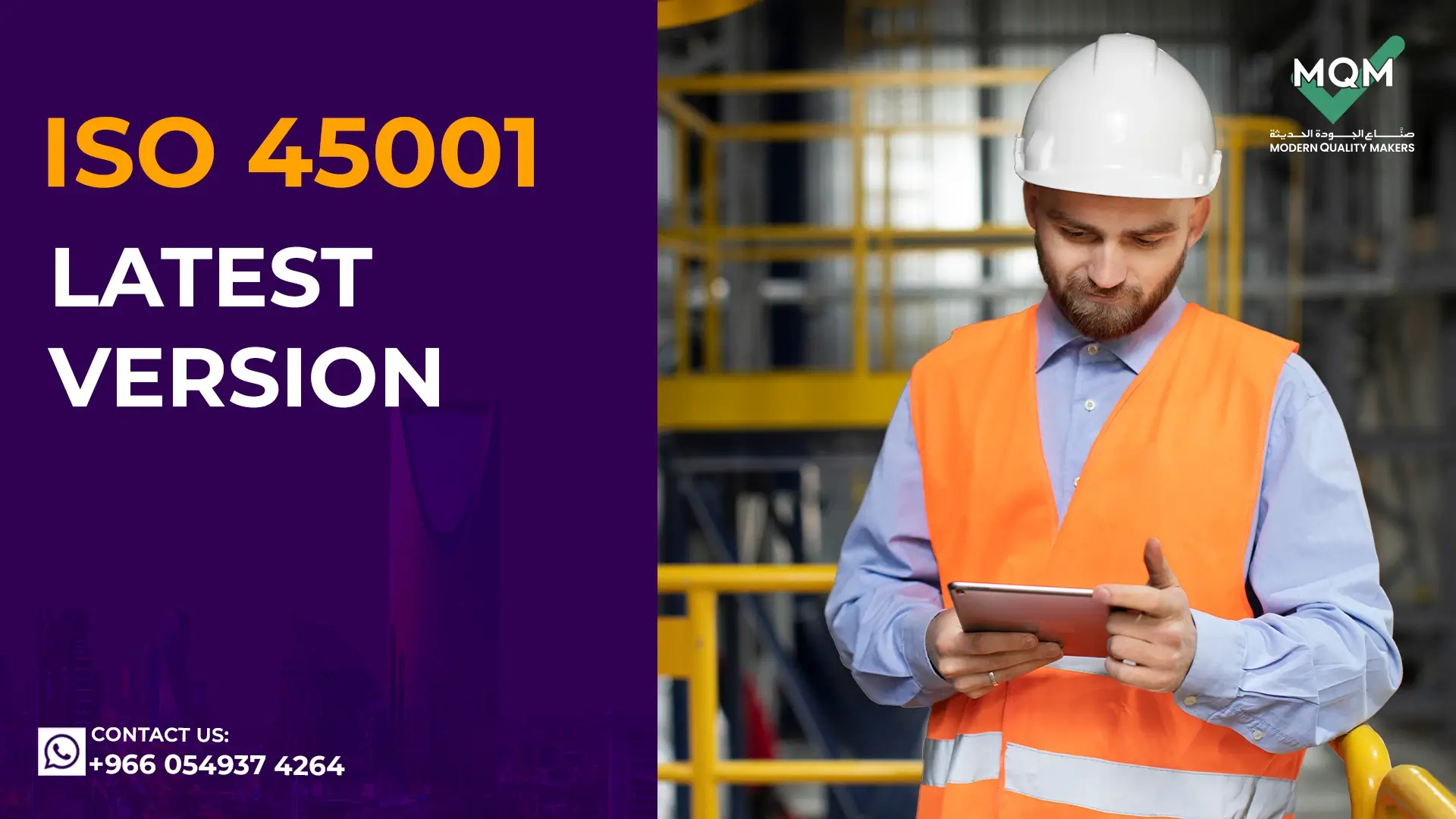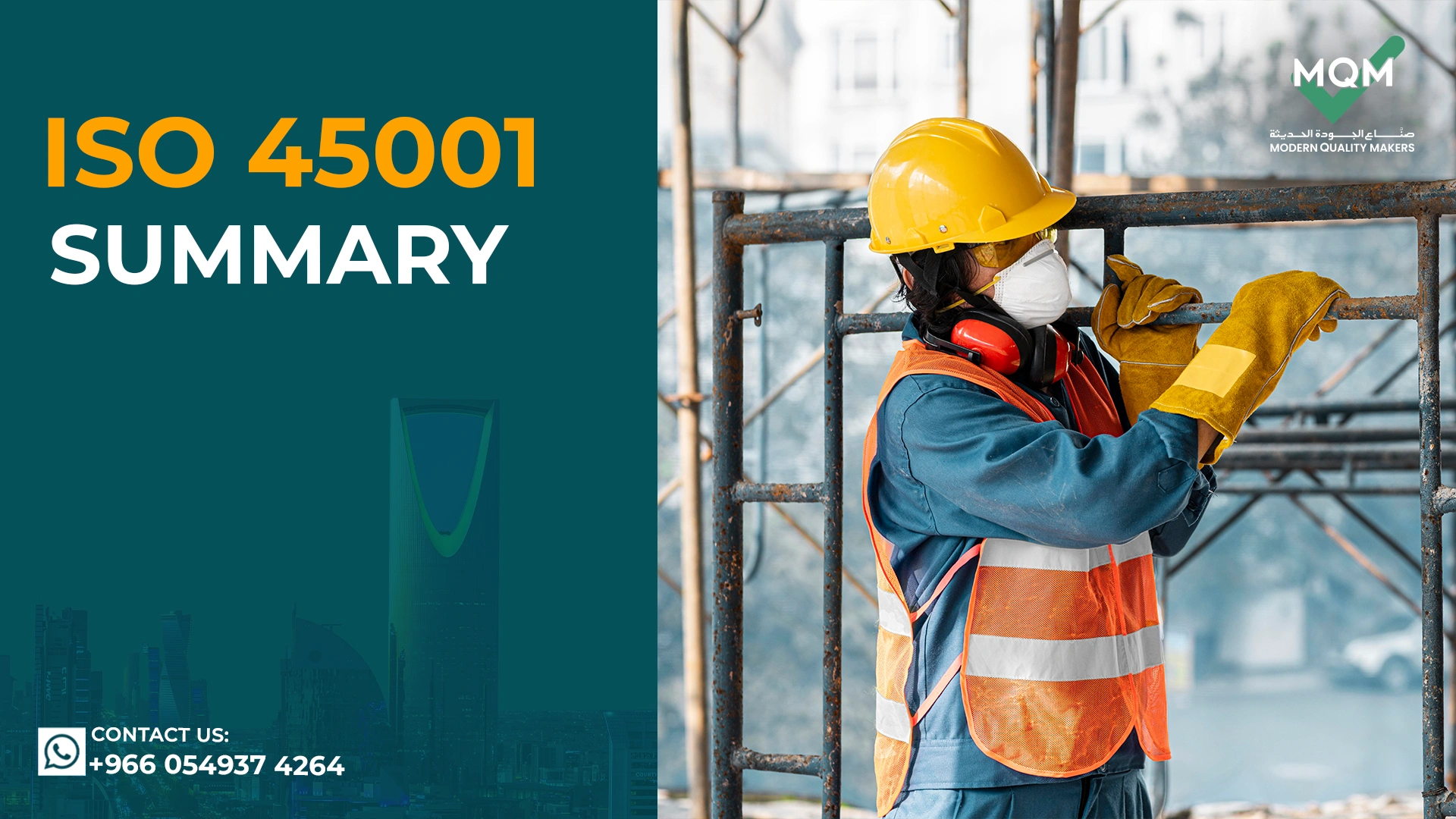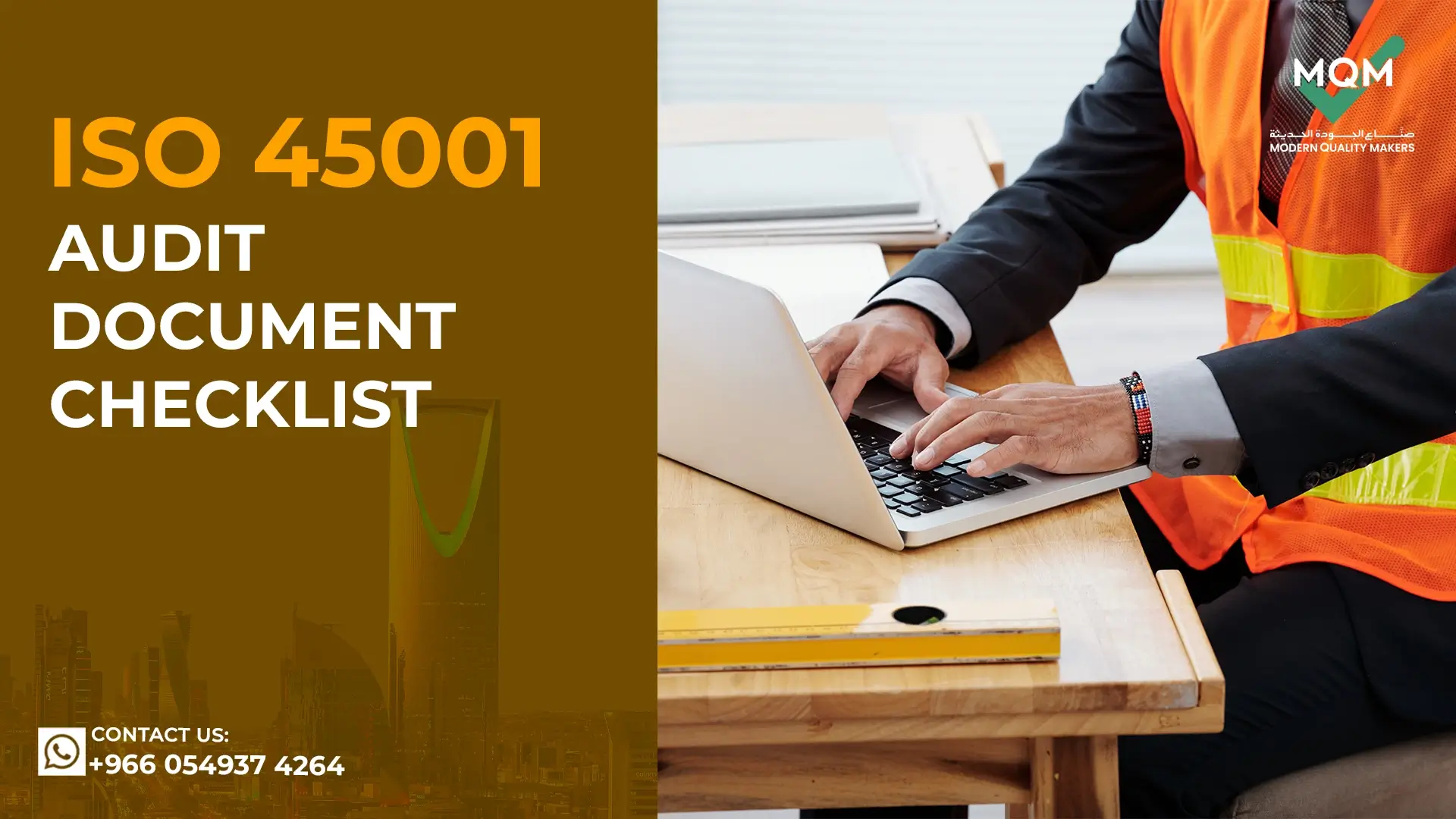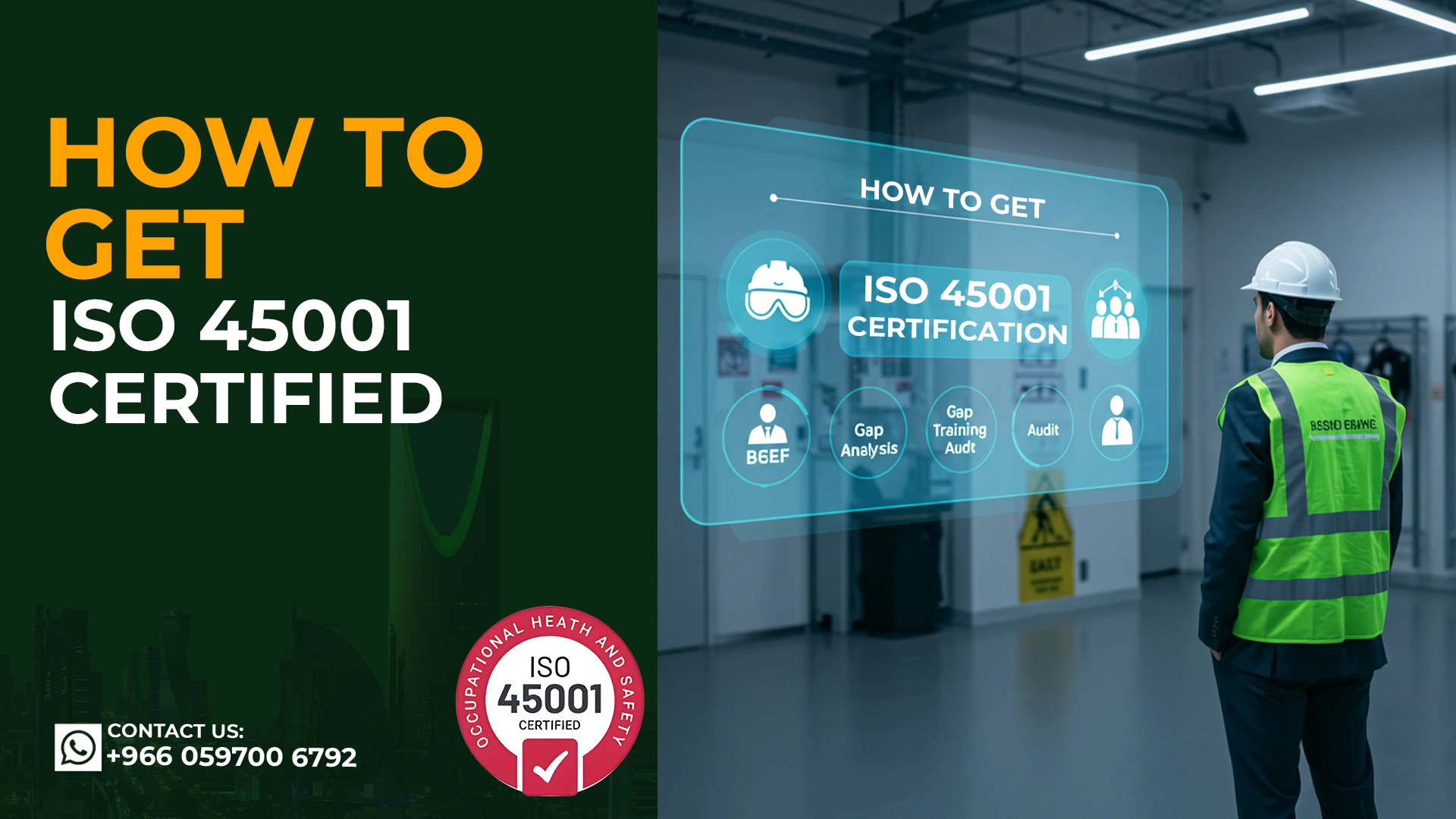
Occupational safety and health is no longer just a legal obligation, but has become a fundamental factor for the sustainability of companies and the protection of workers, especially with the increasing and diversification of occupational risks, uncovering the importance of implementing ISO 45001 clauses to help institutions build an integrated system for managing occupational safety and health that ensures the reduction of accidents, raises the efficiency of performance, and enhances the confidence of employees and stakeholders.
ISO 45001 explained
ISO 45001 is an international standard issued by the International Organization for Standardization for the implementation of effective occupational health and safety management systems, thereby helping organizations to provide a safe and healthy working environment and reduce occupational injuries and illnesses by identifying and controlling potential hazards before accidents occur.
Explore more: ISO 45001 Summary
Why must all companies obtain ISO 45001 certification?
Among the most prominent benefits of implementing ISO 45001 clauses in companies are the following:
Ensuring the safety and health of employees
ISO 45001 helps companies identify potential occupational hazards and implement effective controls to manage them, reducing workplace accidents and injuries in a safe working environment.
Reduce costs and losses
By preventing accidents and occupational diseases, and reducing the costs of compensation, treatment, and downtime.
Compliance with legislation and regulations
Implementing ISO 45001 clauses ensures compliance with local and international occupational health and safety laws and regulations, reducing legal risks and fines, and enhancing the company’s reputation with regulators and customers.
Improving operational efficiency
Safe working environments certainly mean more efficient operations, and ISO 45001 plays a pivotal role in regulating procedures, improving internal communication, optimizing consumption, and reducing waste, thereby increasing operational efficiency and productivity.
Enhancing customer and stakeholder trust
Obtaining ISO 45001 certification reflects the company’s commitment to the health and safety of its employees, enhances the confidence of customers, investors, and partners, besides grants companies a strong competitive advantage in major tenders and contracts.
Undoubtedly, maximizing the benefits of ISO 45001 requires the professional and accurate application of the system, and this can only be achieved by cooperating with a successful and specialized company such as Modern Quality Makers for ISO Consulting in Saudi Arabia.
Explore More: New ISO Standard 2026: A Guide for Businesses in Saudi Arabia
ISO 45001 clauses
The ISO 45001 standard is based on key clauses that form the general framework for occupational health and safety management systems. Clauses 1 to 3 are definitional, while clauses 4 to 10 represent the main requirements of the standard, as follows:
Clause 4: Context of the Organization
Understanding the organization’s internal and external context and identifying factors that may influence the occupational health and safety system. This includes identifying the needs and expectations of stakeholders such as employees, regulators, and contractors, as well as clearly and precisely defining the scope of the system.
Clause 5: Leadership
Emphasis on the role of senior leadership in supporting the implementation of the occupational safety and health system by providing all types of necessary resources.
Clause 6: Planning
Identifying occupational health and safety risks and opportunities, assessing risks, and setting measurable goals and effective strategies to avoid all potential hazards.
Clause 7: Support
Providing the necessary resources for system implementation, including human resources, training, competence, and awareness, while ensuring effective communication within the organization regarding occupational safety and health requirements.
Clause 8: Organizational operations
Explain how to control operational processes related to occupational hazards, such as establishing safe operating procedures, preparing for emergencies, and responding to incidents to minimize their impact on employees and the facility.
Clause 9: Performance evaluation
Monitoring and measuring the performance of the occupational health and safety system through observation, measurement, analysis, evaluation, and regular internal audits.
Clause 10: Ongoing improvement
Focuses on the continuous pursuit of improvement in the occupational safety and health system to raise performance levels and reduce risks sustainably.
Explore More: is ISO 45001 Mandatory?
How much does ISO certification cost for small businesses in Saudi Arabia?
The cost of obtaining ISO certifications in Saudi Arabia, such as ISO 45001 or others, depends on several factors, including the size of the company, the number of employees, the scope of activities, and the complexity of the management system being implemented. However, in general, the cost ranges from 20,000 to 70,000 Saudi Riyals for small and medium-sized enterprises, and may increase for large multi-branch organizations due to the extensive auditing and greater documentation requirements.
Please note, the total cost of ISO certification typically includes consultancy fees, implementation requirements for the occupational health and safety management system, external audit and evaluation costs by the certifying body, certification fees, and subsequent system development and updating costs.
How does MQM help companies understand and professionally apply the ISO 45001 clauses?
Modern Quality Makers (MQM) in Saudi Arabia, as a leading and professional company in the field of ISO qualification for companies, plays a pivotal role in helping companies understand the ISO 45001 clauses and apply them practically and professionally.
The most important services of MQM are to analyze the company’s current situation and identify gaps compared to the standard’s requirements, then provide a clear plan for implementing the system, while supporting organizations in preparing policies and procedures, documentation, and building an integrated occupational health and safety management system that is compatible with the processes and with ISO 45001 at the same time.
Thanks to its extensive experience, MQM helps companies achieve compliance, reduce risks, and build a safe working environment that promotes sustainability and long-term success, while also ensuring ISO 45001 certification in less time and on the first try.
FAQs about ISO 45001 Clauses
1. What is the Clause 7.2 of ISO 45001?
Clause 7.2 concerns competence and obliges the organization to identify the competencies of employees that affect occupational health and safety and to provide appropriate training and ensure its effectiveness.
2. What does ISO 45001 include?
The ISO 45001 standard includes a specific framework that helps companies implement an integrated occupational health and safety management system, focusing on identifying risks, reducing accidents, improving the work environment, complying with legal requirements, giving the organization a strong competitive advantage, and gaining the satisfaction of customers, partners, and stakeholders.
3. What are the 10 elements of ISO 45001?
The ISO 45001 standard consists of 10 main items, including scope, references, terminology, organizational context, leadership, planning, support, operation, performance evaluation, and ongoing improvement.