

ISO 45001 is one of the most important international standards related to the application of occupational health and safety management systems, as it aims to protect workers and reduce the risks of occupational injuries and diseases within the workplace, with many benefits for all organizations. In this context, we will later learn about the ISO 45001 summary and more information about this standard in detail.
ISO 45001 summary
ISO 45001 is an international standard issued by the International Organization for Standardization to define the requirements for an occupational health and safety management system. It focuses on identifying occupational hazards, assessing them, and establishing effective controls to reduce them, especially since it aims primarily to reduce accidents, improve employee well-being, and build a culture of safety within organizations.
This ISO 45001 standard also relies on a High-Level Structure (HLS), which facilitates its integration with other standards such as ISO 9001 and ISO 14001.
ISO 45001 clauses
The ISO 45001 summary includes a set of basic clauses that form the general framework for an occupational health and safety management system. The actual requirements begin with clause four and continue through clause ten, as follows:
Clause 4: Context of the Organization
It focuses on understanding the organization’s internal and external context, identifying factors that may affect the occupational health and safety system, such as identifying stakeholders like employees and contractors, and determining the scope of the ISO 45001 system in accordance with the nature of the organization’s activities and occupational risks.
Clause 5: Leadership
This clause emphasizes the role of senior leadership in supporting the occupational health and safety system, establishing clear policies, and providing the necessary resources. It also focuses on involving employees in risk identification and decision-making, thereby fostering a culture of safety and increasing adherence to ISO 45001 requirements.
Clause 6: Planning
It addresses how to identify occupational hazards and associated opportunities, assess risks, and set clear occupational health and safety goals while planning to address risks through actionable plans and measurable parameters.
Clause 7: Support
It focuses on providing the necessary human and technical resources to implement the system, while ensuring the efficiency of employees through training and awareness, and ensuring effective communication within the organization regarding occupational health and safety requirements.
Clause 8: Operation
It relates to implementing operational controls for risk management, including process control, change management, and emergency preparedness and response in a way that reduces risks and maintains employee safety.
Clause 9: Performance evaluation
This clause focuses on monitoring and measuring the performance of the occupational health and safety system through clear indicators to ensure the system’s effectiveness and the achievement of defined goals.
Clause 10: Ongoing improvement
The tenth and final clause focuses on continuous improvement, taking corrective actions, and preventing the recurrence of accidents to permanently raise the level of performance and promote a culture of prevention and occupational health within the organization.
Explore More: ISO 45001 Clauses List Explained | Complete Guide to ISO 45001:2018 Clauses
ISO 45001 requirements
Among the ISO 45001 summary, we can highlight the key requirements of this standard as follows:
- First, conduct a thorough study of the organization to identify and assess occupational hazards.
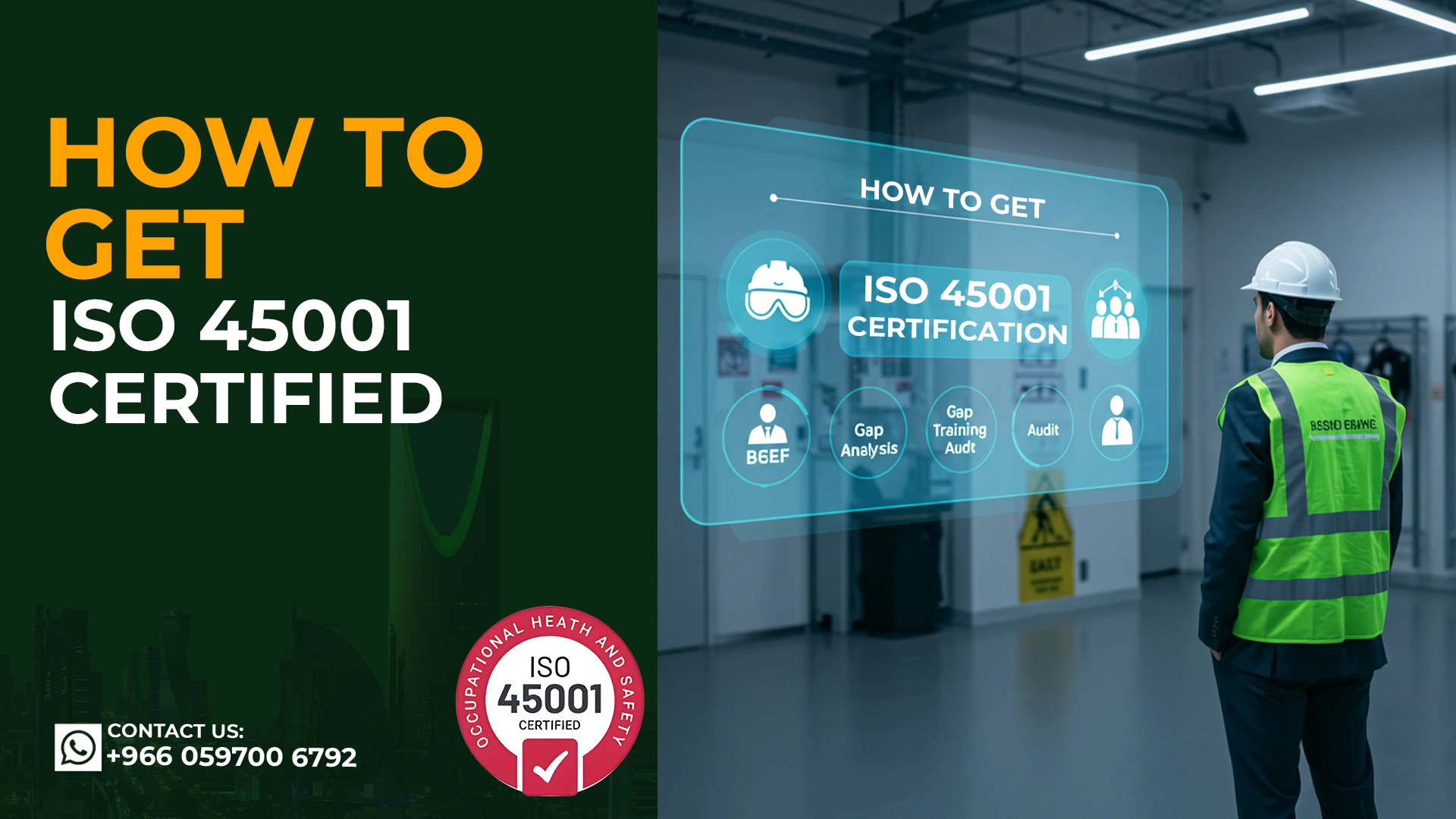
- Conduct a gap analysis to identify areas for improvement and requirements for implementing the standard, and determine the best approach for each occupational risk.
- Establish an ISO-compliant occupational health and safety management system that helps the organization adhere to local health and safety laws and regulations.
- Senior management must establish a clear occupational health and safety management policy and involve employees in applying the standard causes.
- Documentation is essential, along with conducting internal audits to ensure compliance with all standard requirements, and the need for continuous performance improvement and risk prevention.
- Finally, an external audit is conducted by an ISO certification body to obtain ISO 45001 certification.
Key Advantages of ISO 45001 for companies
Implementing ISO 45001 brings numerous strategic and operational benefits to organizations across various sectors and fields of work, and via this ISO 45001 summary, we can say that the most notable Advantages are:
Reducing workplace accidents
Understanding the ISO 45001 summary helps reduce occupational accidents and injuries by identifying hazards in advance and under effective controls, thus keeping workers safe and avoiding losses resulting from accidents.
Enhancing legal compliance
ISO 45001 ensures that companies completely adhere to local and international laws and regulations related to occupational health and safety, thus reducing legal risks and penalties.
Improving employee morale
When employees feel safe in the work environment, job satisfaction and belonging increase, which is reflected positively on productivity and job stability.
Boosting operational efficiency
The ISO 45001 Occupational Health and Safety Management System also helps streamline operations and minimize downtime caused by accidents or injuries, significantly improving operational efficiency.
strengthening corporate reputation
Obtaining ISO 45001 certification enhances the company’s image with customers, partners, and investors, besides giving it a strong competitive edge in both local and regional markets.
Explore More: is ISO 45001 Mandatory?
Understand and apply the ISO 45001 standard professionally with MQM in KSA
Modern Quality Makers (MQM) in Saudi Arabia is one of the leading companies specializing in providing ISO consulting services and qualifying companies to apply ISO standards, such as the ISO 45001 standard, professionally and confidently.
Thanks to its extensive experience in this field and its distinguished track record, MQM can support various organizations in analyzing occupational risks, building effective occupational health and safety management systems, and preparing them to pass external audits and accreditation reviews the first time.
We assure you that by cooperating with MQM, you will be able to effectively achieve ISO 45001 in the shortest possible time and at unbeatable prices.
FAQs about ISO 45001 summary
1. What is the summary of ISO 45001?
ISO 45001 is an international standard related to occupational health and safety systems to reduce risks, injuries, and diseases in the workplace.
2. What are the 7 elements of ISO 45001?
The core 7 elements of ISO 45001 include: organizational context, leadership, planning, support, operation, performance evaluation, and continuous improvement.
3. What is the ISO 45001 checklist?
The ISO 45001 checklist is a set of items and procedures used to ensure that an organization meets the requirements of the standard and is eligible for certification.