
Many business owners ask how many mandatory procedures in iso 9001:2015, especially companies seeking certification and professional implementation of the system, to understand the nature of the changes introduced by the 2015 version compared to previous versions. In this context, we will explain those steps and how they can be implemented, and the desired benefit achieved in detail.
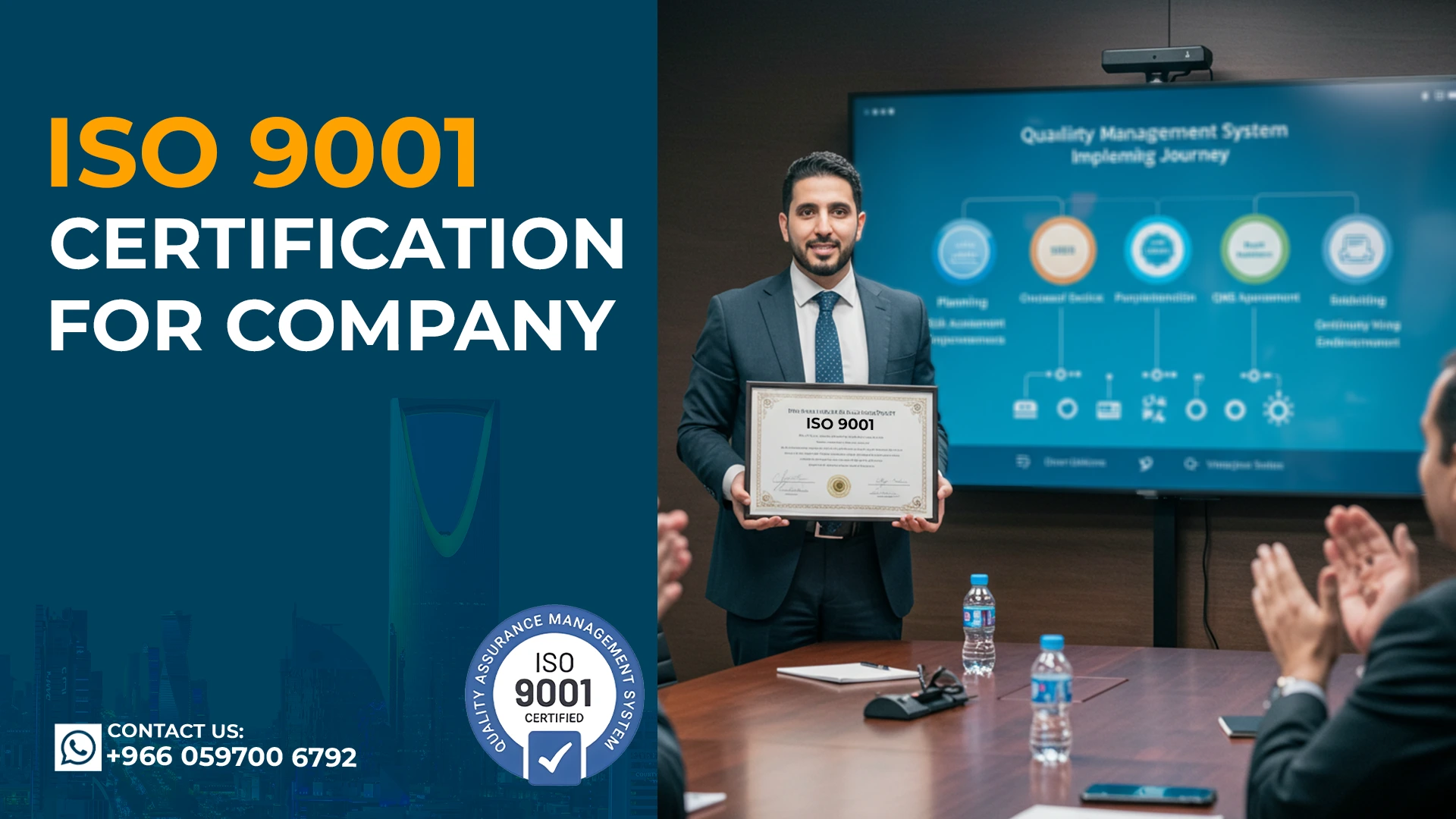
ISO 9001:2015 certification
ISO 9001:2015 certification is one of the most important international quality management certifications, as it reflects an organization’s commitment to implementing an integrated management system to improve processes and increase customer satisfaction. This standard is based on a set of principles, such as continuous improvement, risk management, and data-driven decision-making.
It also helps companies organize their operations professionally, enhancing operational efficiency and increasing their competitiveness in both local and global markets.
Explore More: ISO 9001 Clauses
How many mandatory procedures in iso 9001:2015
When answering the question “how many mandatory procedures in ISO 9001:2015?”, it is important to clarify that ISO 9001:2015 does not impose specific mandatory procedures as in previous versions; instead, it includes 7 main clauses relating to document and record requirements (documented information).
Clauses from four through ten, which contain the actual requirements that must be applied within the organization, include:
Clause 4: Context of the Organization
This section focuses on understanding the organization’s internal and external environment, identifying stakeholders and their needs, and clearly defining the scope of the quality management system.
Clause 5: Leadership
Emphasizes the role of senior management in supporting the quality system, establishing quality policies, assigning roles, and ensuring the integration of system requirements into the organization’s daily operations.
Clause 6: Planning
This section addresses identifying risks and opportunities, setting quality objectives, and planning for their achievement, with a focus on minimizing risks and maximizing opportunities.
Clause 7: Support
It focuses on the resources, expertise, training, awareness, communication, and management of documented information necessary to support the quality management system.
Clause 8: Operation
Deals with the execution of operational processes, from product or service design to delivery to the customer, ensuring quality control throughout all stages.
Clause 9: Performance Evaluation
CCovers monitoring and measuring performance, conducting internal audits, and management reviews to assess and ensure system effectiveness.
Clause 10: Improvement
This section focuses on continuous improvement, addressing non-conformities, and taking corrective actions to prevent the recurrence of problems and further enhance system effectiveness.
Therefore, our answer to the question of how many mandatory procedures in ISO 9001:2015 confirms that ISO 9001:2015 does not depend on a specific number of mandatory procedures, but rather on the application of an integrated system based on the implementation of these seven clauses and adherence to them.
Explore More: What does it mean if a company is ISO 9001 certified ?
Mandatory documents for ISO 9001:2015
Although the standard does not mandate specific procedures, it requires essential documented information to ensure the effectiveness of the quality management system and to demonstrate the organization’s compliance with the standard. Key among these are:
- Quality Policy
- Quality Objectives
- Scope of QMS
- Process Documentation
- Risk Assessment Records
- Internal Audit Reports
- Corrective Action Records
- Training and Competence Records
- Customer Feedback Records
Explore More: List of mandatory documents for ISO 9001
Why is iso 9001 certification important for businesses
ISO 9001 certification is one of the most important tools that helps companies achieve success and sustainability in a competitive business environment. It not only improves quality but also encompasses comprehensive organizational performance development, as follows:
Improving Quality
Implementing ISO 9001 helps companies streamline their processes and minimize errors, leading to the delivery of high-quality products and services that foster customer trust and loyalty.
Increased Customer Satisfaction
The standard focuses on understanding and meeting customer needs, helping companies deliver a superior customer experience that fosters long-term relationships.
Improved Operational Efficiency
The system streamlines processes and reduces waste, leading to increased productivity and optimal utilization of available resources within the organization.
Cost Reduction
One of the most prominent advantages of implementing the ISO 9001 Quality Management System in organizations is that it helps to rationalize consumption, reduce errors and waste, and thus enhance productivity while avoiding losses and consequently reducing costs.
Enhanced Competitiveness
Certified companies enjoy a strong competitive advantage, as they are perceived as more professional and committed to quality.
International and Governmental Cooperation
This standard enhances the organization’s chances of winning government tenders and establishing fruitful international collaborations.
Ensuring Legal Compliance
ISO certification reflects the organization’s commitment to laws and regulations related to quality standards and protects it from violations and fines.
Apply mandatory procedures in iso 9001:2015 professionally with MQM
Modern Quality Makers (MQM) offers comprehensive solutions to help companies in Saudi Arabia professionally implement ISO 9001:2015 requirements. MQM begins with a thorough analysis of the organization’s current situation and gaps, then designs an integrated quality management system tailored to the company’s specific needs.
Our company also prepares all necessary documentation and procedures and establishes a mechanism to facilitate the practical implementation of the system, ensuring full compliance with the standard’s requirements. Furthermore, MQM provides ongoing support throughout the internal and external audit phases, helping companies achieve certification on their first attempt at the lowest possible cost.
Thanks to its extensive experience, MQM ensures that all the necessary steps for implementing the ISO 9001 standard are carried out with high efficiency, helping organizations improve their performance, increase customer satisfaction, and sustainably enhance their market position.
Furthermore, all of our iso services for various business sectors and industries are offered at competitive prices.
FAQs about how many mandatory procedures in iso 9001:2015
How many clauses are there in the ISO 9001:2015 standard?
The ISO 9001:2015 standard consists of 10 main clauses, and the actual requirements start from item 4 to item 10.
What are the mandatory requirements of ISO 9001?
The mandatory requirements of the ISO 9001 standard include implementing a quality management system, identifying risks and opportunities, documenting information, conducting an internal audit, passing the final audit by the awarding body, and adhering to continuous improvement.
What are the 4 pillars of QMS?
The four main pillars of quality management in organizations include: planning, assurance, control, and continuous improvement.