In light of the global trend towards sustainability and improving resource efficiency, business owners are looking for the best internationally recognized standards that help them achieve this. Here, the important question arises: What is the difference between ISO 50001 and 14001? Both standards are among the most important ISO standards related to the environment and energy, and understanding the difference between them will help organizations to choose the most appropriate standard or apply them together to achieve the best results.
What is the difference between ISO 50001 and 14001?
The key difference between the two standards is that ISO 14001 focuses on environmental management holistically, while ISO 50001 specifically focuses on energy management and improving energy efficiency within an organization. While both aim to improve performance and reduce negative environmental impacts, as follows:
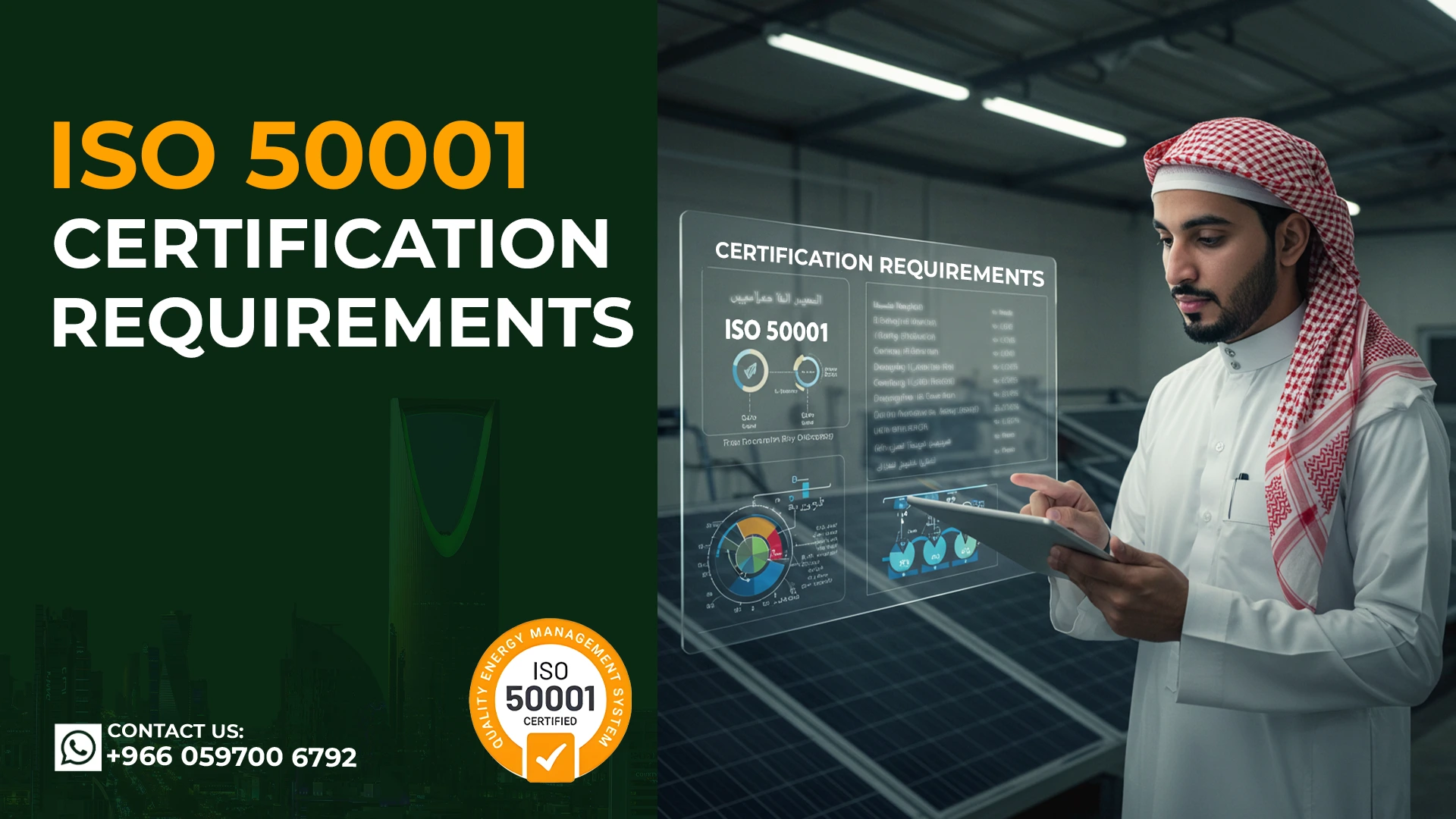
ISO 50001 energy management system standard
ISO 50001 is a specialized standard in energy management, helping organizations improve energy efficiency and reduce consumption and associated costs. This standard is based on analyzing energy consumption, identifying opportunities for improvement, and setting clear targets to reduce waste. It also helps reduce carbon emissions, making it a powerful tool for achieving sustainability and reducing operating costs at the same time.
Explore More: How to apply for ISO 14001?
ISO 14001 environmental management system standard
ISO 14001 focuses on managing the environmental impacts of all an organization’s activities, not just energy, helping companies reduce waste, manage natural resources, and comply with environmental legislation.
Also, it emphasizes an organization’s commitment to environmental responsibility and enhances its image with customers. This standard provides a comprehensive framework for achieving environmental sustainability across various sectors.
Why must companies implement ISO 50001?
With rising energy costs all over the world and increasing global focus on sustainability, implementing ISO 50001 has become a crucial strategic step for businesses, helping to:
- Reduce energy consumption and lower operating costs
- Improve resource efficiency within the organization
- Reduce carbon emissions and support sustainability
- Improve energy-related environmental performance
- Enhance compliance with energy management regulations and legislation
- Furthermore, gain the trust of stakeholders and increase market competitiveness
Explore More: ISO 50001 latest version
Why must companies implement ISO 14001?
ISO 14001 is one of the most important standards that helps organizations professionally manage their environmental impact and achieve sustainability through:
- Improving environmental performance and reducing pollution
- Complying with environmental laws and regulations
- Reducing waste and carbon footprint, along with optimizing resource consumption
- Enhancing the company’s reputation with customers, partners, and stakeholders
- Supporting sustainability and social responsibility goals
- Reducing potential environmental risks effectively.
Do companies need to apply both ISO 50001 and ISO 14001?
In many cases, understanding what is the difference between ISO 50001 and 14001 and applying both standards together is the best option, as they complement each other to achieve integrated environmental and energy performance via achieving comprehensive environmental and energy management simultaneously, further reducing costs through improved energy efficiency, enhancing sustainability and minimizing environmental impact, improving the company’s image and increasing customer trust, facilitating the integration of the two systems due to the similarity in administrative structure, and fully supporting compliance with international standards.
It is worth noting that the ISO experts at Modern Quality Makers can thoroughly analyze your organization and determine whether it has a greater need to implement ISO 14001, ISO 50001, or both.
How to implement ISO 50001 and 14001 Standards?
Some key, standardized steps are generally followed when applying ISO standards to ensure accuracy and compliance, including:
- Study and analyze the organization and understand the context, then define the scope of the system’s application and the organization’s environmental and energy objectives.
- Conduct a gap analysis to assess the organization’s current status and determine its readiness to implement ISO 14001 or ISO 50001 standards, identifying the requirements necessary to meet each standard.
- Implementing an energy or environmental management system tailored to the organization helps it achieve its goals and is compliant with the standard’s requirements, while clearly defining the necessary implementation policies and procedures.
- The system implementation will begin according to a phased schedule and must be carried out under the supervision and monitoring of senior management and ISO experts, while employees must be instructed on how to comply with the standard’s requirements.
- Ensure compliance with the system’s implementation within daily operations, conduct internal audits to verify readiness, and ensure there are no discrepancies between the system implemented within the organization and the ISO standard, and implement any necessary improvements immediately.
- Finally, coordination is made with an accredited ISO certification body to schedule an external audit to evaluate the ISO system in the organization and its conformity with the checklist and specification items, and then to approve granting the ISO certificate to the organization after successfully passing this audit.
Explore More: What is the Criteria for ISO Certification?
Understand what is the difference between ISO 50001 and 14001 with MQM Experts
Modern Quality Makers (MQM) in Saudi Arabia provides integrated consulting services to help companies from all sectors and disciplines understand and apply ISO standards with high professionalism to achieve the desired benefit, including ISO 14001 and ISO 50001. The MQM team is distinguished by its extensive experience in analyzing the needs of organizations and designing customized systems that achieve the best results and ensure compliance.
MQM also helps its clients understand what is the difference between ISO 50001 and 14001 practically, and then implement each standard to maximize benefits, whether in terms of cost reduction or improved environmental performance.
Moreover, our company provides comprehensive support to organizations, from initial assessments and gap analysis to developing and implementing the ISO system, preparing documentation, conducting external audits, and ultimately supporting the organization in passing the audit and obtaining certification, making MQM a reliable partner for any company striving for excellence and sustainability at the lowest possible cost.
FAQs about What is the difference between ISO 50001 and 14001
What are the key differences between ISO 14001 and ISO 50001?
ISO 14001 focuses on comprehensive environmental management and covers all environmental impacts, while ISO 50001 focuses on energy management and efficiency, specifically addressing energy consumption and reduction, and directly helps in lowering energy costs.
What is the main purpose of ISO 50001?
The ISO 50001 standard aims to improve energy efficiency within organizations, reduce consumption and costs, and lower carbon emissions.
Does ISO 14001 cover energy?
Yes, ISO 14001 includes energy management as part of the environmental aspects, but it does not focus on it in as much detail as ISO 50001.