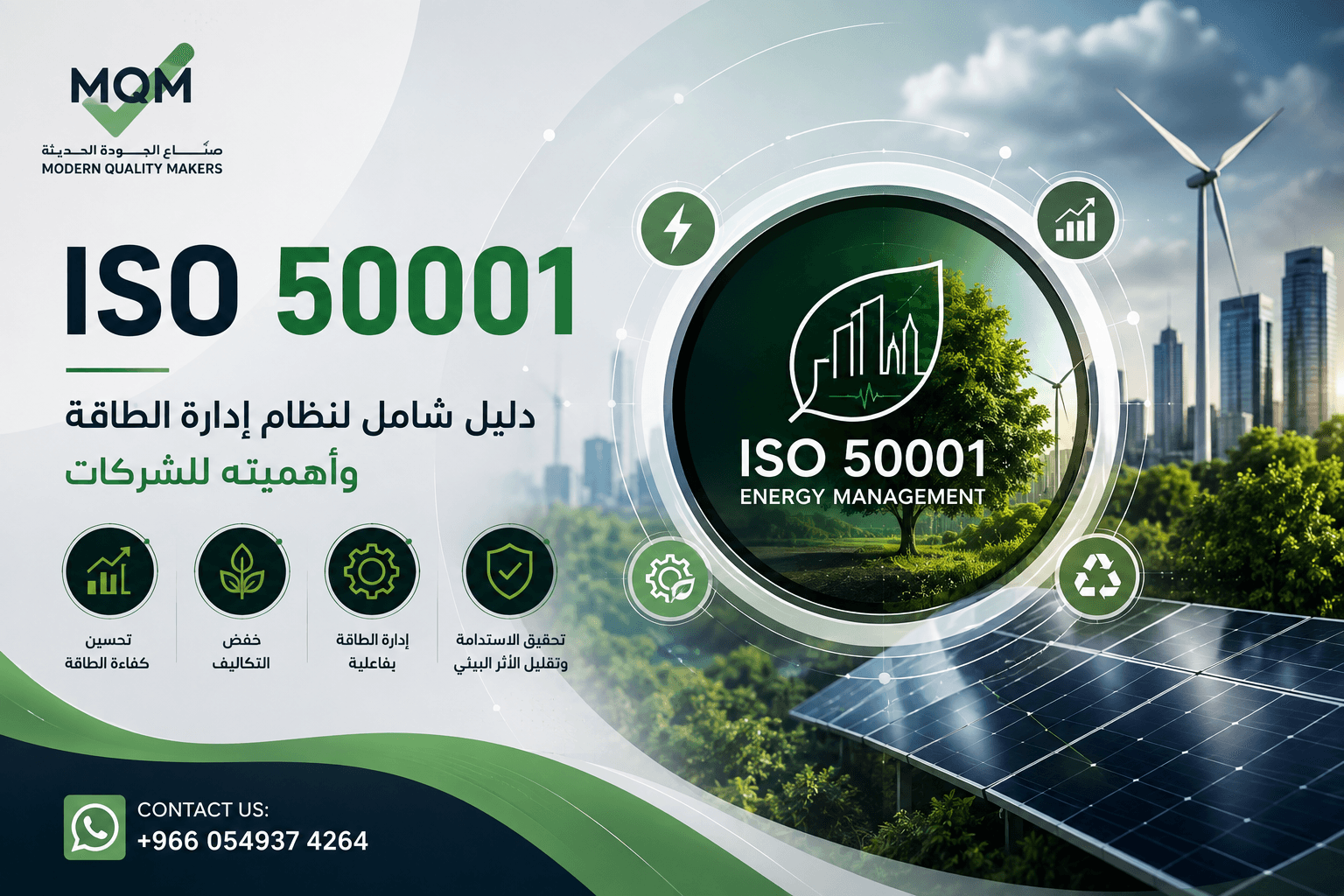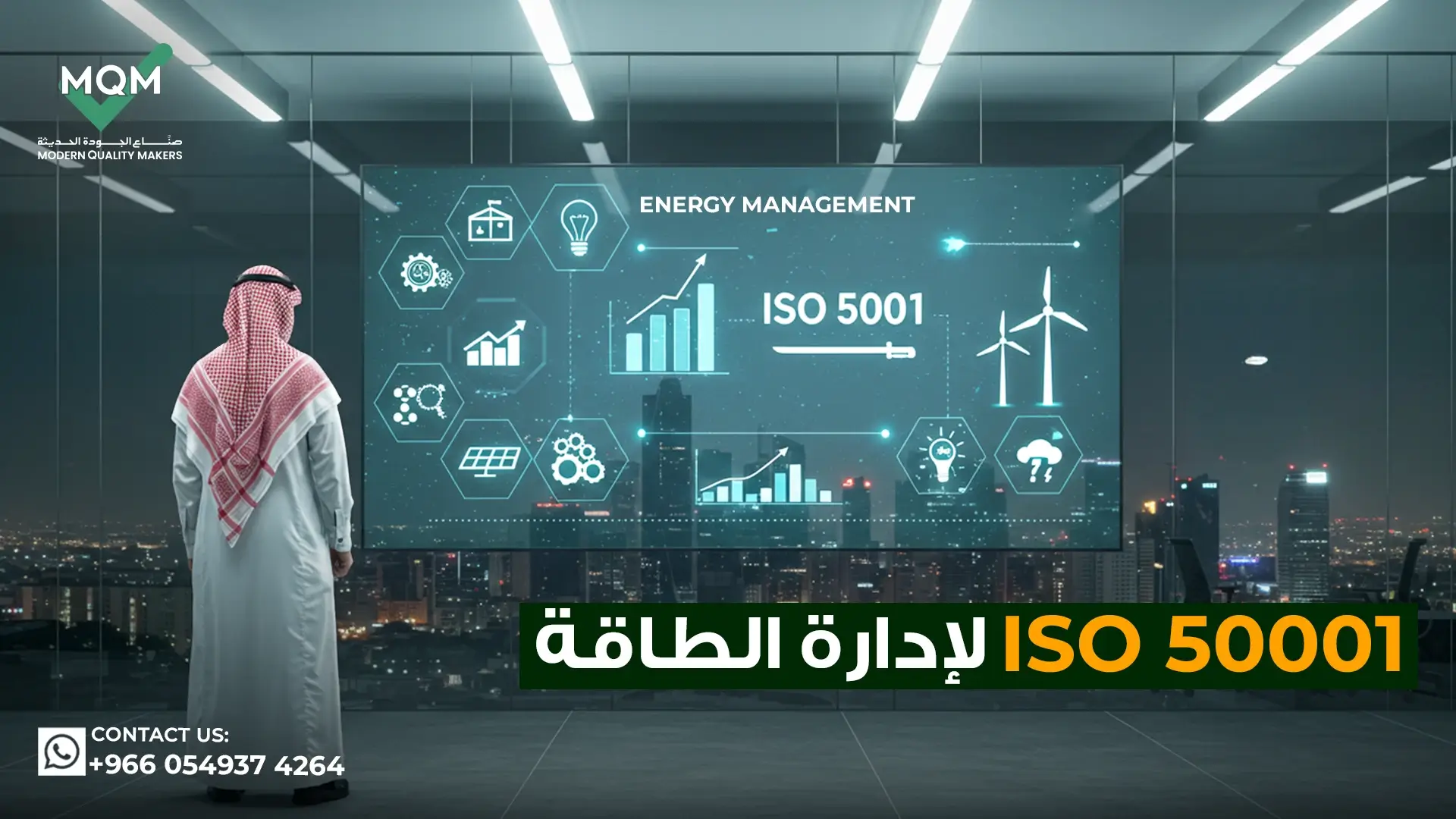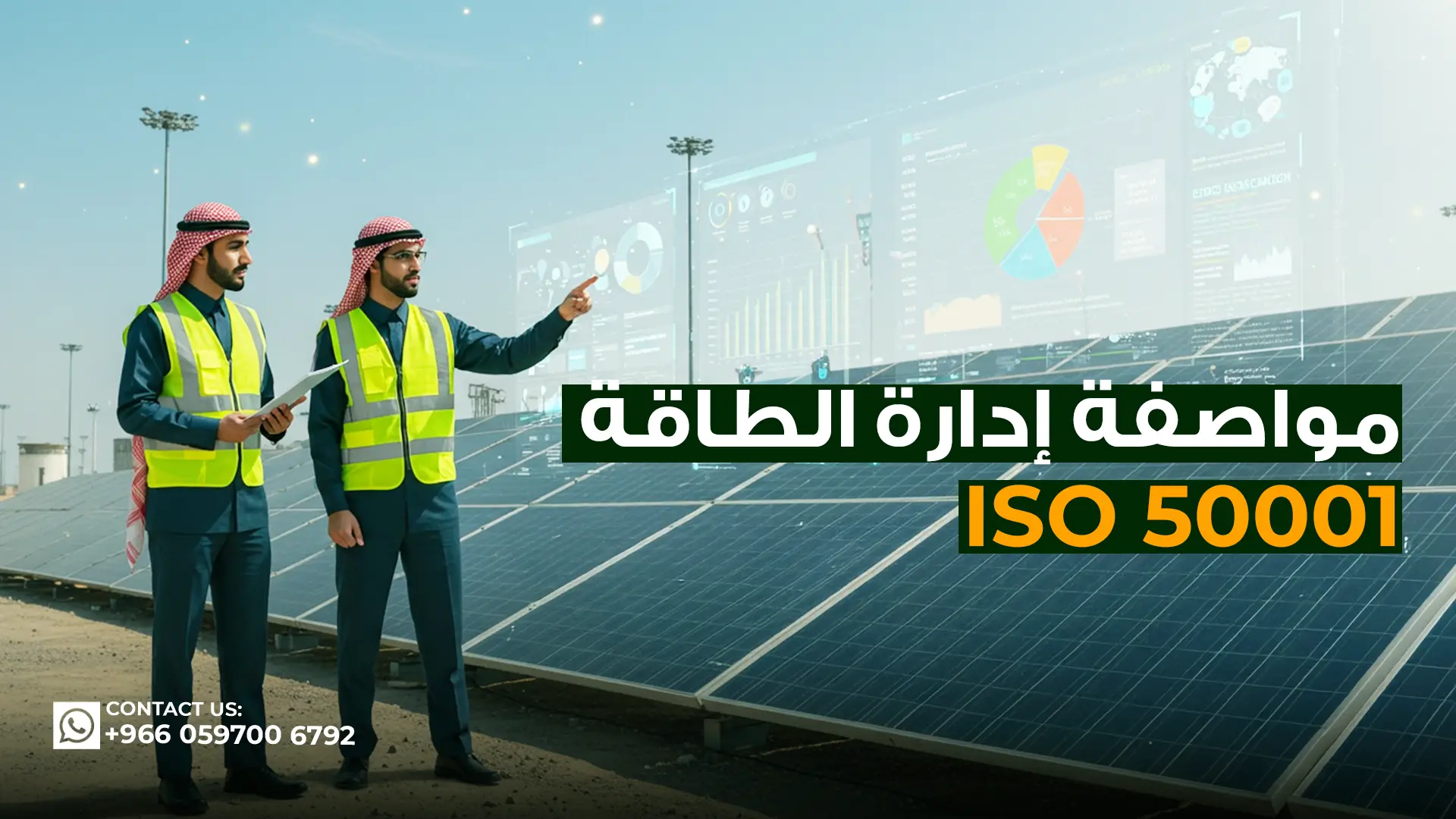

Managing energy consumption and improving energy efficiency have become important topics for organizations seeking to reduce costs, improve performance, and support sustainability goals. This is where ISO 50001 comes in. It is an international standard that provides a structured framework for establishing, implementing, maintaining, and improving an energy management system within an organization.
The ISO 50001 Energy Management System aims to help organizations improve energy performance, including energy efficiency and energy consumption, by relying on data, measuring performance, identifying improvement opportunities, and continuously monitoring results. The standard applies to organizations of different types and sizes.
In this guide, we explore the ISO 50001 standard, its objectives and key requirements, the steps for implementing it, its benefits, and the organizations that can obtain ISO 50001 certification.
What Is ISO 50001?
ISO 50001 is an international standard for an Energy Management System, providing a framework that helps organizations manage energy use and improve energy performance in a systematic and sustainable way.
The standard focuses on establishing a system through which an organization can understand how energy is used, measure performance, identify opportunities to improve energy efficiency, set objectives and improvement plans, monitor results, and then make the necessary improvements.
The ISO 50001 Energy Management System is based on a continuous improvement methodology, which makes it possible to integrate it with other management systems such as ISO 9001 and ISO 14001.
ISO 50001:2018 is the current edition of the standard, and in 2024, ISO issued an amendment related to climate change considerations within the standard.
What Does ISO Mean in Quality?
ISO refers to the International Organization for Standardization, an international organization that develops and publishes international standards in many fields.
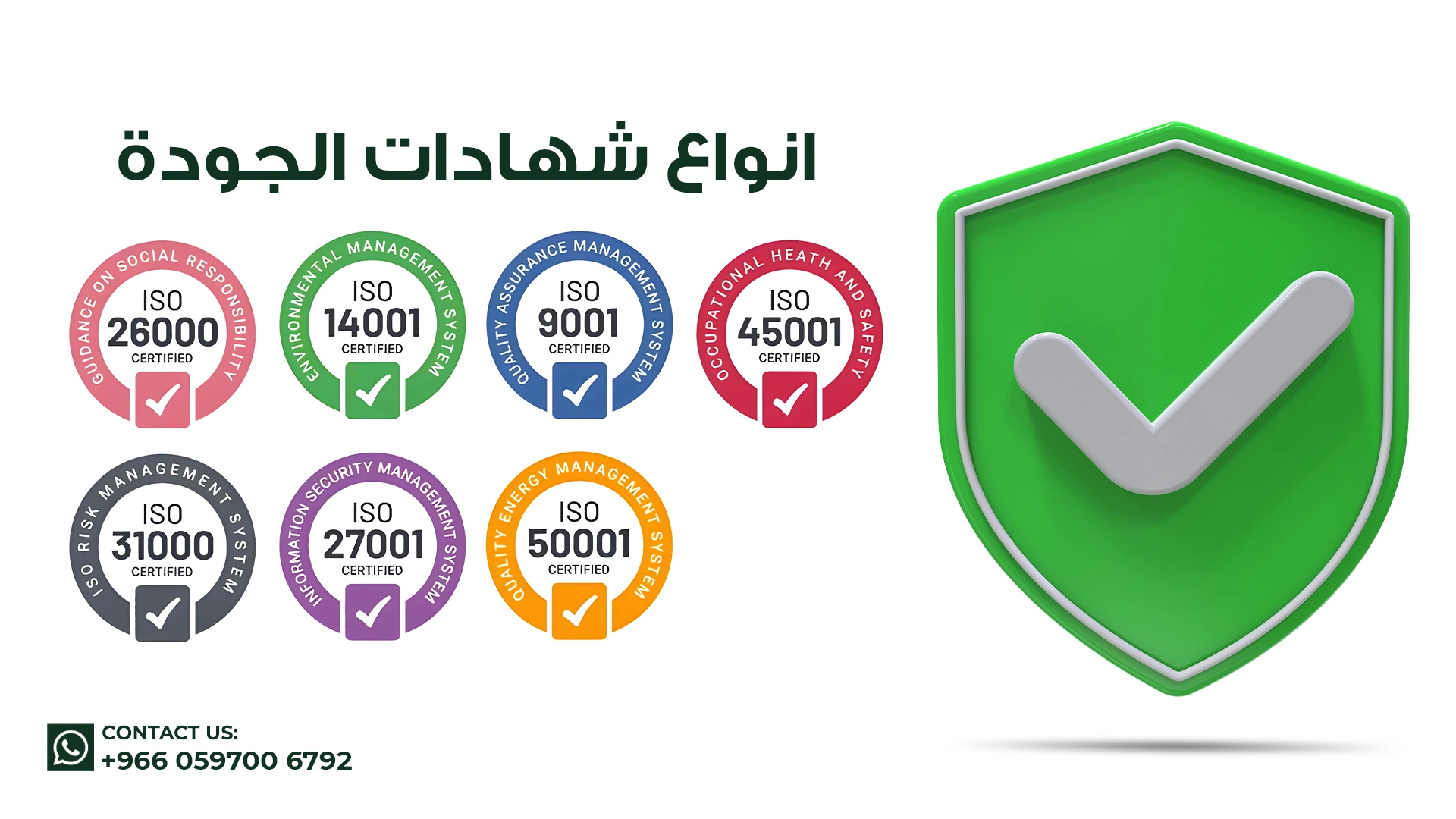
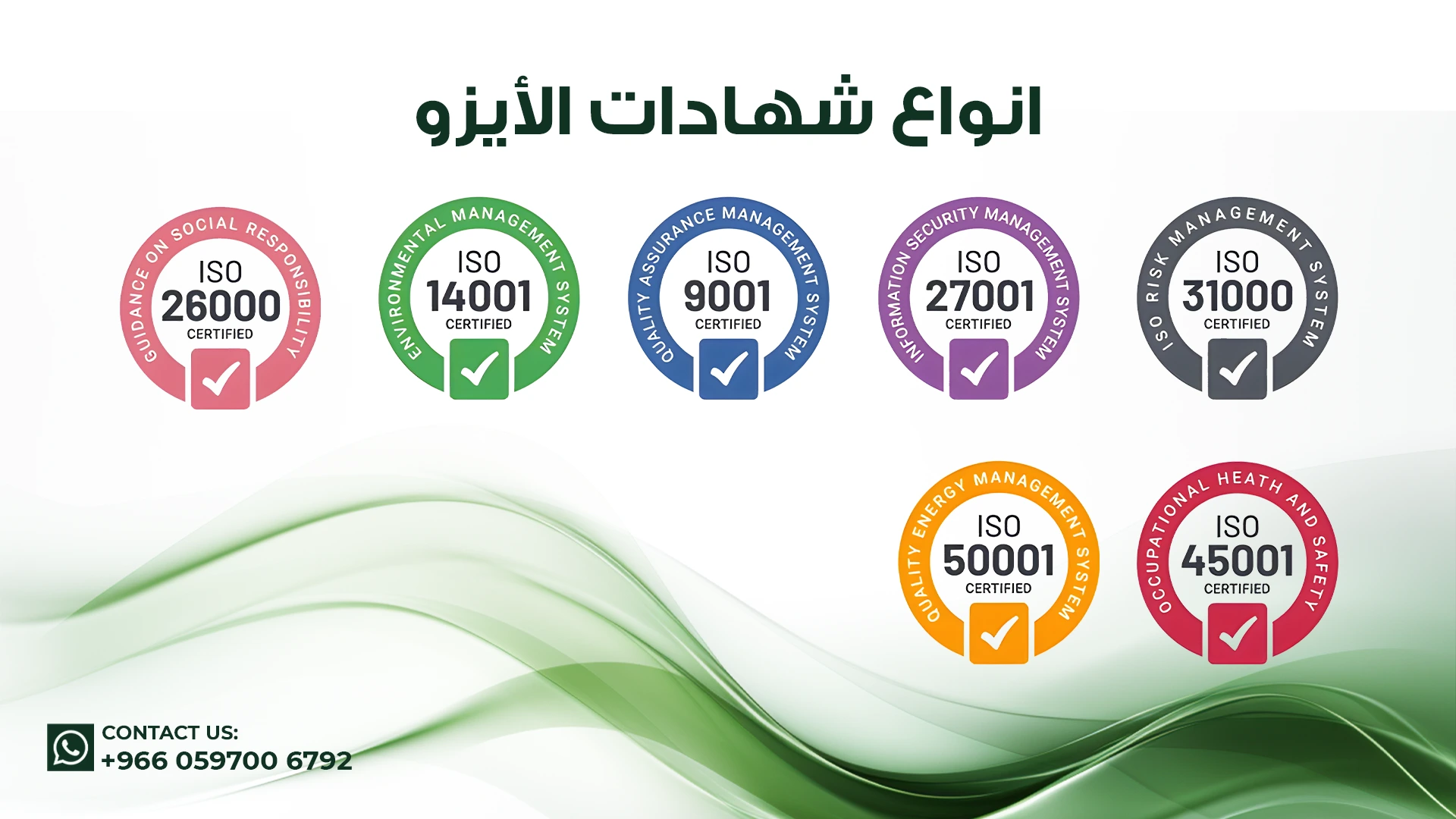
ISO standards are not limited to quality. They cover different areas such as quality management, environmental management, occupational health and safety, information security, energy management, and others.
When specifically discussing ISO 50001, the standard relates to an Energy Management System rather than a Quality Management System.
What Is the ISO 50001 Energy Management System?
The ISO 50001 Energy Management System is a set of processes and procedures that help an organization manage energy in an organized manner, starting from understanding energy use and identifying consumption sources, through measuring performance, identifying improvement opportunities, and monitoring results.
The system is not limited to purchasing more efficient equipment. Instead, it relies on managing energy as part of the organization’s way of working, so that energy-related decisions are based on data, objectives, and measurement results.
Important elements of the system include the use of Energy Performance Indicators (EnPIs) and the Energy Baseline (EnB) to monitor changes in energy performance and measure improvements over time.
Importance of ISO 50001 for Companies and Organizations
The importance of ISO 50001 for companies increases when energy consumption represents a significant part of the organization’s operating costs or operational performance.
Implementing the ISO 50001 standard helps establish a clear methodology for energy management instead of dealing with energy consumption randomly or relying on separate procedures.
The key aspects of the standard’s importance include:
- Improving energy efficiency.
- Understanding energy consumption patterns more effectively.
- Identifying opportunities to reduce waste.
- Supporting the reduction of energy costs.
- Improving the monitoring and measurement of energy performance.
- Supporting sustainability goals within the organization.
- Increasing awareness of efficient energy use practices.
- Integrating energy management into the organization’s overall management system.
ISO indicates that implementing the standard can help organizations improve energy efficiency, reduce costs, and support the reduction of the environmental impact associated with energy consumption.
What Are the Objectives of the ISO 50001 Energy Management System?
The ISO 50001 Energy Management System primarily aims to continuously improve energy performance rather than simply achieving a specific level of consumption reduction once.
Its main objectives include:
- Improving energy efficiency.
- Improving energy performance within the organization.
- Measuring and monitoring energy consumption.
- Identifying opportunities to improve energy efficiency.
- Setting energy-related objectives and plans.
- Monitoring the results of implemented actions.
- Supporting data-based decision-making.
- Promoting continuous improvement in energy performance.
Thus, energy management becomes a continuous process that includes planning, implementation, measurement, review, and improvement.
What Are the Key Requirements of ISO 50001?
The ISO 50001 standard includes a set of requirements that help an organization build, maintain, and improve an Energy Management System.
The main topics addressed by the system include:
1. Understanding the Organization’s Context
The organization must determine the internal and external factors related to the Energy Management System and understand the issues that may affect the achievement of the intended results.
2. Leadership and Energy Policy
Management needs to support the Energy Management System and establish an appropriate energy policy, while clarifying the organization’s overall direction regarding energy performance improvement.
3. Energy Planning
Energy planning includes analyzing energy use, identifying improvement opportunities, and establishing appropriate objectives and action plans.
4. Collecting and Analyzing Energy Data
Effective energy management depends on data. Therefore, information related to energy use, process performance, and relevant equipment should be monitored.
5. Energy Performance Indicators
The organization uses Energy Performance Indicators (EnPIs) to monitor and analyze energy performance and measure the level of improvement compared with the appropriate energy baseline.
6. Operational Control
The system requires appropriate controls for processes associated with significant energy use, helping maintain the targeted energy performance.
7. Performance Evaluation
The performance of the Energy Management System is measured and monitored, results are analyzed, and the extent to which established objectives have been achieved is evaluated.
8. Continuous Improvement
Results, problems, and improvement opportunities should be addressed in a way that helps the organization continuously improve its energy performance.
Steps to Implement the ISO 50001 Energy Management System
The implementation of ISO 50001 can be divided into a number of main steps, with details varying according to the organization’s nature, size, and system scope.
Defining the Scope of the Energy Management System
The organization begins by defining the boundaries and scope of the Energy Management System and the processes, sites, and activities that will be included in the system.
Analyzing Energy Use
Data is collected and analyzed to understand how energy is used within the organization and to identify consumption sources and processes that have the greatest impact on energy performance.
Establishing an Energy Baseline
The Energy Baseline (EnB) provides a reference point against which energy performance can be compared and improvements can be measured over time.
Establishing Energy Performance Indicators
Appropriate indicators are selected to measure and monitor energy performance so that they reflect the nature of the organization’s processes and energy uses.
Setting Energy Objectives and Plans
The organization establishes measurable objectives, along with action plans and procedures that help improve energy performance.
Implementing Actions
Improvement plans and related operational controls are implemented, while results are monitored and the effectiveness of the actions is verified.
Measuring and Reviewing Results
Performance indicators are monitored and data is analyzed to determine whether objectives have been achieved and to identify areas requiring further improvement.
Continuous Improvement
Measurement and review results are used to identify corrective actions and improvement opportunities and to continuously develop the Energy Management System.
This methodology is consistent with the continuous improvement approach adopted by ISO 50001.
Benefits of Implementing ISO 50001 and Improving Energy Efficiency
Implementing ISO 50001 can provide a range of benefits for organizations that adopt a structured energy management system.
Reducing Energy Waste
Analyzing data and identifying significant consumption sources can help discover opportunities to improve energy use and reduce waste.
Improving Energy Efficiency
The system helps organizations make more structured decisions to improve energy efficiency and monitor the impact of implemented actions.
Reducing Energy Costs
When energy efficiency improves and waste is reduced, energy consumption-related costs may decrease, depending on the organization’s nature and implementation results.
Improving Decision-Making
Relying on energy data and performance indicators helps support more accurate decisions instead of relying only on estimates.
Supporting Sustainability
Improving energy performance can contribute to supporting the organization’s sustainability goals and reducing the environmental impact associated with energy consumption.
Increasing Awareness Within the Organization
The system helps raise awareness of the importance of energy efficiency and encourages employees to use resources responsibly.
Who Can Implement ISO 50001?
ISO 50001 can be implemented by organizations of different types, sizes, and sectors. It is not limited to factories or companies that consume large amounts of energy.
It can benefit:
- Factories and industrial facilities.
- Commercial companies.
- Large buildings and facilities.
- Service organizations.
- Government facilities.
- Educational institutions.
- Healthcare facilities.
- Companies whose operations depend on energy-intensive equipment and systems.
ISO confirms that the standard is designed to be applicable to organizations of different types and sizes.
What Is the Difference Between ISO 50001 and Other Management Standards?
Although different ISO standards are based on common management system principles, each standard has a different primary focus.
| Standard | Main Focus |
| ISO 50001 | Energy Management System and energy performance improvement |
| ISO 9001 | Quality Management System, process improvement, and customer satisfaction |
| ISO 14001 | Environmental Management System and environmental performance improvement |
| ISO 45001 | Occupational Health and Safety Management System |
An organization can integrate ISO 50001 with other management standards because the standard is designed in a way that facilitates its integration with systems such as ISO 9001 and ISO 14001.
How to Obtain ISO 50001 Certification?
Obtaining ISO 50001 certification is linked to implementing an Energy Management System within the organization and evaluating its conformity with the requirements of the standard.
The organization usually begins by defining the system scope and implementing the relevant requirements. It then undergoes an assessment and audit process conducted by an independent certification body to verify that the system conforms to the specified requirements.
It is important to distinguish between ISO 50001 as a standard and ISO 50001 certification. The standard defines the requirements, while certification demonstrates that the organization’s system has been evaluated against those requirements.
Obtaining certification is also not mandatory simply because an organization implements the standard. ISO explains that ISO 50001 certification is voluntary, and organizations can implement the standard without obtaining certification if this aligns with their objectives. ISO itself does not issue certifications to organizations.
Is ISO 50001 Mandatory for Companies?
In general, ISO 50001 is not mandatory for companies. It is a voluntary international standard that organizations can implement according to their needs and objectives.
An organization may choose to obtain certification to demonstrate the implementation of an Energy Management System to customers or interested parties, while another organization may simply implement the system to benefit from its methodology for improving energy performance.
However, it is always important to verify any legal, contractual, or regulatory requirements specific to the activity or country, as they may impose separate requirements regardless of the fact that ISO 50001 itself is a voluntary standard.
What Is the Relationship Between ISO 50001, Sustainability, and Climate Change?
The ISO 50001 Energy Management System is connected to improving energy efficiency and reducing waste, which can support organizations’ sustainability efforts and reduce the environmental impact associated with energy consumption.
ISO also issued the ISO 50001:2018/Amd 1:2024 amendment in February 2024 regarding the inclusion of climate action considerations within the standard.
Therefore, when studying or implementing the ISO 50001 standard, it is important to pay attention to the current edition and the amendment related to climate change considerations.
Why Is ISO 50001 Important for Energy Management in Companies?
The key difference offered by ISO 50001 is that it transforms energy management from a set of separate procedures into a continuous management system based on planning, data, measurement, review, and improvement.
Instead of implementing an energy-saving action and then stopping there, the system helps the organization monitor energy performance, determine whether actions are achieving the required results, and then identify new opportunities for improvement.
This makes energy management in companies more closely connected to daily operational and management decisions.
Frequently Asked Questions About ISO 50001
What Is ISO 50001?
ISO 50001 is an international standard that specifies the requirements for an Energy Management System and helps organizations improve energy efficiency, monitor energy consumption, and reduce waste.
What Does ISO Mean in Quality?
ISO refers to the International Organization for Standardization, an international organization that develops standards to help organizations improve management systems and processes in various fields.
What Is the ISO Organization and What Is Its Role?
The International Organization for Standardization (ISO) develops international standards in various fields with the aim of standardizing practices and improving efficiency, quality, safety, and sustainability.
What Is ISO 9001 Certification?
ISO 9001 certification demonstrates that an organization’s Quality Management System has been evaluated by an independent certification body and found to conform to the requirements of the ISO 9001 standard.
What Is the ISO 50001 Energy Management System?
It is a system that helps an organization manage energy use, measure energy performance, identify opportunities to improve energy efficiency, and continuously monitor results.
What Is the Purpose of the ISO 50001 Energy Management System?
It aims to improve energy performance, increase energy efficiency, reduce waste, and monitor results through a structured continuous improvement methodology.
What Are the Main ISO 50001 Requirements?
The main requirements include an energy policy, analysis of energy use, identification of performance indicators and an energy baseline, establishment of objectives and action plans, performance monitoring, and continuous improvement.
What Are the Benefits of Implementing ISO 50001?
It helps improve energy efficiency, reduce waste and consumption-related costs, improve performance measurement, and support sustainability goals.
Who Can Obtain ISO 50001 Certification?
Organizations of different types and sizes can implement an Energy Management System and apply for certification according to a defined scope for their system.
How Is an Energy Management System Implemented?
Implementation begins by defining the system scope and analyzing energy use, followed by establishing the energy baseline, performance indicators, and objectives, implementing improvement plans, and continuously measuring and reviewing results.
Is ISO 50001 Mandatory for Companies?
No. ISO 50001 is generally a voluntary standard, and an organization can implement it or obtain certification according to its objectives and needs.
What Is the Difference Between ISO 50001 and ISO 9001?
ISO 50001 focuses on energy management and improving energy performance, while ISO 9001 focuses on the Quality Management System, process improvement, and customer satisfaction.
What Is the Difference Between ISO 50001 and ISO 14001?
ISO 50001 primarily focuses on energy management and energy performance improvement, while ISO 14001 focuses on environmental management and the organization’s environmental aspects and impacts.
Conclusion
ISO 50001 provides a structured framework that helps organizations manage energy and improve energy efficiency through planning, measurement, data analysis, and continuous improvement. Implementing the ISO 50001 Energy Management System is not limited to reducing consumption; it also helps an organization establish a clear methodology for monitoring energy performance and making more efficient decisions.
If your organization aims to improve energy management or wants to understand the requirements of ISO 50001 certification, understanding the standard, its scope of application, and the requirements for evaluating the system represents the first step toward a more organized and effective implementation.
CTA
Learn more about ISO 50001 and Energy Management System Certification through Quality Makers, and start understanding the requirements and appropriate steps for your organization’s activities.