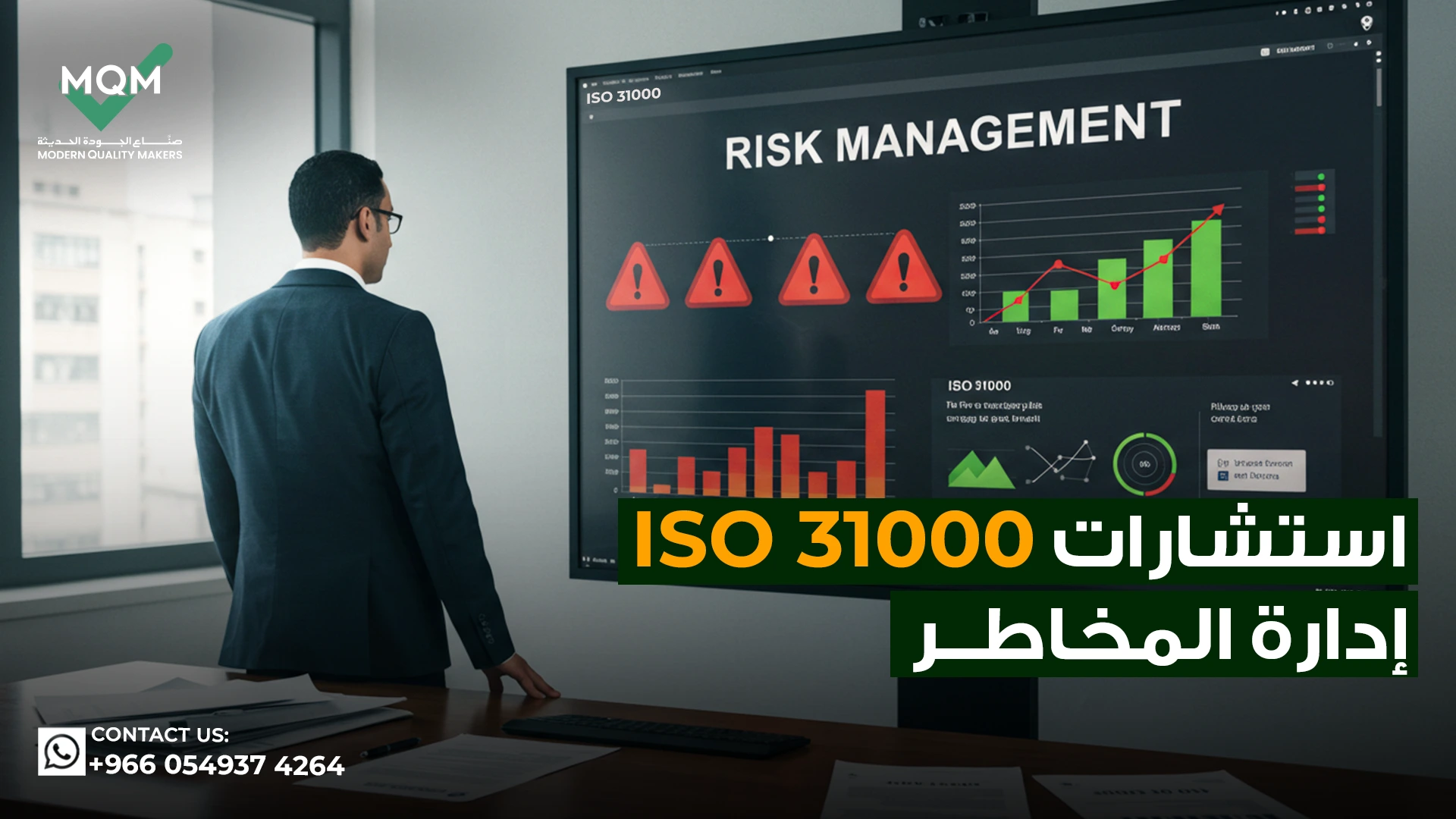
Organizations across different sectors face a wide range of risks that may affect their operations, resources, objectives, reputation, and business continuity. Therefore, risk assessment has become an essential part of the risk management process because it helps organizations understand potential risks, determine their likelihood and impact, and then prioritize them according to their level of importance.
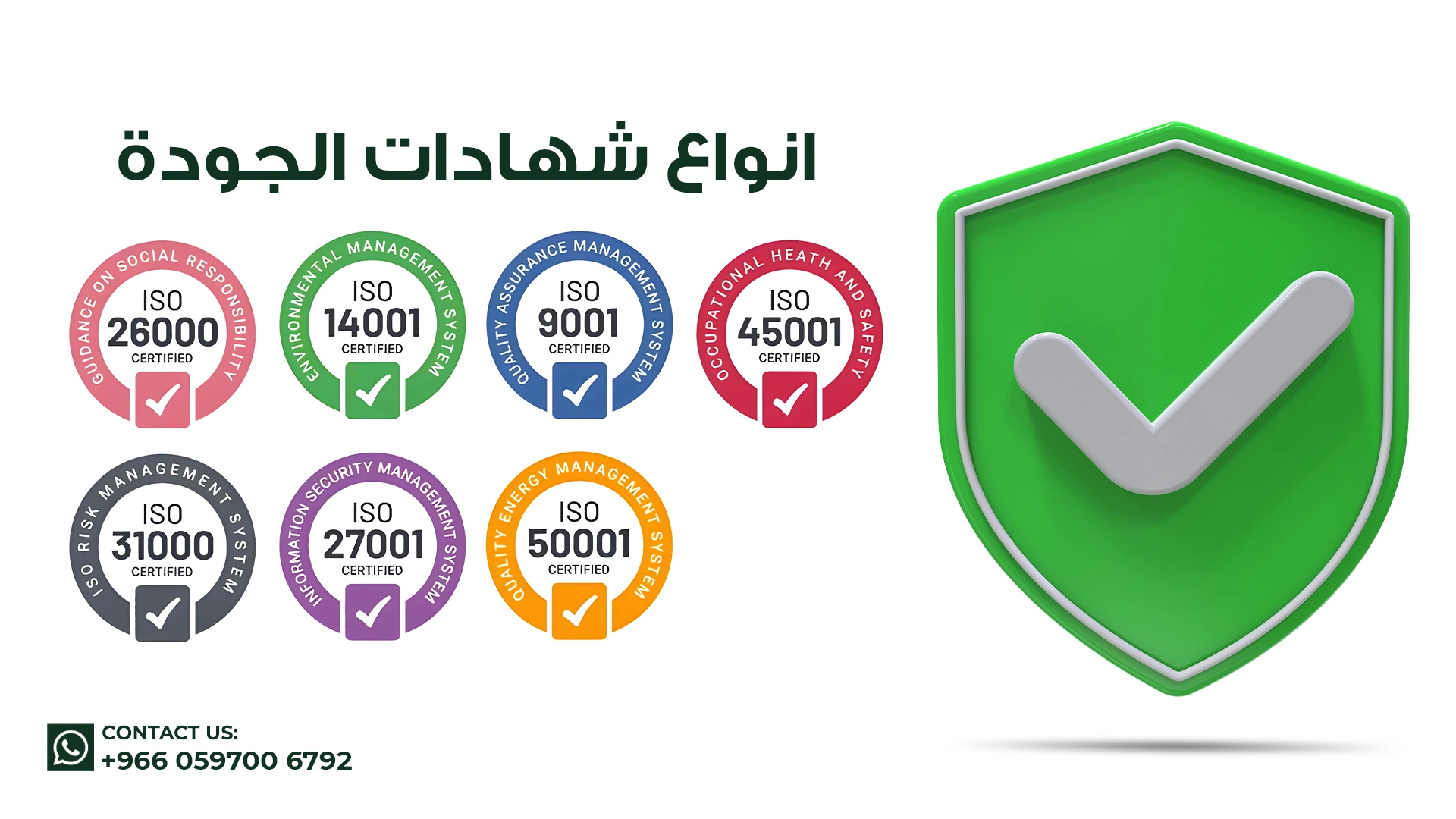
ISO 31000 is one of the most prominent international standards that provides principles and guidelines to help organizations establish a structured approach to risk management. This methodology is not limited to a specific sector and can be used by industrial, service, commercial, governmental, and other organizations.
In this article, we explore the concept of risk assessment, its relationship with ISO 31000, the most important risk assessment steps and methods, the difference between risk identification, risk analysis, and risk assessment, as well as how to deal with risks after determining their levels.
What Is Risk Assessment?
Risk assessment is a structured process aimed at understanding the risks that may affect an organization’s objectives by analyzing the likelihood of each risk occurring and the magnitude of its impact, then comparing the results to identify the risks that require greater attention and priority.
Risk assessment does not mean that an organization can predict everything that will happen in the future. Instead, it helps the organization prepare more effectively by providing information that supports management in making appropriate decisions regarding risks.
Effective risk assessment relies on realistic information that is appropriate to the nature of the activity, along with reviewing and updating the results when operations, circumstances, or sources of risk change.
What Is the Relationship Between Risk Assessment and ISO 31000?
ISO 31000 provides general principles and guidelines for risk management and helps organizations integrate risk management into their daily processes and decisions.
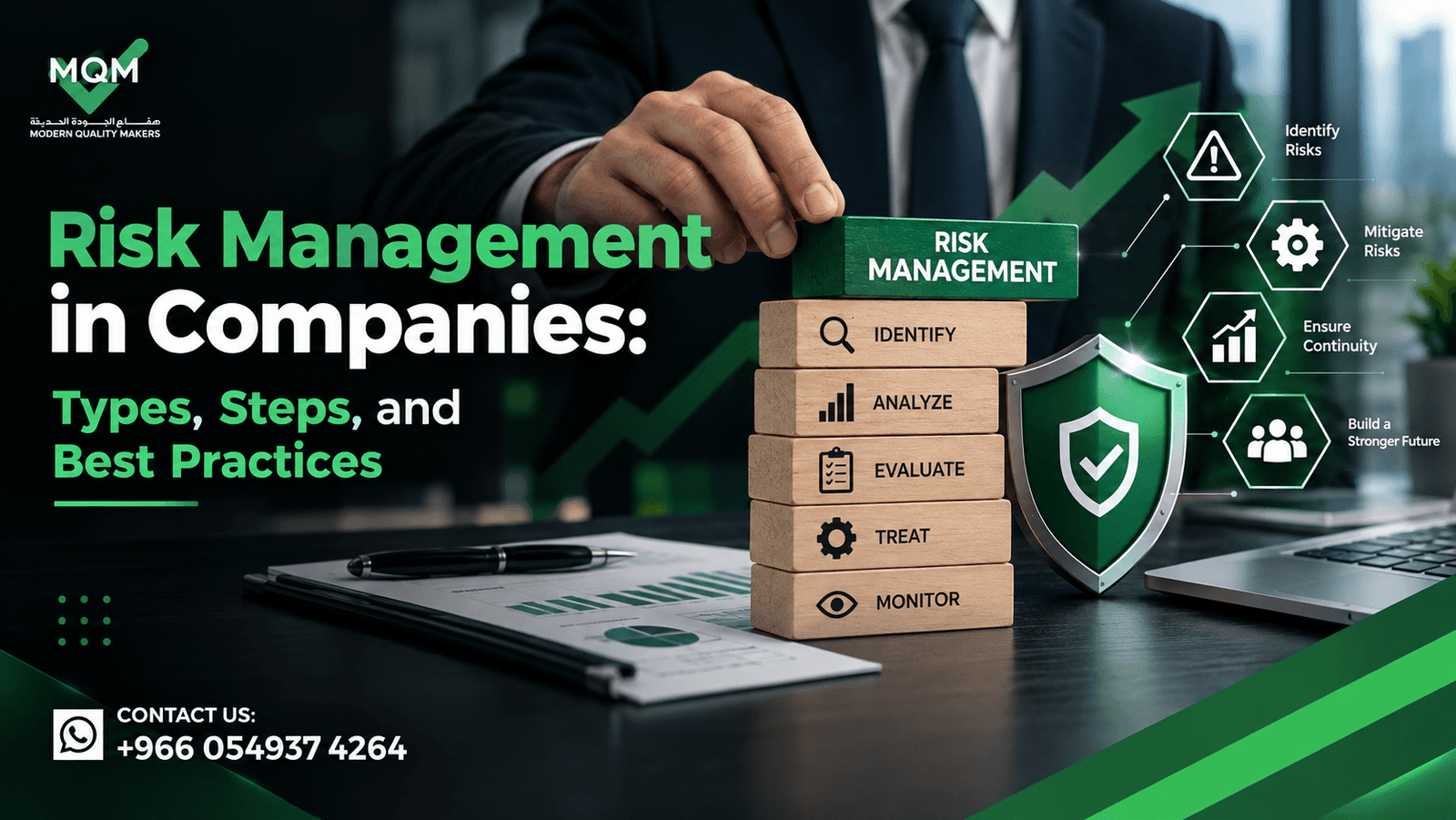
The standard treats risk management as an integrated process that begins with understanding the context and identifying risks, followed by analyzing, evaluating, treating, and monitoring the results of the actions taken.
Therefore, risk assessment according to ISO 31000 is not a separate step from risk management. Instead, it is part of an interconnected process that helps the organization understand the nature of risks and make decisions based on the available information.
Importance of Risk Assessment in Organizations
Organized risk management helps an organization deal with potential events before they turn into actual problems. It also helps management direct resources toward the most important risks.
The importance of risk assessment appears in several areas, including:
- Identifying risks that may affect the organization’s objectives.
- Understanding the likelihood of risks occurring and their potential impacts.
- Prioritizing risks according to their importance.
- Supporting management in making more accurate decisions.
- Identifying appropriate actions to address risks.
- Reducing potential losses.
- Improving business continuity.
- Increasing risk awareness within the organization.
- Supporting planning and strategic decision-making.
Having a clear methodology also helps avoid treating all risks in the same way because the level of attention and resources required varies from one risk to another.
What Are the Steps of Risk Assessment?
The risk assessment process can be divided into a series of interconnected steps, beginning with identifying risks and ending with prioritizing them to make appropriate decisions.
1. Understanding the Organization’s Context
Before identifying risks, the organization needs to understand the nature of its activities, objectives, and processes, as well as the internal and external factors that may affect the achievement of its objectives.
Understanding the context helps identify the environment in which risks arise and determine the criteria that will be used when analyzing and evaluating them.
2. Risk Identification
The next step involves identifying events or circumstances that could affect the organization’s objectives, whether the impact is negative or positive.
Risks can be identified through:
- Reviewing processes and procedures.
- Analyzing previous incidents and problems.
- Interviewing employees and experienced personnel.
- Reviewing data and records.
- Analyzing changes in the market or operating environment.
- Examining the equipment, resources, and systems used.
The risk should be clearly described by identifying its source, the potential event, and the consequence that may result from it.
Risk Analysis
After risks have been identified, the risk analysis stage begins. It aims to understand the nature of each risk and estimate its likelihood of occurring and the magnitude of its impact.
Risk analysis can be conducted using historical data, expert opinions, quantitative or qualitative models, depending on the nature of the risk and the available data.
When analyzing risks, it is important not to consider impact alone. A risk with a low impact but a very high likelihood may require greater attention than a risk with a major impact but a very low likelihood of occurring.
Evaluating Risk Levels
After analyzing risks, risk levels are evaluated by comparing the analysis results with criteria previously established by the organization.
The organization may use a risk matrix that combines likelihood and impact, allowing risks to be classified into levels such as:
- Low risks.
- Medium risks.
- High risks.
- Critical risks.
The limits and criteria used vary from one organization to another according to the nature of the activity and the level of risk the organization is willing to accept.
Prioritizing Risks
It is generally not possible to deal with all risks at the same level. Therefore, risks are prioritized according to their level of importance.
Risk prioritization helps management determine which risks require urgent action, which risks can be monitored, and which risks can be accepted at their current level.
This step is important for directing resources, time, and effort toward the risks that have the greatest impact on the organization’s objectives.
What Is the Difference Between Risk Analysis and Risk Assessment?
There is a difference between the two terms, although they are closely related.
Risk analysis focuses on understanding the characteristics of a risk and estimating its likelihood and impact, while risk assessment includes comparing the analysis results with established criteria to determine the risk level and priority.
In simple terms:
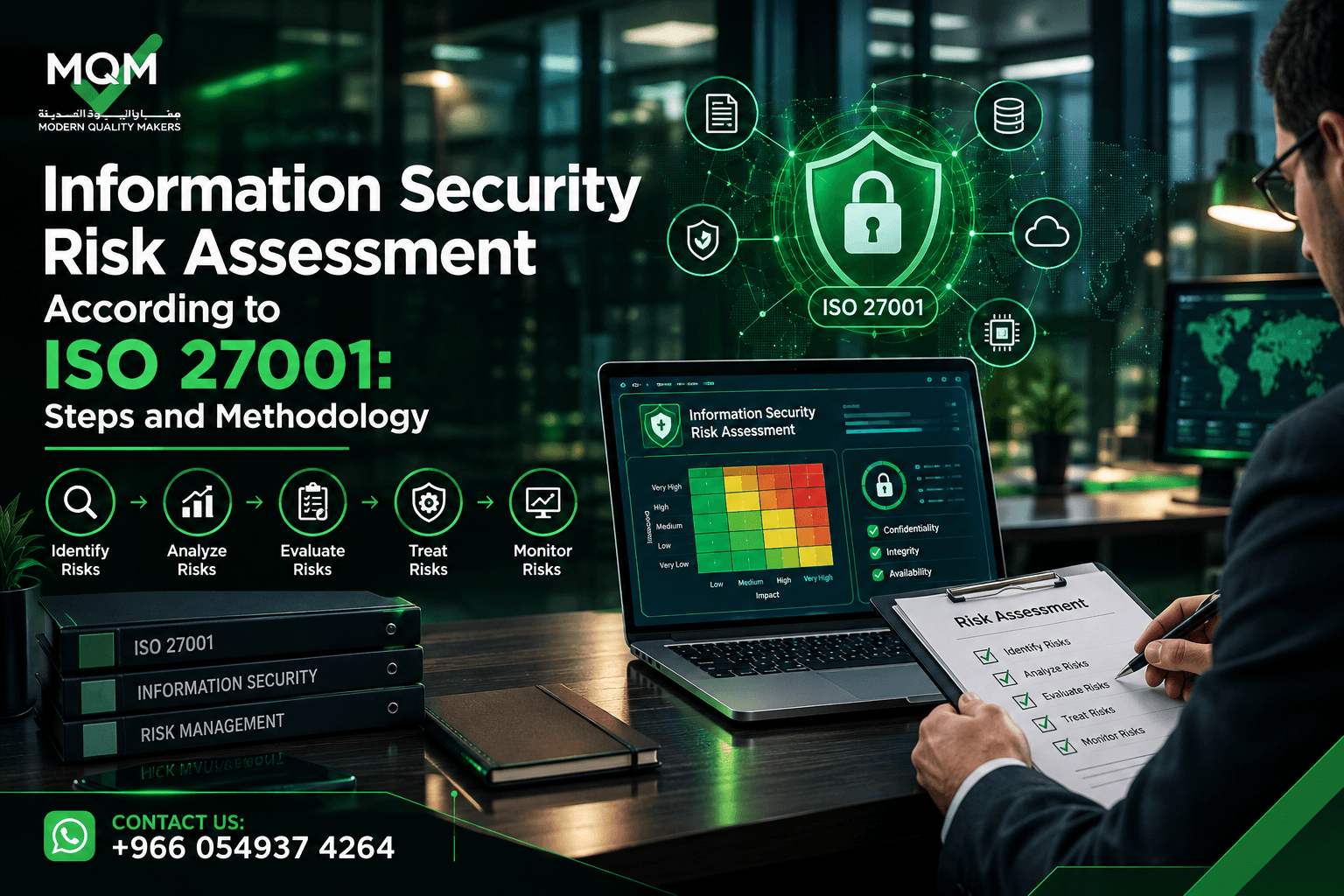
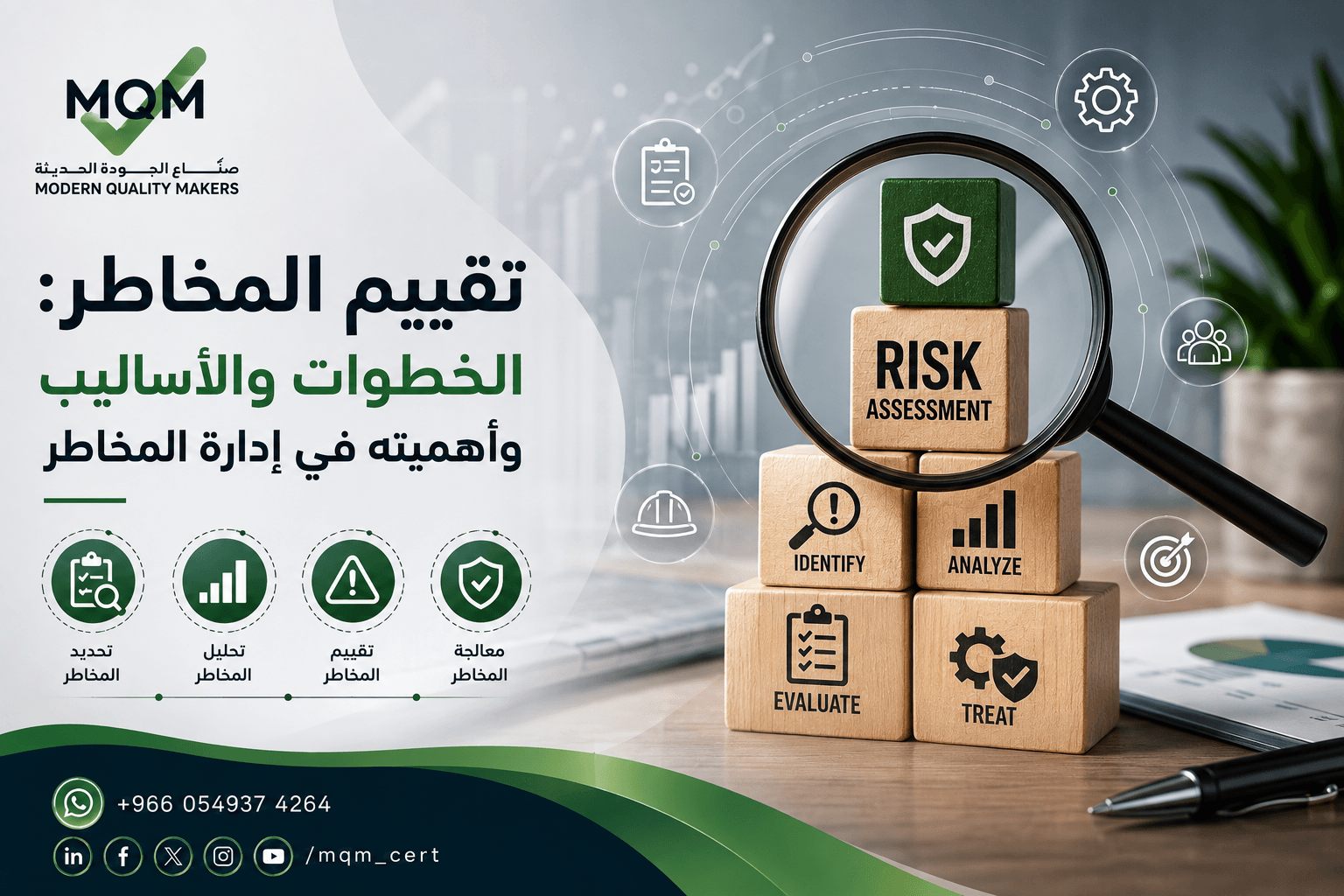
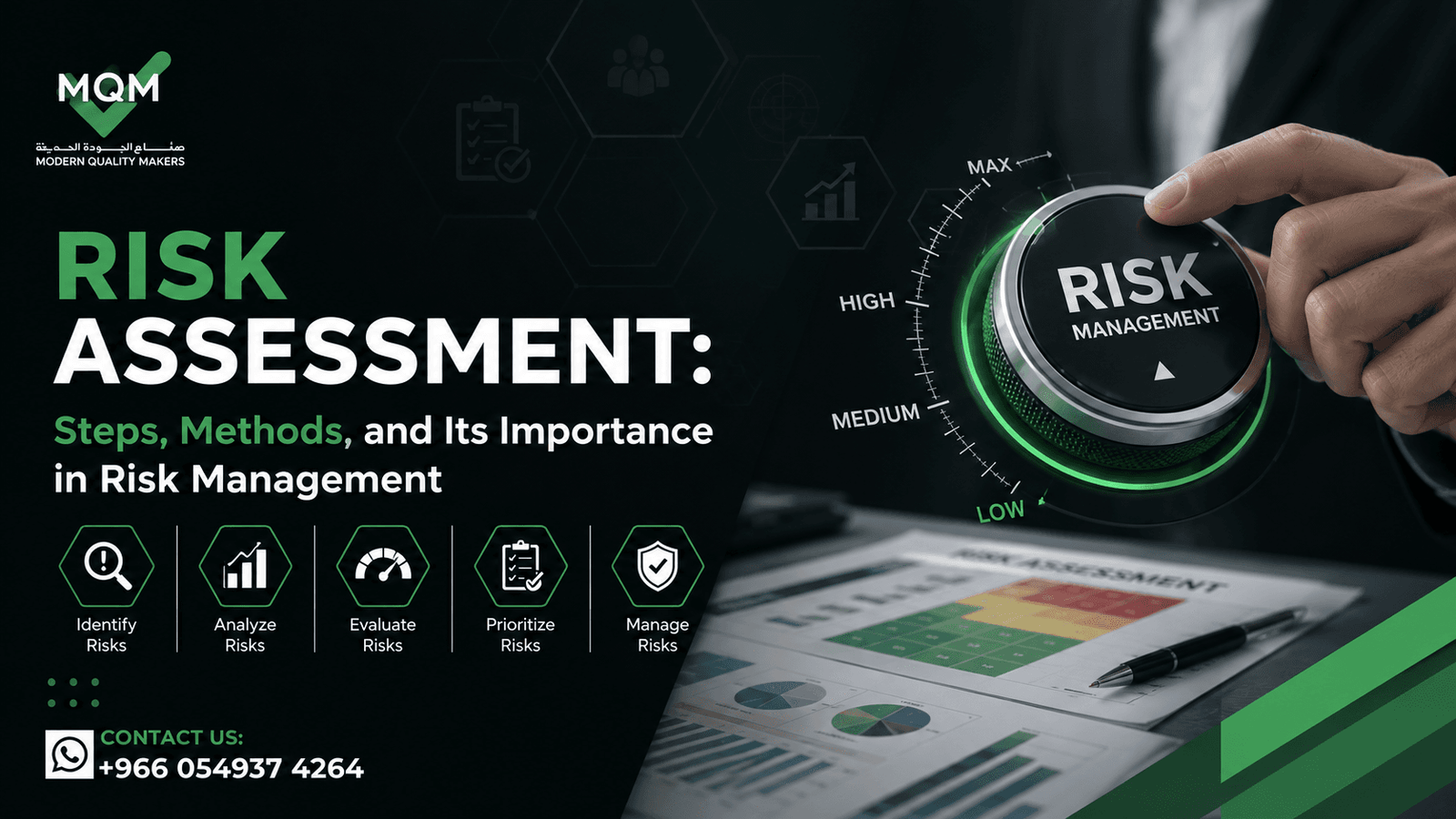
Risk Identification → Risk Analysis → Risk Level Evaluation → Risk Prioritization → Risk Treatment.
This sequence helps the organization move from simply knowing that a risk exists to making an appropriate decision about how to address it.
Main Risk Assessment Methods
Risk assessment methods vary depending on the nature of the activity, the availability of data, and the complexity of the risks.
Qualitative Risk Analysis
Qualitative analysis relies on classifying risks using descriptions such as low, medium, and high, and often uses a likelihood and impact matrix.
This method is characterized by simplicity and ease of application, making it suitable when numerical data is limited or when the organization needs a quick initial assessment.
Quantitative Risk Analysis
Quantitative analysis relies on data, numbers, and statistical or mathematical models to estimate the likelihood of risks and their impacts in greater detail.
It may be suitable for projects and operations where sufficient historical data is available, particularly when risk-related decisions have a significant financial or operational impact.
Risk Matrix
A risk matrix is a common tool that combines the likelihood of a risk occurring with the severity of its impact.
Based on the intersection of likelihood and impact, the risk level can be determined, along with whether it requires immediate treatment, periodic monitoring, or acceptance at its current level.
How to Deal With Risks After Assessing Them?
After completing risk assessment and determining priorities, the organization needs to choose the appropriate response for each risk.
Some of the most common risk treatment strategies include:
Risk Avoidance
An organization may decide to stop an activity or change the way it is performed when the level of risk is high and cannot be adequately controlled.
Risk Reduction
Actions are taken to reduce the likelihood of the risk occurring or minimize its impact if it occurs.
Risk Sharing
In some cases, part of the risk can be shared with another party through contracts, insurance, or other appropriate arrangements.
Risk Acceptance
An organization may decide to accept certain risks when their level falls within acceptable limits, while continuing to monitor them when necessary.
The selected response should be proportionate to the level of risk, the cost of the action, and the available resources.
Examples of Risk Assessment in Organizations
The risk assessment methodology can be applied across many areas and processes.
Example in a Factory
An industrial facility may identify the risk of a major machine breakdown. The likelihood of the failure and its impact on production can then be analyzed, followed by classifying the risk level and identifying appropriate actions such as preventive maintenance and providing essential spare parts.
Example in a Technology Company
Data loss or unauthorized access to systems may be considered significant risks. The likelihood of the incident and its impact on operations and information can be analyzed, followed by identifying appropriate protection and monitoring measures.
Example in a Construction Project
Risks such as delays in material delivery, price changes, or accidents at the worksite can be identified. Each risk can then be analyzed, prioritized, and addressed through appropriate actions to reduce its impact.
These examples demonstrate that risk management is not limited to one type of organization. Instead, it can be adapted to the nature of each activity.
Common Risk Assessment Mistakes
There are several mistakes that may reduce the effectiveness of the risk management process, including:
- Relying on outdated information without updating it.
- Ignoring low-likelihood risks despite their significant impact.
- Assessing risks based on the opinion of only one person.
- Failing to establish clear criteria for risk levels.
- Confusing risk identification, analysis, and treatment.
- Failing to document assessment results.
- Failing to follow up on actions after implementation.
- Treating risk assessment as a one-time activity.
Therefore, risks should be reviewed periodically, particularly when significant changes occur in operations, structure, technology, or the organization’s surrounding environment.
Best Practices for Implementing Risk Assessment According to ISO 31000
To achieve the best results from the ISO 31000 methodology, risk management should be part of the decision-making process rather than a separate management activity.
Some of the best practices include:
- Clearly defining the organization’s objectives before assessing risks.
- Using a consistent methodology for identifying, analyzing, and evaluating risks.
- Involving knowledgeable and experienced people in the assessment process.
- Relying on reliable data whenever possible.
- Establishing clear criteria for risk acceptance.
- Prioritizing risks according to their importance.
- Documenting the results and actions taken.
- Reviewing risks when changes occur.
- Monitoring the effectiveness of risk treatment actions.
- Promoting a culture of risk awareness within the organization.
These practices help make risk management a continuous process that supports the organization’s objectives rather than simply being a paperwork exercise.
Is ISO 31000 a Certification?
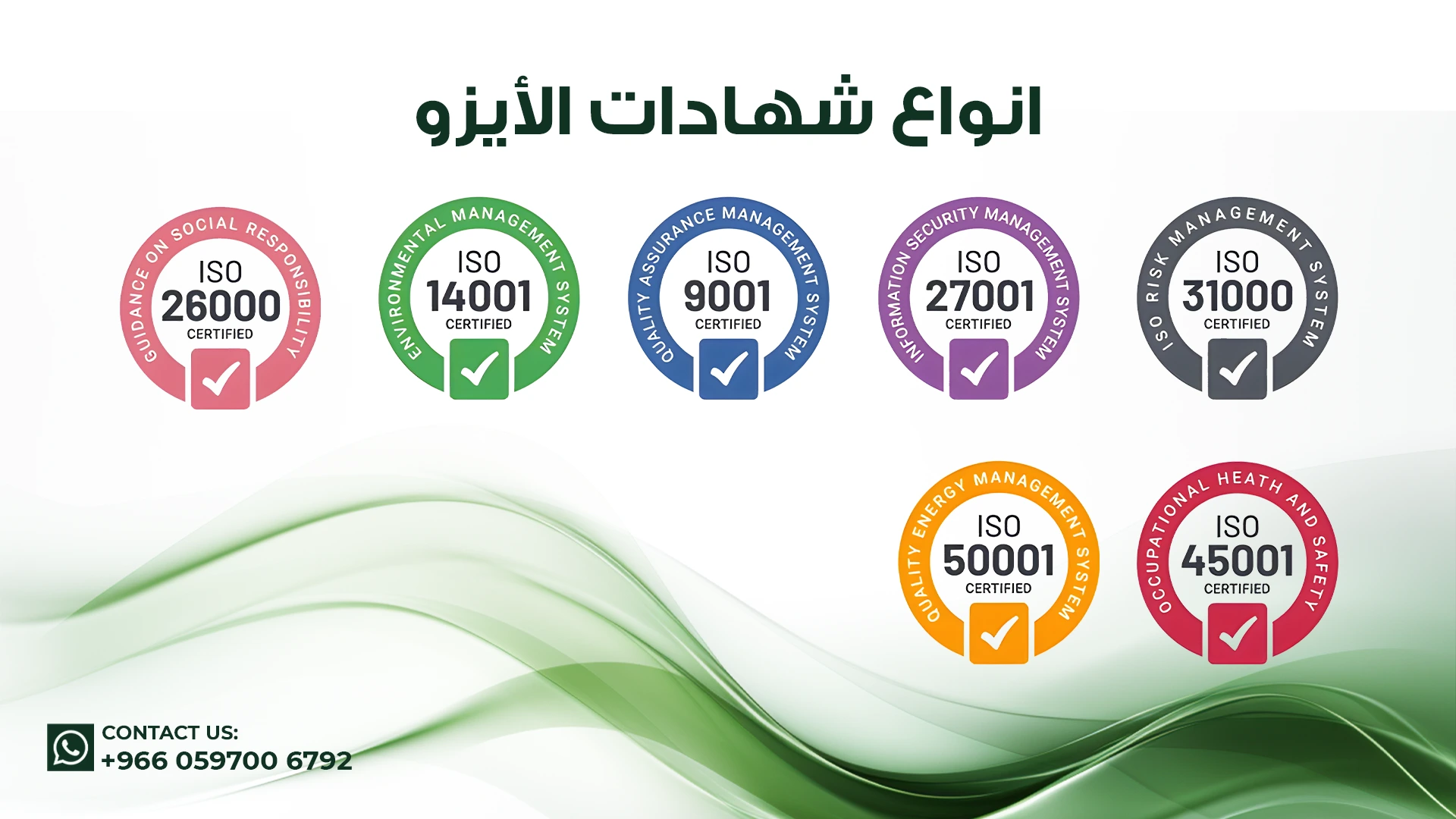
It is important to distinguish ISO 31000 from other management system standards. ISO 31000 provides principles and guidelines for risk management rather than being a management system standard that can be certified in the same way as systems such as ISO 9001.
Organizations can use the principles and methodology of ISO 31000 to develop their risk management processes according to the nature of their activities and objectives.
How Does ISO 31000 Help With Risk Management?
ISO 31000 helps an organization establish a structured framework for risk management by linking it to governance, planning, decision-making, and various organizational processes.
It also provides a methodology for identifying, analyzing, evaluating, treating, and monitoring risks, while emphasizing the importance of communication, review, and continuous improvement.
This enables the organization to move from responding to risks after they occur to preparing for and managing them in a more systematic way.
Frequently Asked Questions About Risk Assessment
What Is Risk Assessment?
It is the process of identifying, analyzing, and comparing risks to determine their likelihood of occurring, their impact, and the appropriate level of priority for each risk.
How Is Risk Assessment Performed?
Risk assessment is performed by identifying the risk, analyzing its likelihood and impact, then comparing the results with the organization’s criteria and determining the risk level and priority.
What Are the Five Steps of Risk Assessment?
The process can be summarized into five main steps: risk identification, risk analysis, risk level evaluation, risk prioritization, and selecting the appropriate risk treatment method.
What Is the Difference Between Risk Analysis and Risk Assessment?
Risk analysis focuses on studying the likelihood and impact of a risk, while risk assessment includes comparing the analysis results with established criteria to determine the risk level and priority.
What Is ISO 31000?
ISO 31000 is an international standard that provides principles and guidelines to help organizations establish a structured risk management methodology.
What Is ISO 31000 Certification?
ISO 31000 is not a standard for issuing a conformity certificate to an organization in the same way as ISO 9001. Instead, it provides principles and guidelines that can be used to develop risk management within an organization.
How Does ISO 31000 Help With Risk Assessment?
It helps organize the process of identifying, analyzing, evaluating, treating, and monitoring risks, while connecting risk management with organizational processes and decision-making.
What Are the Risk Assessment Methods?
The main methods include qualitative analysis, quantitative analysis, and risk matrices, which help determine the risk level based on its likelihood of occurring and the magnitude of its impact.
Why Is Risk Assessment Important for Organizations?
It helps identify the most important risks and prioritize them, supporting decision-making, directing resources, and reducing potential losses.
Conclusion
Risk assessment is an essential step in understanding the risks that may affect an organization’s objectives and determining priorities for addressing them. By identifying risks and analyzing their likelihood and impact, management can make more informed decisions and direct resources toward areas that require greater attention.
ISO 31000 provides a flexible framework that helps organizations organize risk management and integrate it into their processes and decisions, with a focus on monitoring, review, and continuous improvement.
CTA
If you are looking to apply risk management principles through a clear methodology, you can contact Quality Makers to learn more about ISO 31000 requirements and the services suitable for your organization’s needs.