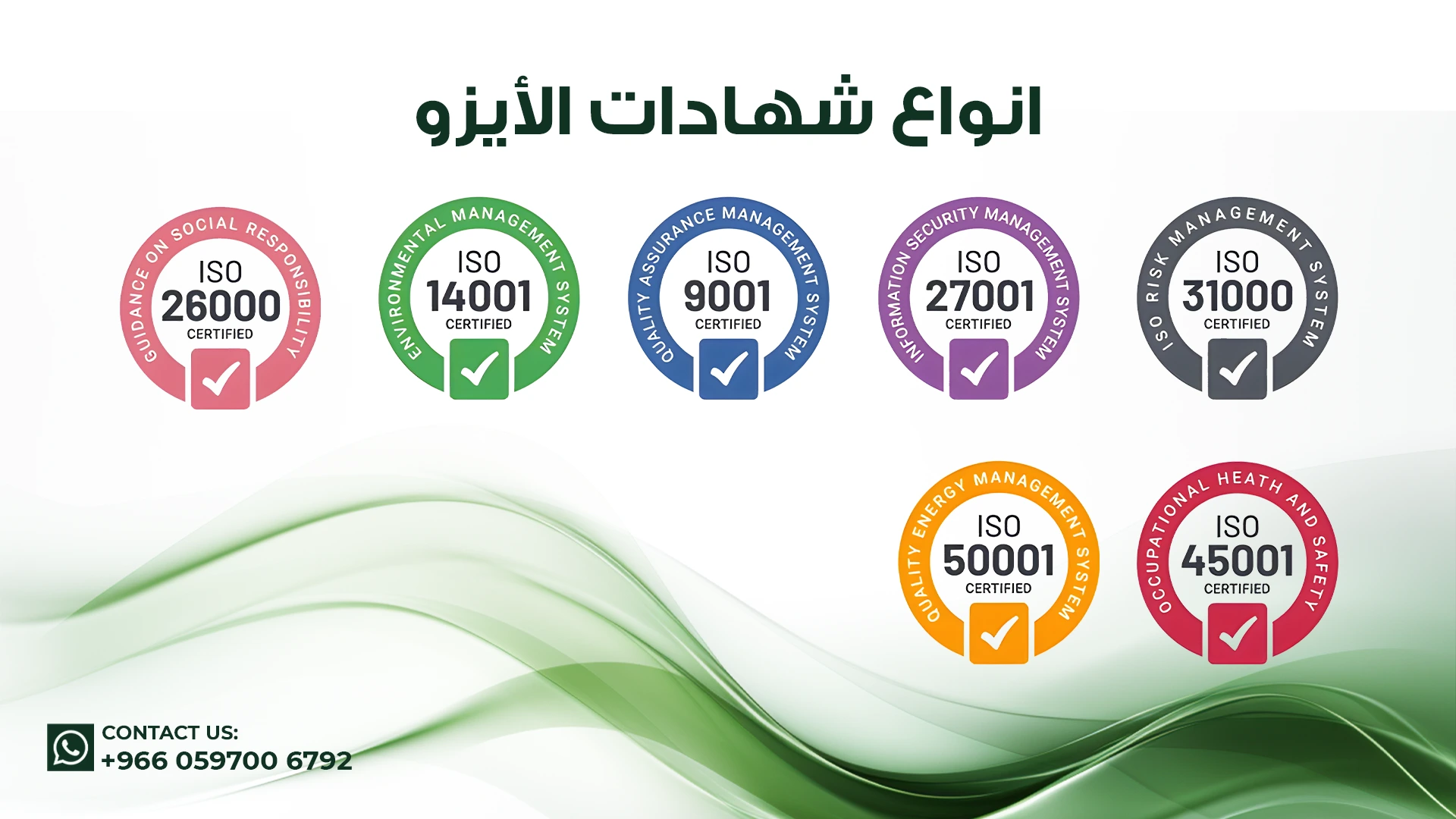

Today, organizations and companies seek to improve the quality of their products and services, increase customer satisfaction, and reduce errors and costs resulting from inefficient processes. This is where the ISO 9001 Quality Management System plays an important role as one of the most well-known international standards that helps organizations build a clear and structured system for quality management and performance improvement.
Many business owners and quality managers search for ISO 9001 Requirements to understand the requirements that should be met within an organization before starting to implement a Quality Management System and becoming qualified to obtain certification.
In this guide, we will explore the most important ISO 9001 Requirements, how they can be implemented within organizations, and their importance in improving performance and achieving continual improvement.
What Are ISO 9001 Requirements?
ISO 9001 Requirements refer to a set of requirements and practices that an organization needs to implement to establish an effective Quality Management System.
These requirements help an organization identify customer needs, manage processes, assess risks, monitor performance, address nonconformities, and continually work to improve the system.
ISO 9001 is based on a process approach and risk-based thinking. Therefore, the Quality Management System is not limited to inspecting the final product but also focuses on all processes that affect the quality of products and services.
Key ISO 9001 Requirements for Implementing a Quality Management System
The ISO 9001 Requirements include a set of key areas covering different aspects of the Quality Management System, starting with understanding the organization and the needs of interested parties and extending to performance evaluation and continual improvement.
1. Organizational Context Requirements
The organization begins by understanding the context in which it operates and identifying the internal and external factors that may affect its ability to achieve the objectives of the Quality Management System.
This includes:
- Identifying internal and external issues affecting the organization.
- Identifying interested parties and their needs.
- Defining the scope of the Quality Management System.
- Identifying core and supporting processes.
- Identifying the relationship between different processes within the organization.
Understanding the organization’s context is an essential step because the Quality Management System should be appropriate to the nature of the organization’s activities, its size, and its customers’ needs.
2. Leadership and Responsibility Requirements
Top management has a fundamental responsibility for the success of the Quality Management System. The system cannot be implemented effectively without clear commitment from management.
The ISO 9001 Requirements related to leadership include:
- Demonstrating top management’s commitment to the Quality Management System.
- Establishing a clear quality policy.
- Defining responsibilities and authorities.
- Focusing on customer needs.
- Ensuring that Quality Management System requirements are integrated into the organization’s processes.
- Supporting employees and providing the resources required to implement the system.
Quality should be a shared responsibility within the organization, rather than the responsibility of the quality department alone.
3. Planning and Risk Management Requirements
ISO 9001 is based on risk-based thinking. Therefore, the organization should identify the risks and opportunities associated with its processes and establish appropriate actions to address them.
Planning includes:
- Identifying risks and opportunities.
- Establishing quality objectives.
- Developing plans to achieve quality objectives.
- Defining the required responsibilities and resources.
- Monitoring the achievement of objectives.
- Updating plans when necessary.
Risk-based thinking does not mean that an organization is required to eliminate all risks. Instead, the organization should understand the risks that may affect its activities and take appropriate actions to control them.
4. Resource and Support Requirements
The success of a Quality Management System requires providing appropriate resources, including human resources, infrastructure, and a suitable work environment.
Key support elements include:
- Providing qualified employees.
- Identifying training needs.
- Improving employee competence.
- Providing the necessary infrastructure.
- Providing a suitable environment for carrying out processes.
- Managing organizational knowledge.
- Providing appropriate communication methods.
- Controlling documented information.
These elements help the organization ensure that employees have the knowledge and skills required to perform their work efficiently.
5. Operational Requirements
Operations represent a major part of the ISO 9001 Requirements, as the organization should plan and implement operational processes in a way that ensures customer requirements are met.
This includes:
- Determining product and service requirements.
- Communicating effectively with customers.
- Reviewing product and service requirements.
- Designing and developing products and services when necessary.
- Controlling external processes and suppliers.
- Carrying out production or service provision in an organized manner.
- Establishing acceptance criteria for products and services.
- Dealing with nonconforming outputs.
Operational processes should be documented and monitored to an extent appropriate to the nature of the organization and the size of its operations.
6. Performance Evaluation
A Quality Management System is not complete simply by establishing procedures. The organization should measure the effectiveness of the system and ensure that the required objectives are being achieved.
Key methods of performance evaluation include:
- Monitoring performance indicators.
- Measuring customer satisfaction.
- Analyzing data.
- Conducting internal audits.
- Conducting management reviews.
- Monitoring process results.
- Evaluating the achievement of quality objectives.
Performance evaluation helps the organization identify strengths and weaknesses and make appropriate decisions based on actual data and information.
7. Continual Improvement
Continual improvement is one of the most important principles of a Quality Management System. The organization should continuously look for opportunities to improve its processes, products, and services.
Improvement activities include:
- Addressing nonconformities.
- Analyzing the causes of problems.
- Implementing appropriate corrective actions.
- Monitoring the effectiveness of actions.
- Using audit results.
- Analyzing customer complaints.
- Continually developing processes.
In this way, the Quality Management System becomes a tool for organizational development rather than simply a collection of documents and procedures.
Difference Between ISO 9001 Requirements and the Standard’s Clauses
Some people may confuse the terms requirements and clauses. In fact, ISO 9001 contains a set of clauses that define what an organization needs to do to establish an effective Quality Management System.
The main clauses from Clause 4 through Clause 10 cover topics such as organizational context, leadership, planning, support, operations, performance evaluation, and improvement.
Therefore, the clauses can be considered the framework through which ISO 9001 Requirements are defined and implemented within an organization according to the nature of its activities and processes.
Steps for Implementing ISO 9001 Requirements
An organization can follow a set of structured steps when starting to implement the system, including:
- Assess the organization’s current situation.
- Define the scope of the Quality Management System.
- Identify the main processes and activities.
- Identify risks and opportunities.
- Establish the quality policy and objectives.
- Define responsibilities and authorities.
- Provide the necessary resources and training.
- Prepare the required documented information.
- Implement procedures within the organization.
- Monitor and measure performance.
- Conduct an internal audit.
- Conduct a management review.
- Address nonconformities.
- Implement the necessary improvements.
- Prepare for the external audit to obtain certification.
The implementation period varies from one organization to another depending on the organization’s size, number of employees, process complexity, and the readiness of its current system.
Benefits of Implementing ISO 9001 Requirements
Implementing ISO 9001 Requirements can help organizations achieve a wide range of benefits, including:
- Improving product and service quality.
- Increasing customer satisfaction.
- Reducing errors and nonconformities.
- Improving process efficiency.
- Organizing responsibilities and authorities.
- Improving risk management.
- Increasing employee competence.
- Improving supplier control.
- Supporting data-driven decision-making.
- Strengthening the organization’s competitiveness.
- Building a culture of continual improvement.
A Quality Management System can also help an organization build greater trust among customers and partners, especially when the system is effectively implemented and evaluated by an independent certification body.
Are ISO 9001 Requirements Mandatory?
No, ISO 9001 Requirements are not generally mandatory for all organizations. This depends on the nature of the organization’s activities, legal or contractual requirements, and customer needs.
Some organizations or customers may require ISO 9001 Certification as part of their conditions for doing business or participating in certain tenders and contracts.
An organization can also implement a Quality Management System based on the ISO 9001 methodology to benefit from it even if it does not currently need to obtain certification.
Why Seek Expert Support When Implementing ISO 9001?
Some organizations may face difficulties understanding the requirements of the standard and converting them into practical procedures that suit the nature of their activities.
Specialized consulting can help analyze the current situation, identify gaps, develop an implementation plan, train employees, and prepare the organization for the audit.
Specialized expertise can also help organizations avoid creating a complex system based on unnecessary documentation and instead focus on building an effective system that supports the organization’s processes and objectives.
Conclusion
Implementing ISO 9001 Requirements is not limited to preparing a set of procedures and documents. Instead, it aims to build an integrated system that helps the organization manage its processes, improve the quality of its products and services, and achieve customer satisfaction.
By understanding the organization’s context, supporting leadership, planning and risk management, providing resources, controlling operations, evaluating performance, and pursuing continual improvement, organizations can build an effective and sustainable Quality Management System.
If your organization is preparing to implement ISO 9001 or seeking to qualify for certification, working with specialized experts can help you identify the system requirements and develop a plan appropriate to the nature of your activities.
Frequently Asked Questions
What Are ISO 9001 Requirements?
They are a set of requirements and practices that help an organization establish and implement an effective Quality Management System. They include leadership, planning, support, operations, performance evaluation, and improvement.
What Are the Main Requirements for Implementing ISO 9001?
The main requirements include understanding the organization’s context, identifying processes, establishing quality objectives, providing resources and competencies, managing risks, monitoring performance, conducting audits, and pursuing continual improvement.
What Is the Difference Between ISO 9001 Requirements and the Standard’s Clauses?
The clauses represent the framework that defines the topics and requirements an organization needs to address, while the requirements refer to what the organization needs to implement and demonstrate as effective within its Quality Management System.
Are ISO 9001 Requirements Mandatory?
No. They are not mandatory for all organizations, but they may be required in certain contracts, tenders, or according to the needs of customers and interested parties.
How Are ISO 9001 Requirements Implemented?
Implementation begins by assessing the current situation and defining the system scope, processes, and risks. The organization then establishes policies, objectives, and procedures, provides training, monitors performance, conducts internal audits, and implements continual improvement.
What Are the Benefits of Implementing ISO 9001?
Implementation can help improve product and service quality, increase customer satisfaction, reduce errors, improve process efficiency, strengthen risk management, and support continual improvement.
Call to Action
Start implementing ISO 9001 Requirements with QualityMakers. Contact us today to get the support needed to qualify your organization for a Quality Management System.