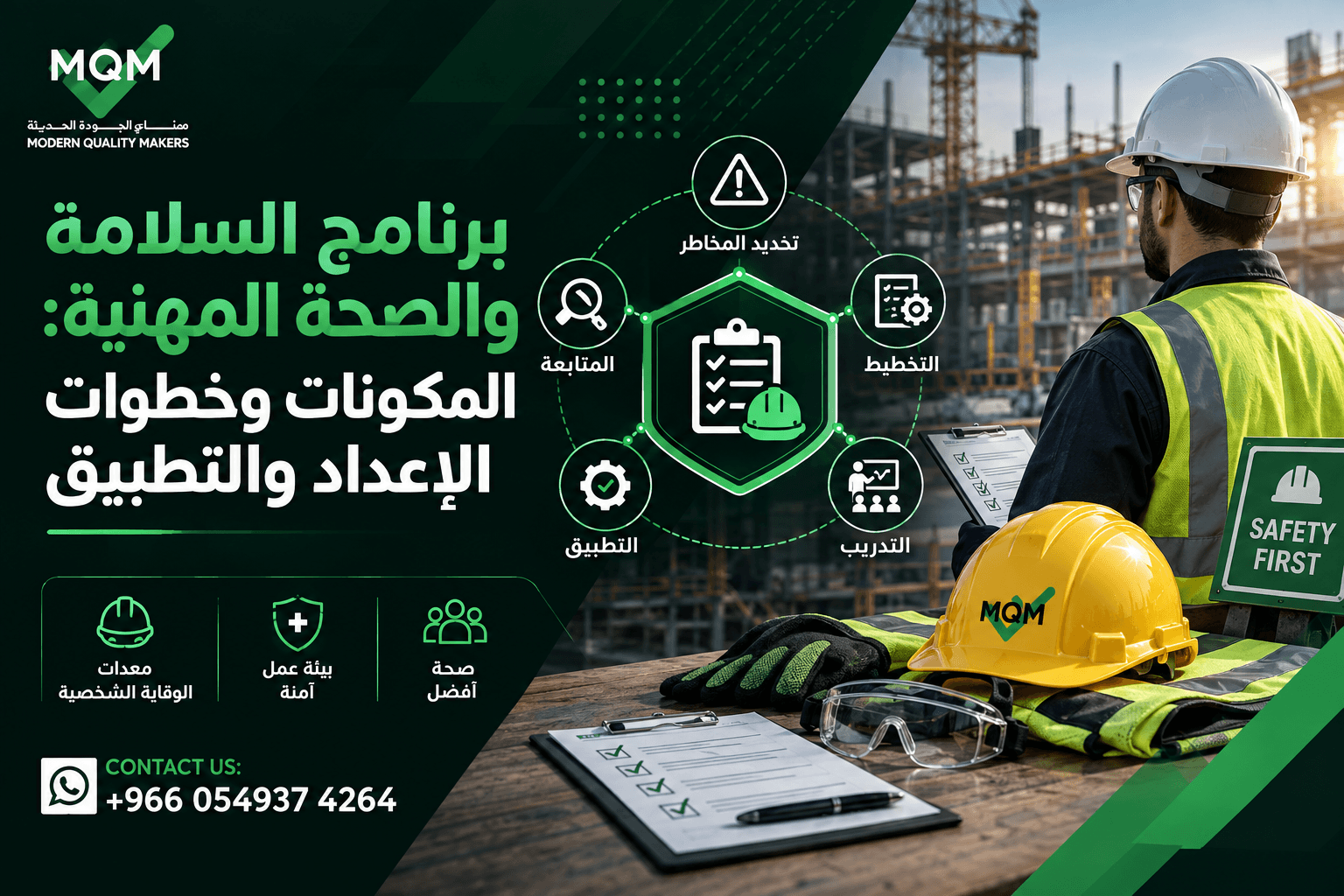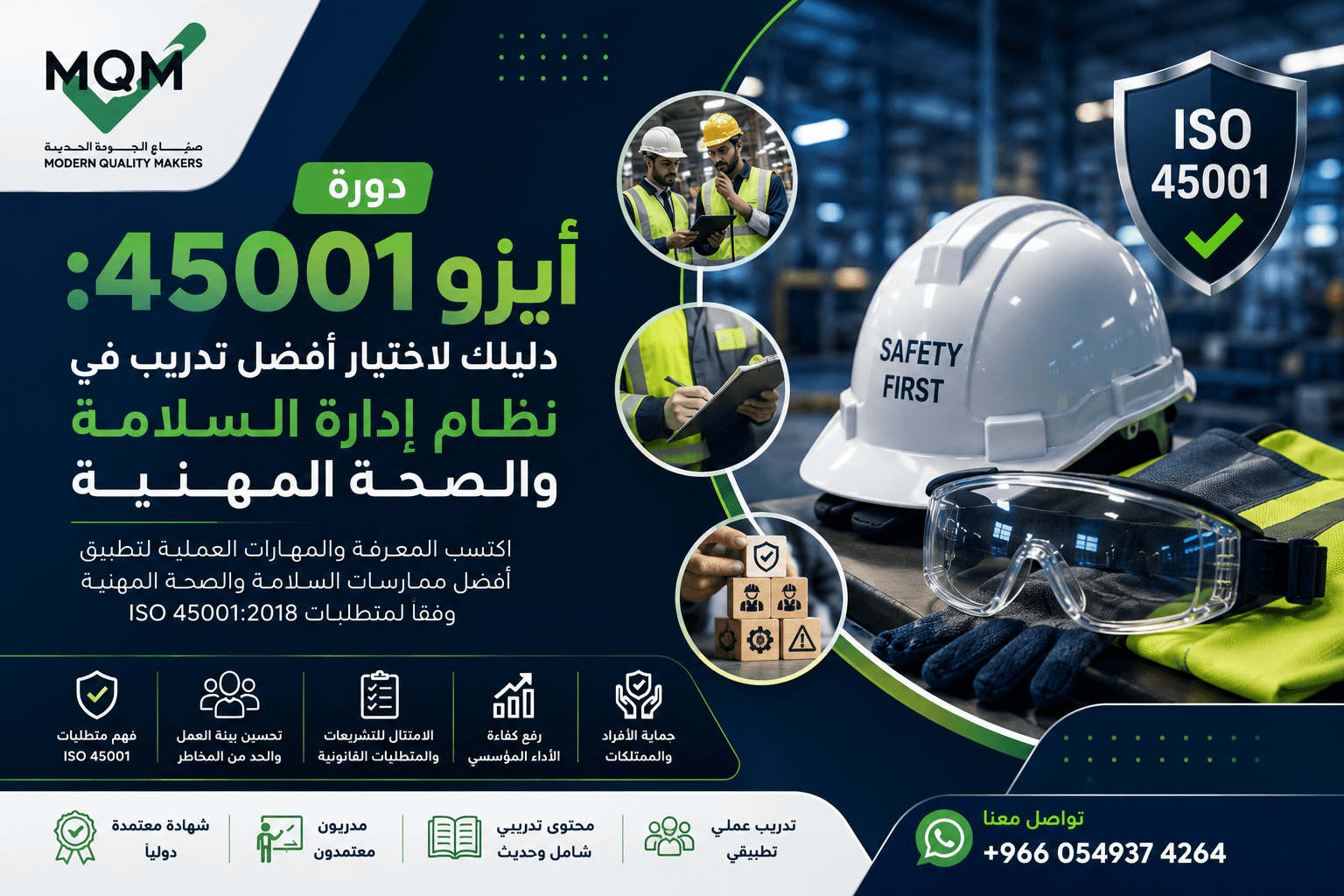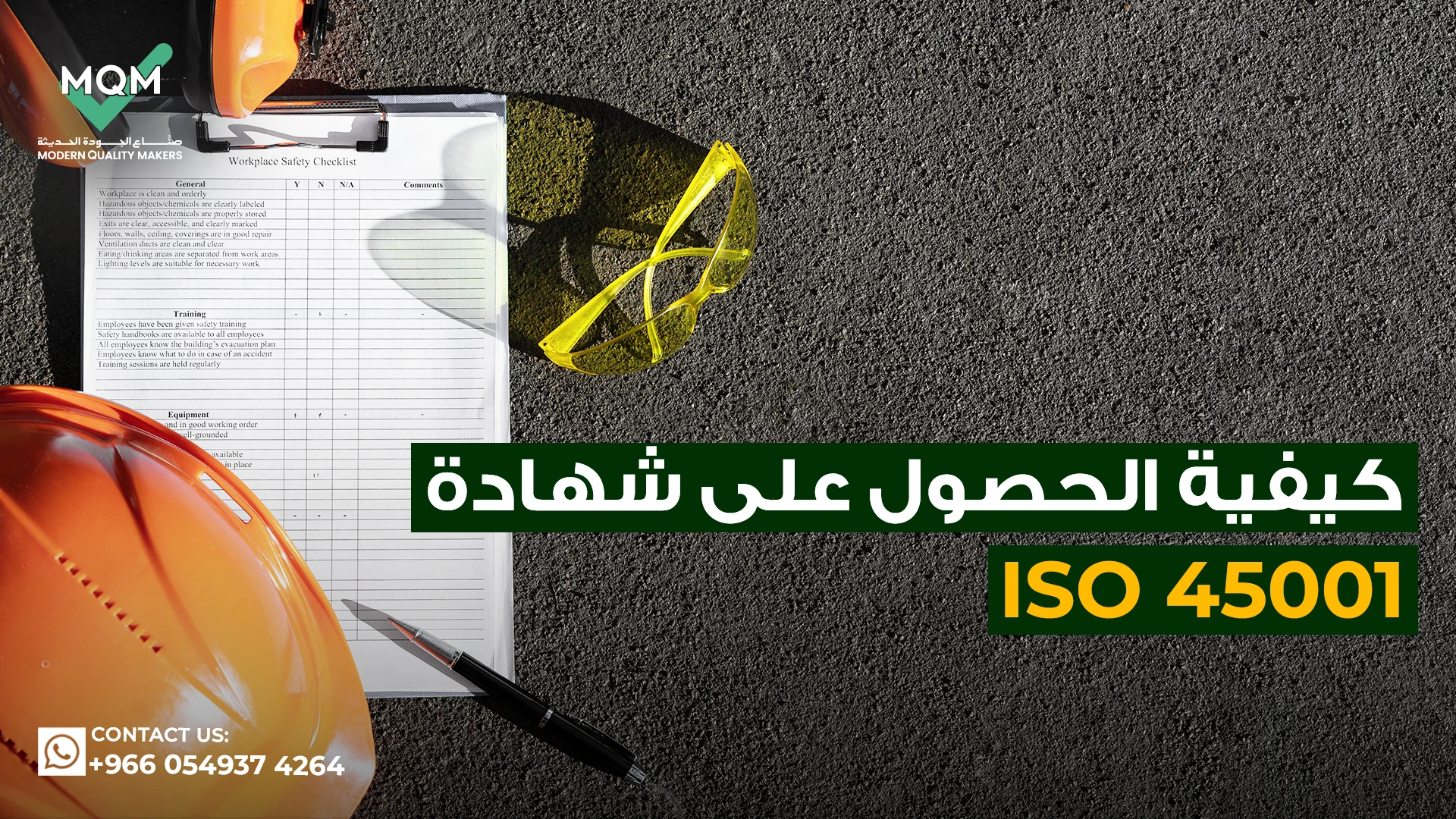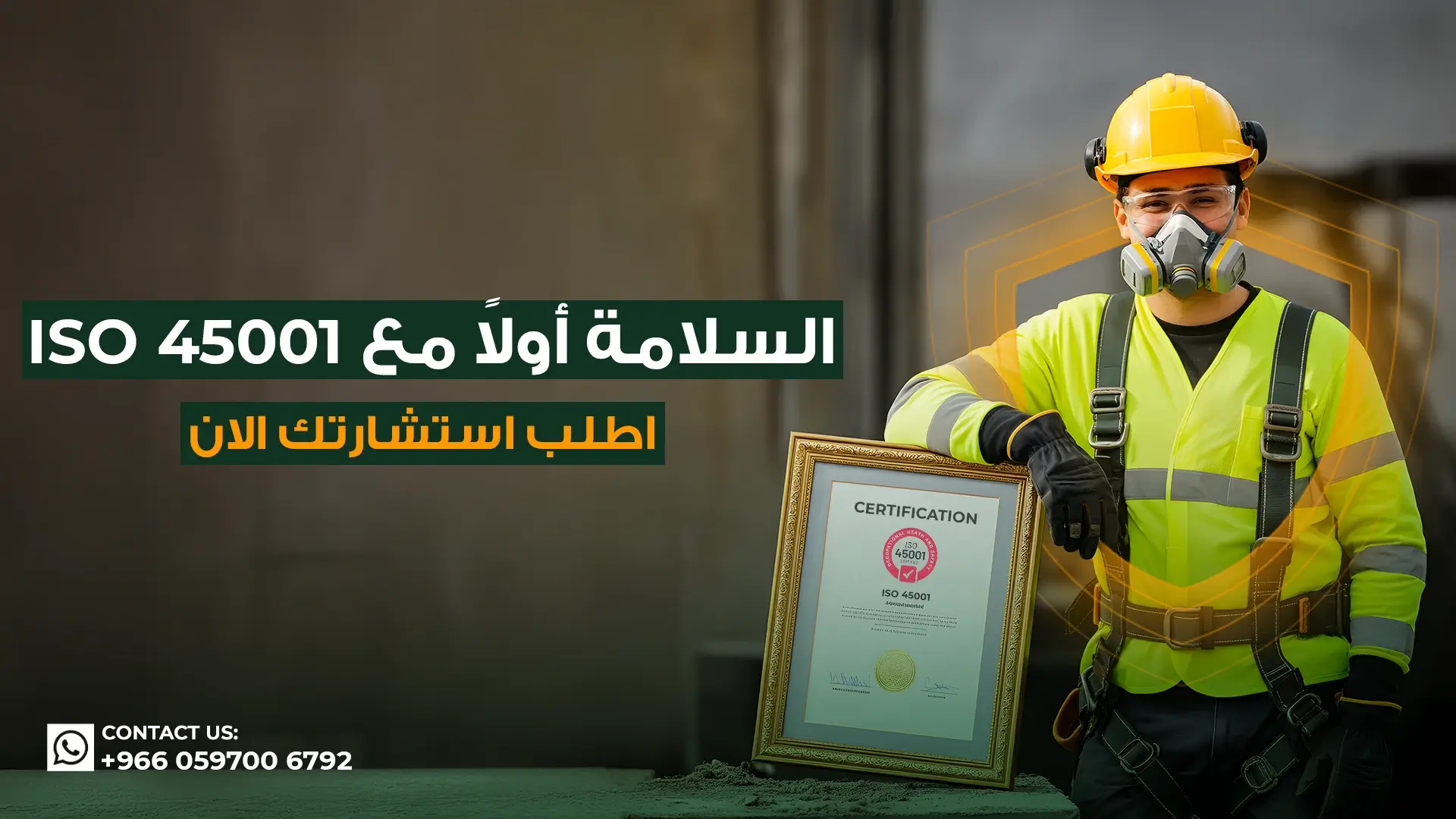
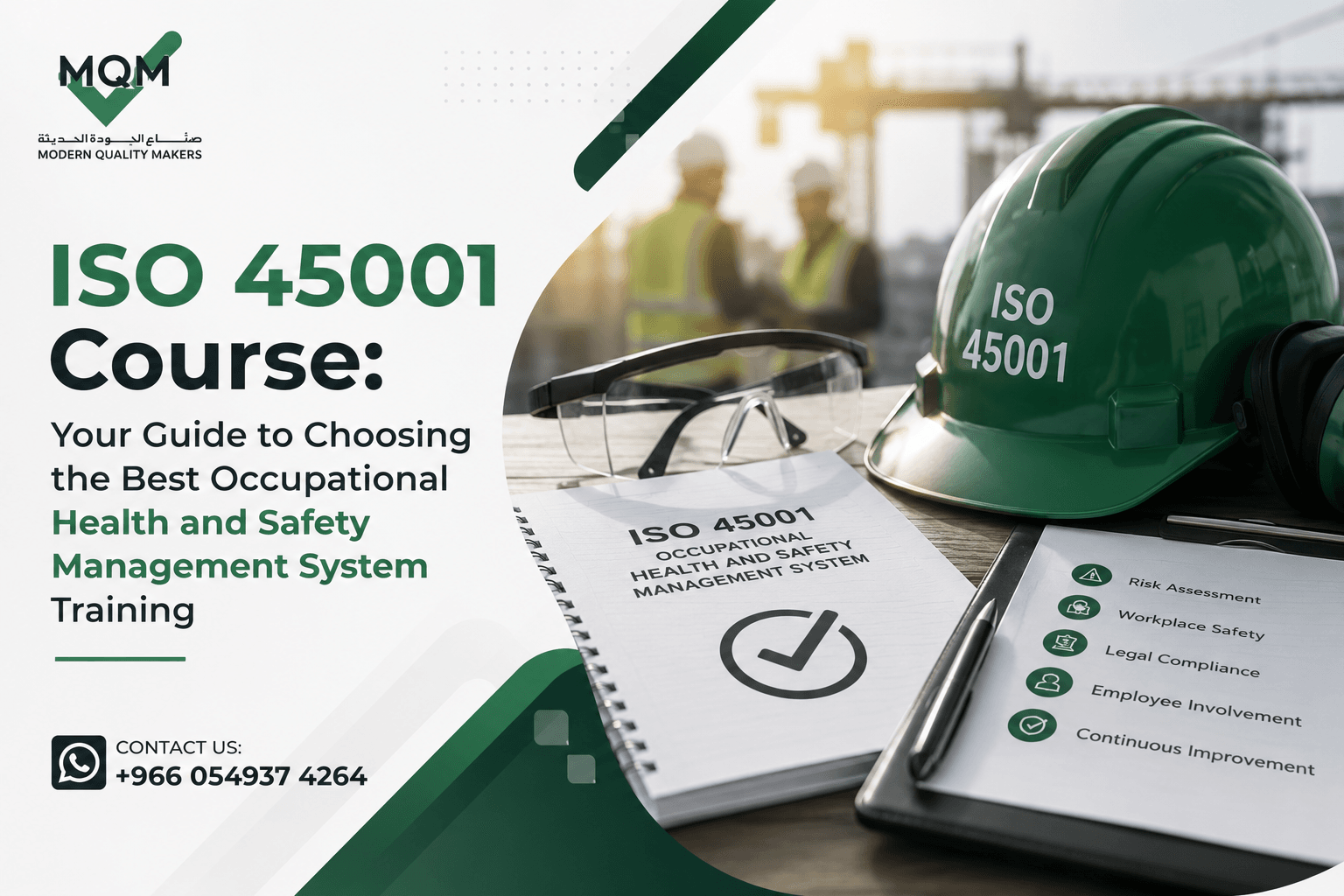
If you work in occupational health and safety, quality, risk management, or want to develop your career in management systems, an ISO 45001 course can be an important training program that helps you understand the Occupational Health and Safety Management System in a practical and organized way.
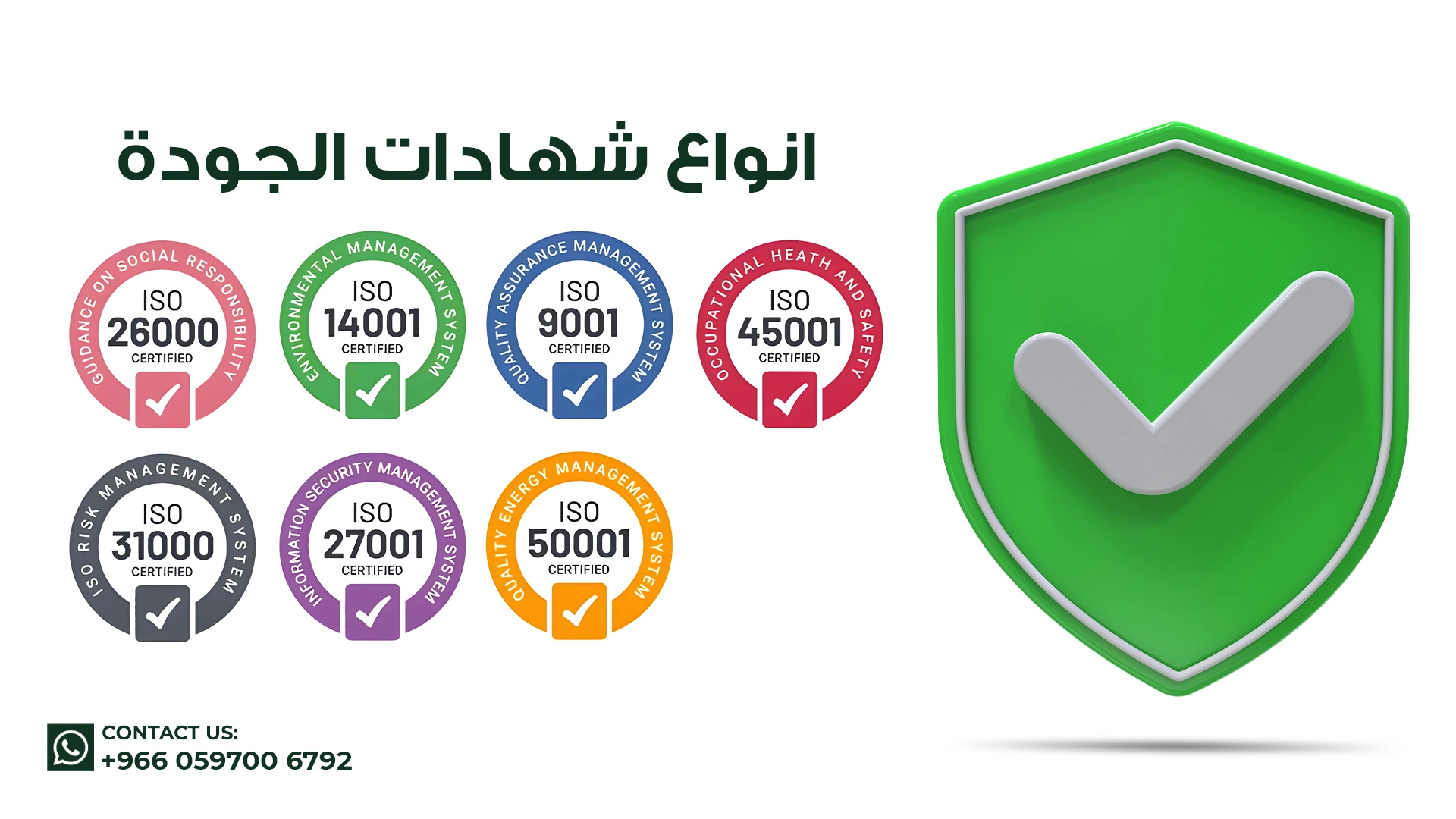
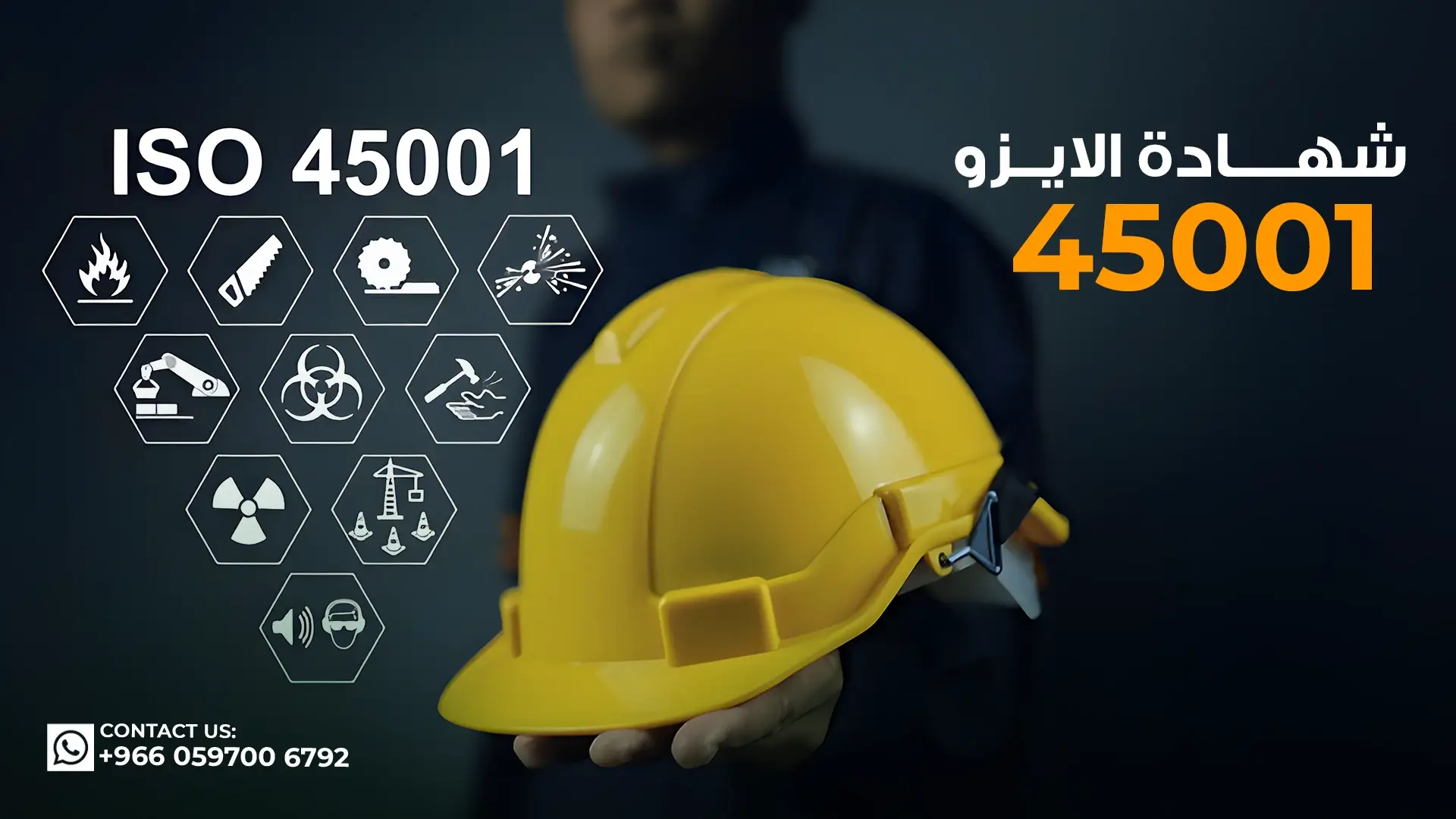
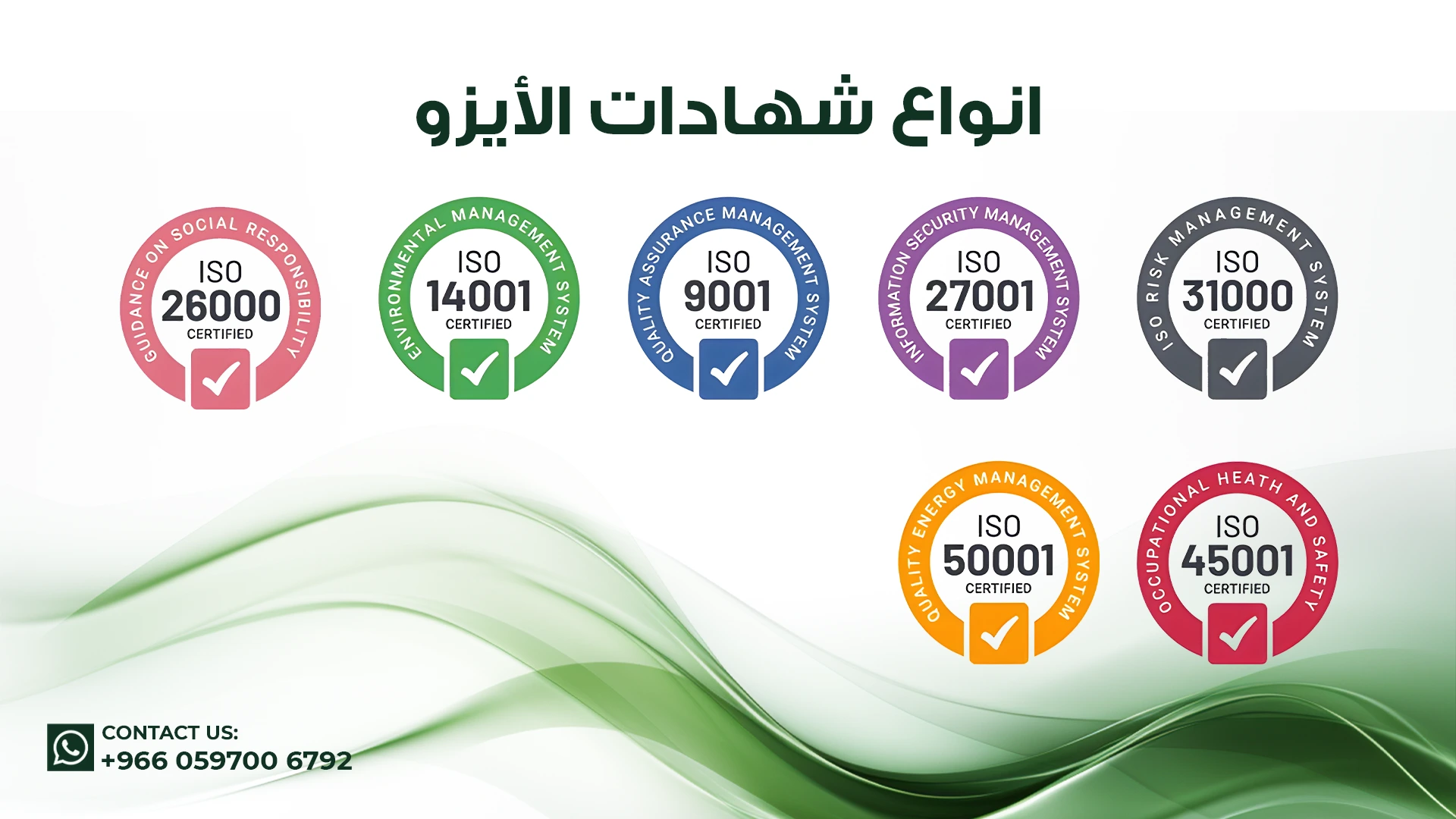
ISO 45001 is an international standard for Occupational Health and Safety Management Systems. It aims to help organizations identify and manage occupational risks, improve the work environment, and reduce the likelihood of accidents and injuries.
However, choosing the right ISO 45001 course does not depend on the course name alone. There is introductory training for beginners, specialized programs for implementing the system, and other programs focused on internal auditing and ISO 45001 Lead Auditor training. Therefore, this guide explains the different types of courses, what trainees learn, the differences between them, and how to choose the right program for your career goals.
What Is an ISO 45001 Course?
An ISO 45001 course is a training program that introduces trainees to the requirements of the ISO 45001 standard and explains how to understand and implement an Occupational Health and Safety Management System within organizations.
The course covers essential topics such as identifying and assessing occupational risks, determining appropriate actions and controls, setting occupational health and safety objectives, monitoring performance, responding to emergencies, and implementing improvements and corrective actions.
The course is not intended simply to teach trainees to memorize the clauses of the standard. Instead, it focuses on understanding how the system requirements are connected to the organization’s daily operations.
An organization seeking ISO 45001 certification needs to implement an Occupational Health and Safety Management System and evaluate it through review and audit processes in accordance with the requirements of the standard.
Why Should You Study ISO 45001?
Understanding Occupational Health and Safety Management Systems has become important for many roles related to risk management, operations, quality, and safety.
Through ISO 45001 training, trainees can develop their understanding of how to identify occupational risks in the workplace, assess risks and prioritize how they should be addressed, choose appropriate measures to reduce risks, understand the responsibilities of management and employees, monitor occupational health and safety performance indicators, deal with nonconformities and corrective actions, participate in audit and review processes, and support the continual improvement of the Occupational Health and Safety Management System.
These skills make the training more closely connected to actual work rather than limiting it to theoretical information.
What Will You Learn in an ISO 45001 Course?
The topics covered in an ISO 45001 course depend on the level of the program. However, effective training should provide trainees with an understanding of the main elements of an Occupational Health and Safety Management System.
Understanding the ISO 45001 Standard
Trainees learn about the concept of the standard, its purpose, how it is used within organizations, and the relationship between management system requirements and daily operations.
Identifying and Assessing Occupational Risks
Trainees learn how to identify sources of hazards that may affect workers, understand risk assessment methodologies, and determine the actions required to control those risks.
Understanding System Requirements
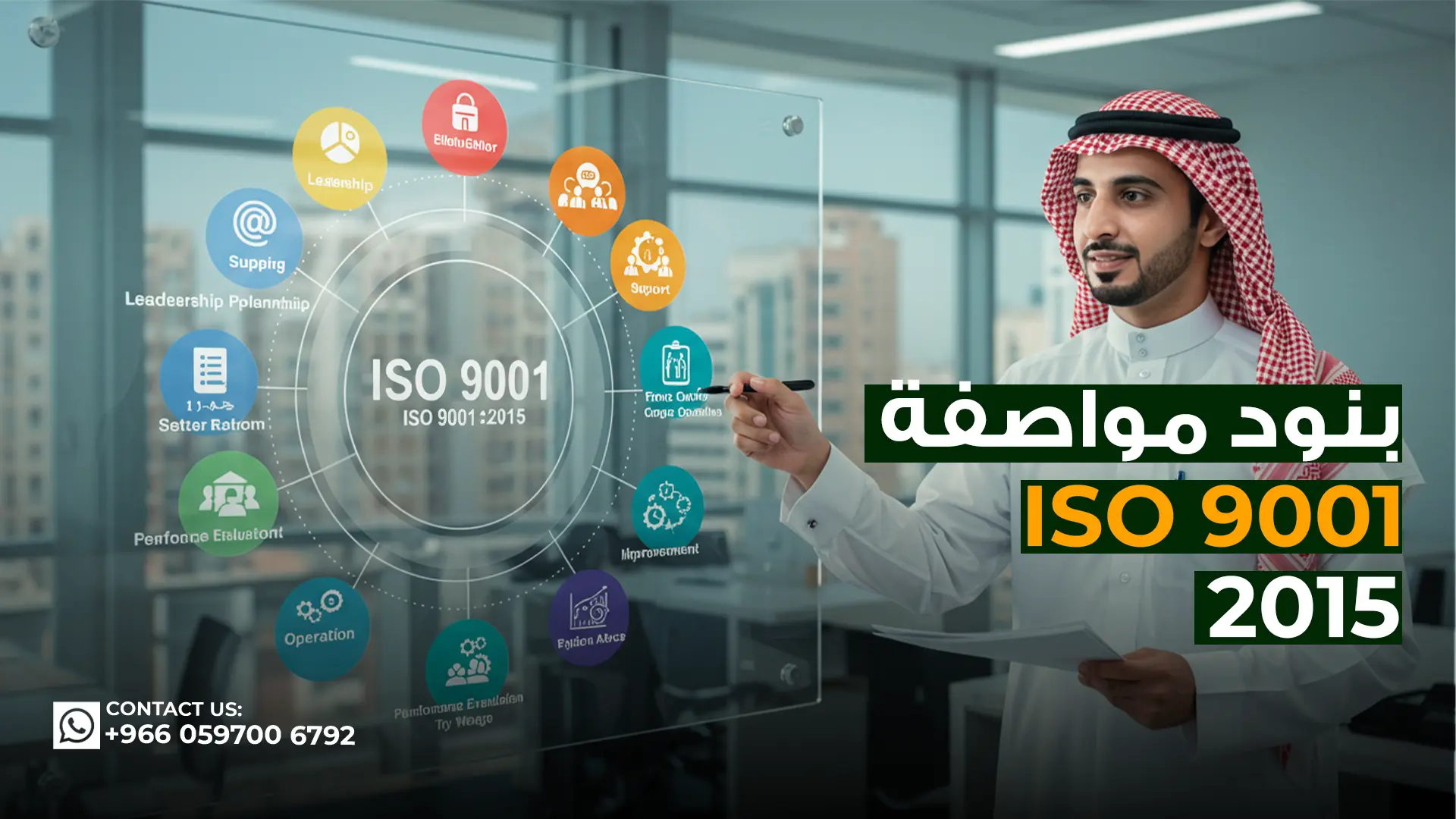
The training covers topics such as the organization’s context, leadership and worker participation, planning, support, operation, performance evaluation, and improvement.
Auditing and Improvement
Depending on the program level, trainees learn about internal auditing principles, evaluating evidence, identifying nonconformities, following up on corrective actions, and identifying opportunities for improvement.
What Are the Main Topics of an ISO 45001 Occupational Health and Safety Course?
A good ISO 45001 course includes a range of topics related to Occupational Health and Safety Management, including the concept of the Occupational Health and Safety Management System, the objectives and requirements of ISO 45001, the organization’s context and the scope of the management system, leadership and worker participation, identifying risks and opportunities, occupational risk assessment, legal and regulatory requirements, planning and setting safety objectives, competence, training and awareness, operational controls, emergency preparedness and response, monitoring and measuring performance, internal auditing, management review, nonconformities and corrective actions, and continual improvement.
The importance of these topics lies in connecting the training to the actual components of the Occupational Health and Safety Management System rather than simply providing a theoretical introduction to the standard.
What Are the Types of ISO 45001 Courses?
Not all ISO 45001 courses are designed for the same audience. Therefore, it is important to understand the differences between training levels before registering.
ISO 45001 Course for Beginners
This course focuses on the basic concepts of the standard and the Occupational Health and Safety Management System. It is suitable for people who are beginning to learn about ISO 45001.
ISO 45001 Foundation
This program aims to build a knowledge base around the standard, its requirements, and its terminology. It can be a suitable step before moving on to specialized training.
ISO 45001 Lead Implementer
This program focuses on implementing the Occupational Health and Safety Management System within an organization. It is therefore suitable for employees involved in establishing, developing, and implementing the system.
ISO 45001 Auditor Course
This course focuses on auditing and review skills, such as planning an audit, collecting evidence, evaluating conformity, and preparing audit findings.
ISO 45001 Lead Auditor
The ISO 45001 Lead Auditor program is more specialized in the field of auditing. It is suitable for individuals who want to develop their skills in auditing Occupational Health and Safety Management Systems.
What Is the Difference Between an ISO 45001 Course and ISO 45001 Lead Auditor?
The main difference is the purpose of the training.
| Program | Purpose |
| ISO 45001 Course | Understand the standard and the Occupational Health and Safety Management System |
| ISO 45001 Foundation | Build a basic knowledge of the standard |
| Lead Implementer | Learn how to implement and establish the system |
| Internal Auditor | Learn the fundamentals of internal auditing |
| ISO 45001 Lead Auditor | Develop advanced auditing skills |
Therefore, if you want to understand the standard for the first time, you do not necessarily need to start with Lead Auditor training.
However, if your goal is to work in auditing or evaluate management systems, choosing an ISO 45001 Auditor Course or ISO 45001 Lead Auditor program is more closely aligned with this career path.
Who Can Attend an ISO 45001 Course?
An ISO 45001 course can be suitable for many professional groups, including occupational health and safety professionals, safety engineers, quality and environmental professionals, risk management professionals, management system professionals, supervisors and operations managers, internal auditors, engineers and technicians involved in operational processes, and individuals who want to develop their careers in occupational health and safety.
Beginners can also start with a foundation-level program appropriate for their level of experience before moving on to advanced programs.
What Skills Will You Gain from ISO 45001 Training?
ISO 45001 training helps develop a range of practical skills that vary according to the course level. These include understanding the requirements of the Occupational Health and Safety Management System, identifying occupational risks, assessing risks and selecting appropriate controls, understanding roles and responsibilities within the system, monitoring performance indicators, dealing with nonconformities, understanding internal audit procedures, preparing and following up on corrective actions, identifying opportunities for improvement, and participating in the development of an Occupational Health and Safety Management System.
These skills can help professionals perform their responsibilities in a more organized manner, particularly in organizations that are implementing or preparing to implement ISO 45001.
How Do You Choose the Right ISO 45001 Course for Your Career Path?
Before choosing an ISO 45001 course, ask yourself: What do I want to achieve after completing the training?
If You Are a Beginner
Start with a foundation course that explains the basic concepts of the standard and the Occupational Health and Safety Management System.
If You Work in Safety
Choose a program that includes applications related to hazard identification, risk assessment, operational controls, emergency situations, and performance evaluation.
If You Are Responsible for Implementing the System
It is preferable to choose a program that focuses on implementation, such as Lead Implementer, along with practical study of the system requirements.
If You Want to Work as an Auditor
Choose a specialized auditing program such as Internal Auditor or ISO 45001 Lead Auditor, depending on your level of experience and career goals.
Before Registering, Review These Points
Review the training program content, course level, trainer’s experience, training duration, training method and practical application, examination and passing requirements if applicable, the type of certificate awarded to trainees, and the organization providing the program.
Does an ISO 45001 Course Provide a Certificate?
An ISO 45001 course may provide trainees with a training or completion certificate. The type of certificate varies according to the nature of the program and the organization providing it.
It is important to distinguish between an individual training certificate and an ISO 45001 certification for an organization.
An organization’s certification is related to implementing and evaluating an Occupational Health and Safety Management System through an independent certification body according to the requirements of the standard, while a training certificate confirms that an individual has completed a specific training program.
Therefore, a training attendance certificate should not be considered equivalent to an ISO 45001 conformity certification for an organization.
What Are the Benefits of ISO 45001 Training?
Specialized training can help develop professional knowledge in occupational health and safety, understand risk management methodologies, improve the ability to deal with ISO 45001 requirements, build a suitable foundation for internal auditing, support career development in management systems, understand the relationship between safety and daily operations, and develop the ability to participate in continual improvement.
The benefits of implementing ISO 45001 within an organization are a separate topic related to risk management, improving the work environment, and complying with relevant requirements.
What Is the Relationship Between ISO 45001 Training, Auditing, and Risk Assessment?
There is a direct relationship between training and the nature of work within an Occupational Health and Safety Management System. Understanding risk assessment helps trainees learn how to identify hazards and determine appropriate controls, while auditing programs help evaluate the extent to which the system has been implemented and its effectiveness.
For this reason, trainees should choose a program according to their professional role. Someone responsible for risk assessment may need different content from someone who aims to work as a management systems auditor.
What Should You Know Before Registering for an ISO 45001 Course?
Before paying for any training program, make sure the course matches your actual goal.
If you want basic knowledge, you do not need an advanced auditing program.
If you want to implement an ISO 45001 system within an organization, look for training that focuses on implementation rather than basic introduction alone.
If your goal is auditing management systems, choose a specialized auditing program and check the admission, examination, and certification requirements.
This makes choosing training a professional decision based on your needs rather than simply searching for the most popular course name.
Why Choose Quality Makers for Training and Consulting?
Quality Makers works in qualification and training related to ISO standards and provides content and services related to various management systems, including the Occupational Health and Safety Management System ISO 45001.
You can contact the MQM team to learn about the training program that best suits your level and career goals, as well as benefit from specialized content covering the requirements and implementation of ISO 45001.
Frequently Asked Questions About ISO 45001 Courses
What is an ISO 45001 course?
It is a training course that explains the requirements of the Occupational Health and Safety Management System and helps trainees understand risk management and the implementation and improvement of the system within an organization.
Where can I take ISO courses in Saudi Arabia?
You can take ISO courses in Saudi Arabia through Quality Makers, which provides specialized training programs for ISO standards, including ISO 45001, according to your professional needs and level.
What is the ISO 45001 test?
It is an assessment that may be included in some training programs to measure the trainee’s understanding of the standard’s requirements and their ability to implement or audit it, depending on the type of course.
What are the ISO 45001 standards?
They are the requirements of an Occupational Health and Safety Management System that help an organization identify and manage risks, comply with relevant requirements, monitor performance, and achieve continual improvement.
What does a trainee learn in an ISO 45001 course?
Trainees learn about risk identification and assessment, system requirements, operational controls, emergency preparedness, performance evaluation, auditing, and continual improvement.
Who can attend an ISO 45001 course?
The course is suitable for occupational health and safety professionals, engineers, quality and management system professionals, auditors, and beginners who want to develop their careers.
What is the difference between an ISO 45001 course and a Lead Auditor course?
The basic course focuses on understanding system requirements, while the Lead Auditor course focuses on auditing and evaluating the Occupational Health and Safety Management System.
Why is ISO 45001 training important?
Training helps professionals understand occupational risk management, improve their ability to implement and audit the system, and support career development in occupational health and safety.
What is the best ISO 45001 course for beginners?
Beginners are generally better suited to an introductory or Foundation course to understand the basics of the standard before moving on to Lead Auditor or Lead Implementer programs.
Is ISO 45001 a certification for an employee or an organization?
ISO 45001 certification applies to an organization’s management system, while a trainee receives a training certificate after completing the training program according to its requirements.
Conclusion
Choosing the right ISO 45001 course depends on your current experience and the goal you want to achieve. A beginner needs a strong foundation in the standard, while someone responsible for implementation needs more specialized training, and an auditor needs a program focused on auditing and evaluation skills.
Therefore, do not simply search for the best ISO 45001 course. Look for a course that matches your career path, provides clear content and practical applications appropriate for your level, and offers a certificate that fits your training objective.
Start by defining your goal, then choose the appropriate training level and benefit from MQM’s specialized content to develop your knowledge of the Occupational Health and Safety Management System.
Start Your Professional Journey with Quality Makers
Are you looking for an ISO 45001 course that can help you develop your skills and understand the Occupational Health and Safety Management System in a practical way?
Contact Quality Makers today to learn about training programs suitable for your level and career goals, whether you are a beginner, work in occupational health and safety, or want to develop your skills in auditing and implementing management systems.
Choose the right training for your career path and start developing your ISO 45001 expertise with Quality Makers.