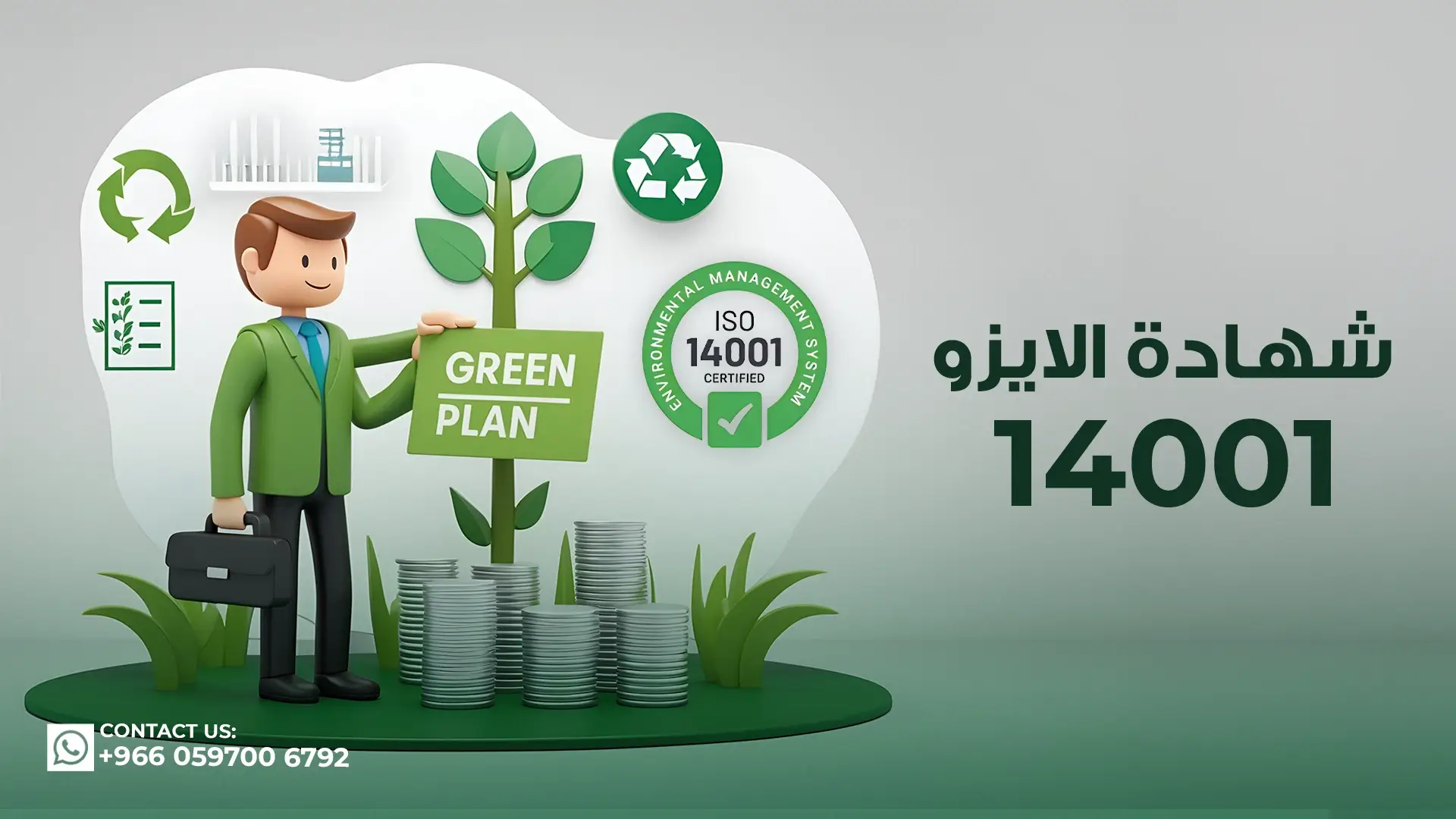

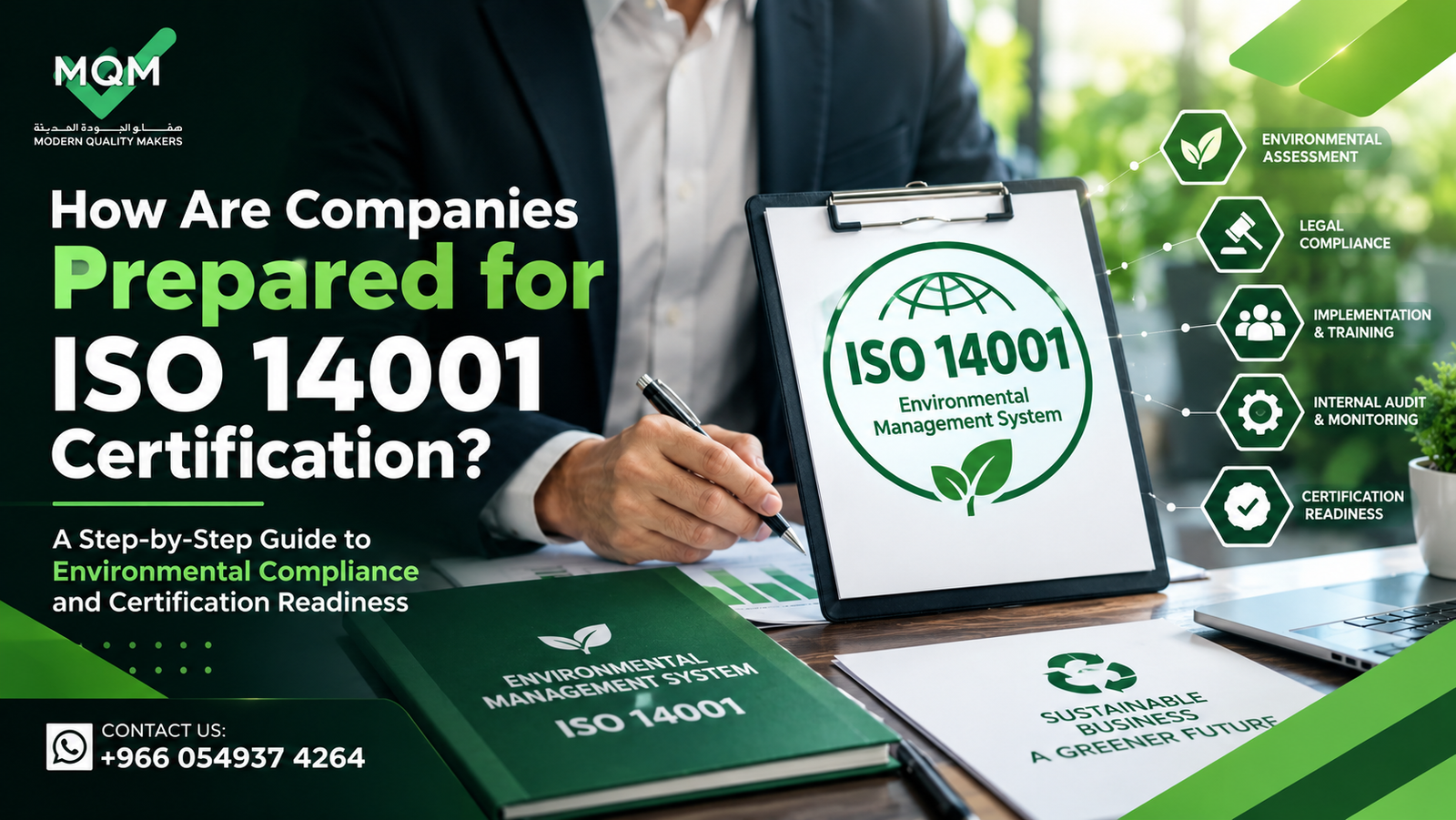
Environmental performance and compliance with environmental requirements have become important parts of corporate management and operational development. As a result, many organizations seek to implement an environmental management system in accordance with ISO 14001 to manage the environmental impact of their activities, improve resource use, reduce waste and pollution, and strengthen their ability to address environmental obligations.
The process of preparing companies for ISO 14001 certification begins with understanding the nature of the business and identifying its environmental aspects and impacts. It then involves reviewing legal requirements, developing policies and procedures, implementing the system and monitoring its results, and ultimately conducting an internal audit and preparing for the external audit.
At Quality Makers, we help you understand the preparation requirements, assess your company’s readiness, and identify areas that need development in line with the nature of your business and the intended scope of the environmental management system.
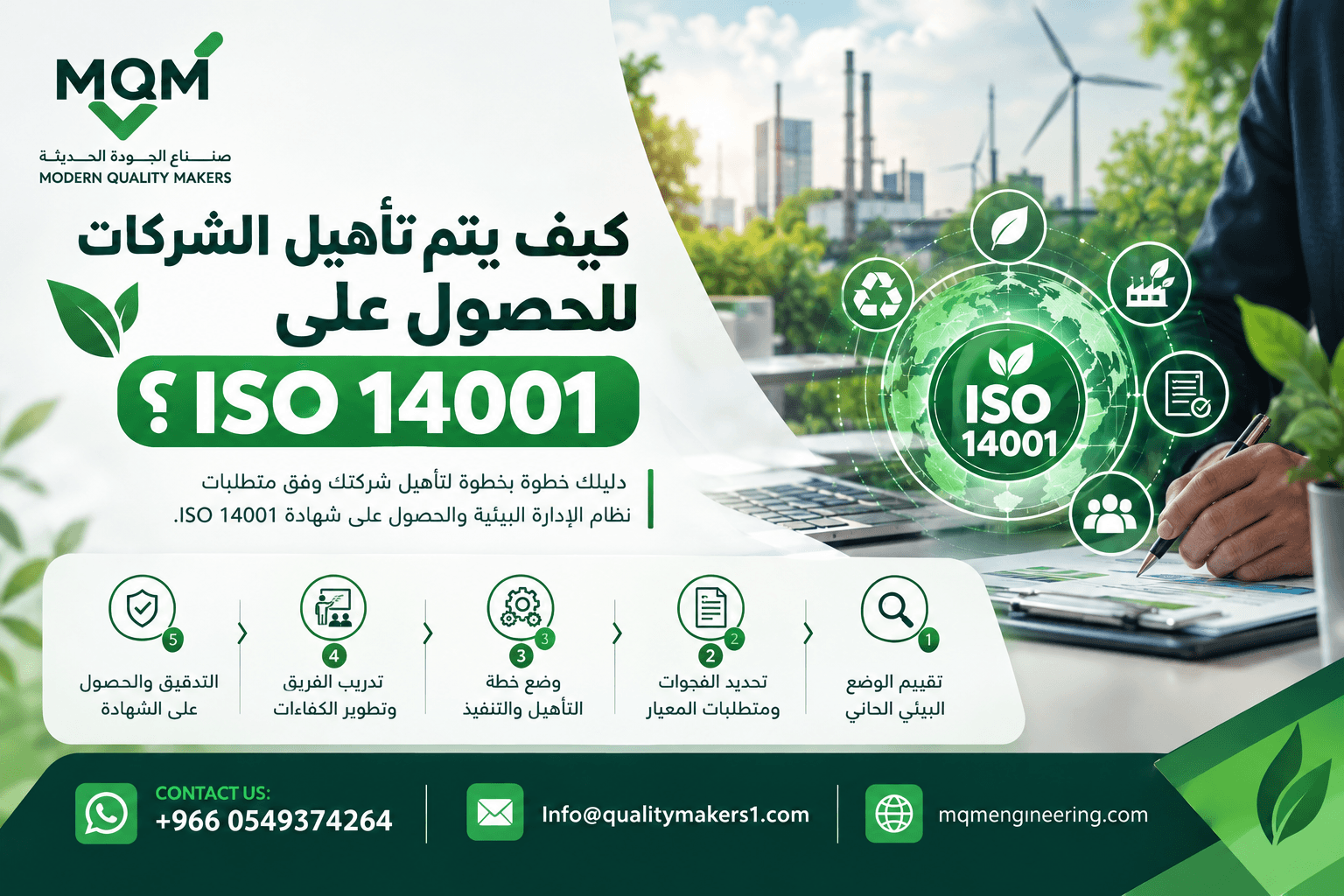
Preparing companies for ISO 14001 certification helps establish a clear plan for implementing an environmental management system, from assessing the current situation to monitoring performance and preparing for the external audit.
What Does Preparing Companies for ISO 14001 Certification Mean?
Preparing companies for ISO 14001 certification means getting an organization ready to implement an environmental management system that conforms to the standard’s requirements. This involves reviewing existing operations, identifying environmental impacts, and developing the procedures needed to manage and monitor those impacts and improve performance over time.
Preparation is not limited to creating a set of documents or policies. It also includes putting the system into practice throughout the company, assigning responsibilities, providing appropriate employee training, and maintaining records that demonstrate implementation and the monitoring of results.
The approach to preparing companies for ISO 14001 certification varies from one company to another. Preparation requirements vary from one company to another depending on the organization’s size, the nature of its products or services, work locations, environmental aspects associated with its activities, and relevant legal and contractual obligations.
For example, the environmental aspects of a factory that uses chemicals and generates industrial waste differ from those of a company providing office services. Therefore, preparation should be based on a realistic assessment of the company’s operations, rather than applying uniform procedures without considering the nature of its activities.
Preparing companies for ISO 14001 certification helps turn environmental requirements into practical procedures suited to the business, while defining responsibilities and performance indicators that can be used to monitor results and measure opportunities for improvement.
What Is ISO 14001 and an Environmental Management System?
ISO 14001 is an international standard that specifies requirements for establishing, implementing, maintaining, and continually improving an environmental management system. It helps organizations manage their environmental responsibilities in a structured way, identify impacts associated with their activities, address relevant obligations, and set measurable objectives.
ISO 14001:2026 is the latest edition of the standard and was published in April 2026. Companies beginning the preparation process or planning to transition from a previous edition should therefore review the requirements of the edition appropriate to their scope and implementation plan.
For the official reference, consult the ISO 14001 standard page published by the International Organization for Standardization.
As part of preparing companies for ISO 14001 certification, the environmental management system is based on continual improvement, including planning, implementation, checking results, and taking the necessary improvement actions. This approach helps a company move from reacting to environmental problems after they occur to managing them in a more organized and proactive way.
It is important to clarify that implementing the standard does not automatically mean that a company has no environmental impact. Rather, it means having a system for managing those impacts within a defined scope, monitoring performance, and improving it based on results and relevant obligations.
What Are the Requirements for Obtaining ISO 14001 Certification?
The requirements for obtaining ISO 14001 certification depend on implementing an environmental management system that conforms to the standard within the company’s defined scope. The main requirements for preparing companies for ISO 14001 certification include:
- Understanding the company’s context: Identify the nature of the business, its processes and locations, and the internal and external factors that affect the environmental management system.
- Identifying environmental aspects and impacts: Examine activities that may affect the environment, such as energy and water consumption, emissions, waste, and the use of raw materials.
- Identifying legal obligations: Determine the laws, regulations, permits, and other requirements related to the business, and establish how compliance will be monitored.
- Top management support: Ensure management commitment and provide the resources needed, while defining roles and responsibilities related to the system.
- Developing an environmental policy and objectives: Establish a clear policy and objectives appropriate to the company, with indicators that help measure progress.
- Identifying risks and opportunities: Examine potential environmental risks and opportunities that could improve performance.
- Ensuring competence and awareness: Train relevant employees and clarify their responsibilities and the procedures they must follow.
- Operational control: Establish operational controls for activities with environmental impacts and prepare to address potential emergencies.
- Performance monitoring: Determine what needs to be measured and monitored, and maintain appropriate records.
- Internal audit and management review: Verify that the system has been implemented and is effective, and address any shortcomings.
Having these elements on paper is not enough. They must be implemented in a way that suits the company’s activities, with appropriate evidence of implementation, control, and improvement.
Preparing companies for ISO 14001 certification depends on how these requirements are implemented in the workplace, not merely on listing them in documents. Each requirement should therefore be linked to a clear procedure, an assigned person responsible, and suitable evidence of implementation.
What Are the Steps for Preparing a Company to Implement ISO 14001?
Preparing companies for ISO 14001 certification involves several connected stages. These should be adapted to the size of the business, the system’s scope, and the requirements of the applicable edition.
1. Assess the Company’s Current Situation
Preparation begins with an assessment of how environmental aspects are currently managed within the organization and whether policies, procedures, and records are already in place.
The assessment includes reviewing processes, work locations, responsibilities, and current practices, then comparing the actual situation with ISO 14001 requirements. This step helps identify gaps, set priorities, and develop the action plan needed for preparation.
2. Identify Environmental Aspects and Impacts
The company identifies activities and processes that interact with or may affect the environment, then evaluates the related impacts using a defined approach.
Depending on the nature of the business, environmental aspects may include electricity and water consumption, raw material use, waste generation, emissions, wastewater discharge, and the storage of hazardous materials.
The company then identifies the most significant aspects and establishes suitable controls and objectives to manage and monitor them.
3. Identify Legal Requirements and Obligations
The company needs to identify the environmental laws and regulatory requirements that apply to its activities and locations, along with contractual obligations and any other requirements it has chosen to follow.
This includes determining how to access up-to-date information, assigning responsibility for monitoring requirements, and retaining the evidence needed to evaluate compliance. The company should not rely on a generic list of requirements without checking whether they apply to its activities and location.
4. Develop Policies and Procedures
After assessing gaps and environmental aspects, the company develops the documented information needed to manage the system. This may include an environmental policy, operational procedures, assigned responsibilities, methods for recording results, and processes for handling nonconformities.
Documents should reflect actual work practices, be easy to use and update, and not become formal paperwork that fails to represent the organization’s day-to-day activities.
5. Set Environmental Objectives
The company sets environmental objectives appropriate to its significant aspects and strategic direction, along with indicators to measure progress.
Objectives may include reducing energy or water consumption, improving waste segregation, reducing losses, or increasing compliance with procedures for storing and handling materials. Responsibilities, resources, time frames, and evaluation methods should be defined for each objective as appropriate.
6. Training and Awareness
Employees need to understand the environmental policy, the procedures relevant to their responsibilities, the environmental risks associated with their tasks, and how to report problems or emergencies.
Training should match the nature of each role within the company. For example, the needs of production or warehouse employees may differ from those of administrative staff or maintenance personnel.
7. Implement and Monitor the System
At this stage, the company begins applying environmental procedures and controls in its daily operations and establishes how compliance will be monitored and results recorded.
Implementation may include monitoring resource consumption, controlling waste management, tracking equipment maintenance, verifying that operational procedures are followed, and updating records when needed.
This stage is essential to demonstrate that the environmental management system is functioning in practice, rather than being merely a collection of documents prepared for an audit.
8. Conduct an Internal Audit and Management Review
The company conducts an internal audit to verify the system’s conformity with ISO 14001 requirements and internal procedures, as well as its implementation and effectiveness.
The results are then analyzed and shortcomings addressed. Top management reviews system performance, progress toward objectives, required resources, and any changes that may call for additional action.
9. Prepare for the External Audit
After preparation is complete and significant findings have been addressed, the company reviews its readiness for the external audit. This includes the certification scope, documents and records, implementation of controls, internal audit results, and treatment of nonconformities.
An independent certification body conducts the certification audit and makes its decision in accordance with its procedures. Using a consultant or support provider during preparation does not guarantee certification; the decision depends on the assessment results and the extent to which requirements have been met.
It is important to carry out the stages of preparing companies for ISO 14001 certification according to a realistic timeline, addressing gaps according to priority and reviewing implementation results before moving on to the external audit.
How Long Does It Take to Prepare a Company for ISO 14001 Certification?
The timeline for preparing companies for ISO 14001 certification varies; there is no single timeline that suits every company. The preparation period depends on the organization’s size, the number of locations, the complexity of its operations, the extent of the gaps identified in the initial assessment, and the readiness of its employees, procedures, and records.
A company with an organized environmental system and existing procedures may need less time than a company starting from scratch or operating several complex processes with environmental impacts.
For a realistic estimate, it is best to begin with a readiness assessment and then develop a plan covering implementation, training, internal auditing, addressing findings, and preparation for the external audit.
What Is the Role of Internal Auditing Before Certification?
An internal audit helps verify that the environmental management system is implemented and effective, and that procedures and records conform to the standard’s requirements and the system adopted by the company.
An audit can reveal shortcomings before the external audit, such as incomplete records, weak monitoring of environmental objectives, unclear responsibilities, or procedures that are not being followed as specified.
Internal auditing should not be treated as a formality intended only to pass the external audit. It is a tool for improvement and should be conducted objectively, with findings documented and corrective actions followed up.
Internal auditing completes the stages of preparing companies for ISO 14001 certification by checking the effectiveness of procedures and identifying opportunities for improvement before the external audit.
What Common Mistakes Should Be Avoided When Preparing a Company?
Common mistakes that can undermine preparing companies for ISO 14001 certification include:
- Copying ready-made templates and procedures without adapting them to the business.
- Preparing documents without implementing them in daily operations.
- Overlooking significant environmental aspects and impacts.
- Failing to monitor relevant legal requirements and obligations.
- Setting broad environmental objectives without measurable indicators.
- Failing to train employees or clarify their responsibilities.
- Postponing the internal audit until shortly before the external audit.
- Failing to address findings or retain evidence of the actions taken.
- Not clearly defining the scope of the environmental management system.
- Relying on outdated information about the standard without checking the applicable edition.
Avoiding these mistakes helps a company build a system that reflects its actual operations and reduces the likelihood of gaps that could have been identified and addressed earlier.
What Are the Benefits of Implementing ISO 14001 for Companies?
Implementing an environmental management system as part of preparing companies for ISO 14001 certification can deliver several benefits when it is suited to the company’s activities. These include:
Improved environmental performance: Identify significant impacts and establish controls and objectives to monitor them and reduce negative effects wherever possible.
Better management of environmental obligations: Identify applicable requirements, clarify monitoring responsibilities, and document the results of compliance evaluations.
More efficient use of resources: Measuring water, energy, and material consumption can reveal opportunities for improvement and waste reduction.
Stronger risk management: Identify potential environmental problems and prepare to respond to emergencies.
Greater trust among customers and partners: An implemented system and certification issued by an independent body may help demonstrate the company’s commitment to managing its environmental responsibilities, especially when these requirements matter to customers or supply chains.
Support for continual improvement: Monitor indicators, analyze audit results, review objectives, and take action to improve the system.
Actual results vary depending on management and employee commitment, the nature of the business, implementation quality, and the extent to which environmental management is integrated into daily operations and decisions.
How Can a Company Check Its Readiness for ISO 14001 Certification?
A company preparing for ISO 14001 certification can begin with a structured readiness assessment by reviewing the following points:
- Has the scope of the environmental management system been clearly defined?
- Have environmental aspects and impacts been identified and their significance evaluated?
- Have applicable legal requirements and obligations been identified?
- Are there a clear environmental policy, objectives, and assigned responsibilities?
- Are operational procedures being implemented and the required records maintained?
- Have employees received appropriate training and awareness sessions?
- Is there a process for monitoring environmental performance and evaluating compliance?
- Has an internal audit been conducted and its findings addressed?
- Has top management reviewed system performance and made the necessary decisions?
- Has the appropriate edition of the standard been identified, along with a plan for audit readiness?
This checklist provides a starting point for assessment, but it does not replace a full review of the standard’s requirements or a readiness evaluation based on the company’s scope and circumstances.
This assessment helps determine the organization’s level of readiness and clarify the remaining steps in preparing companies for ISO 14001 certification, rather than entering the external audit before significant shortcomings have been addressed.
Conclusion
Preparing companies for ISO 14001 certification requires coordination among management, employees, and process owners to ensure environmental requirements are implemented, performance is monitored, and gaps are addressed continuously.
The process of preparing companies for ISO 14001 certification is not simply a matter of completing documents. It depends on establishing an environmental management system that can be implemented, measured, and continually improved. Success begins with assessing the current situation and identifying environmental impacts and relevant obligations, followed by implementing procedures, training, and internal auditing before preparing for the external audit.
At Quality Makers, we help you assess your company’s readiness, understand ISO 14001 requirements, and identify gaps and preparation steps suited to your business, supporting the development of your environmental practices and a structured approach to audit readiness.
Is your company preparing to implement the ISO 14001 environmental management system?
Contact Quality Makers to discuss your company’s needs and determine the right steps for readiness assessment and preparation. Start building an environmental management system that fits your activities and supports continual improvement.
Frequently Asked Questions About Preparing Companies for ISO 14001 Certification
What are the requirements for obtaining ISO 14001 certification?
Certification requires an environmental management system that conforms to the standard. This includes identifying environmental aspects and impacts, relevant obligations, environmental policy and objectives, operational controls, performance monitoring, internal auditing, and improvement. An independent certification body evaluates whether the requirements have been met.
What are the conditions for obtaining ISO 14001 certification?
Among the main conditions are having an environmental management system implemented within a clearly defined scope, being able to demonstrate that requirements have been implemented, retaining appropriate evidence, and addressing nonconformities according to established procedures. Final readiness is determined based on the audit results.
How can I obtain ISO 14001 certification?
The process begins by defining the system’s scope and assessing the current situation. The company then identifies gaps, implements the requirements, trains employees, monitors performance, and conducts an internal audit. After that, it can apply to an independent certification body for a certification audit in accordance with that body’s procedures.
When needed, it is advisable to seek help from specialists to assess gaps or organize procedures, ensuring that preparing companies for ISO 14001 certification meets the organization’s needs and the scope of its environmental management system.
What are the steps for preparing a company for ISO 14001 certification?
The steps include assessing readiness, identifying environmental aspects and impacts, reviewing legal obligations, developing procedures and objectives, training employees, implementing the system, conducting an internal audit and management review, and preparing for the external audit.
What is ISO 14001?
It is an international standard that specifies the requirements for an environmental management system and helps organizations manage their environmental impacts, meet their obligations, and continually improve their performance. The currently published edition is ISO 14001:2026.
What is the ISO 14001 environmental management system?
It is a system of policies, processes, responsibilities, and controls that a company uses to manage the environmental aspects of its activities, monitor performance, set objectives, and address relevant obligations, risks, and opportunities.
What are the main requirements of ISO 14001?
They include understanding the organization’s context, leadership and environmental policy, planning for environmental aspects, risks and objectives, providing resources and competence, awareness, operational control, performance monitoring, internal auditing, management review, and improvement.
How long does preparation for ISO 14001 certification take?
The timeline varies according to the company’s size, the complexity of its activities, the number of locations, and the readiness of its existing system. A gap assessment and a tailored implementation plan are the best ways to estimate the timeframe realistically.
What is the role of internal auditing in ISO 14001?
Internal auditing verifies the system’s implementation and effectiveness. It helps identify and address shortcomings before the external audit, while documenting findings and following up on corrective actions.
How does a company prepare for an ISO 14001 external audit?
The company reviews the system’s scope, procedures and records, performance and compliance monitoring results, internal audit findings, corrective actions, and employee awareness. It should also ensure that the system is implemented in practice and not merely documented.
What are the benefits of implementing ISO 14001 for companies?
Implementation helps organize environmental management, improve performance monitoring, identify opportunities to reduce waste, strengthen risk management, support compliance with relevant obligations, and build trust with customers and partners when environmental management is part of their requirements.
Preparing companies for ISO 14001 certification helps integrate environmental practices into daily operations, supporting resource-consumption monitoring, results evaluation, and the identification of improvement opportunities based on the nature of each activity.
What factors affect the cost of obtaining ISO 14001?
Costs are affected by company size, the number of locations, operational complexity, existing gaps, training and preparation needs, audit scope, and the certification body’s fees. It is therefore advisable to define the project scope and requirements before requesting a quotation.