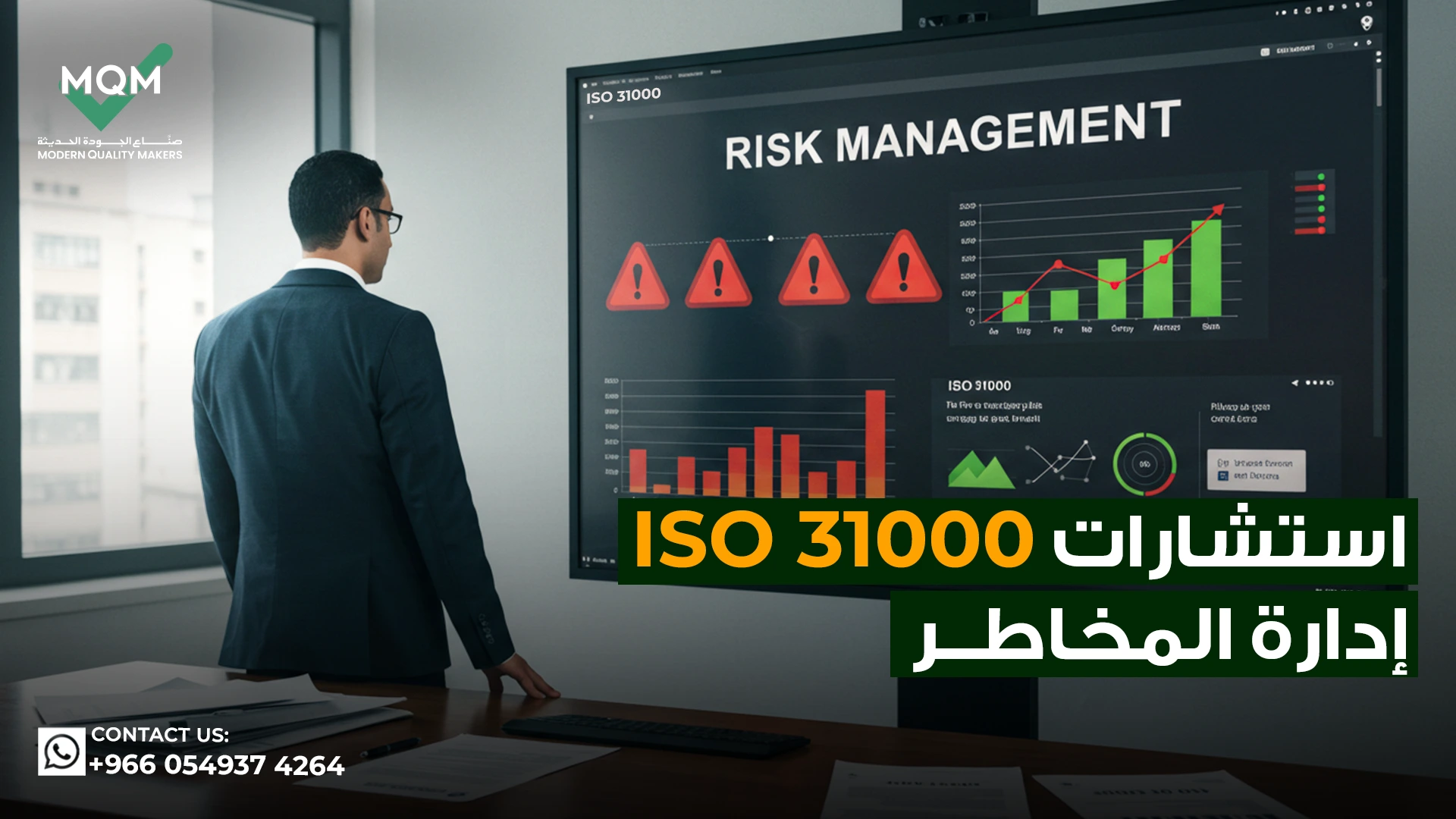

Companies and organizations face multiple risks that may affect business continuity and the achievement of objectives, ranging from financial and operational risks to compliance, technology, and reputational risks. Therefore, risk management has become an important part of strategic planning and decision-making.
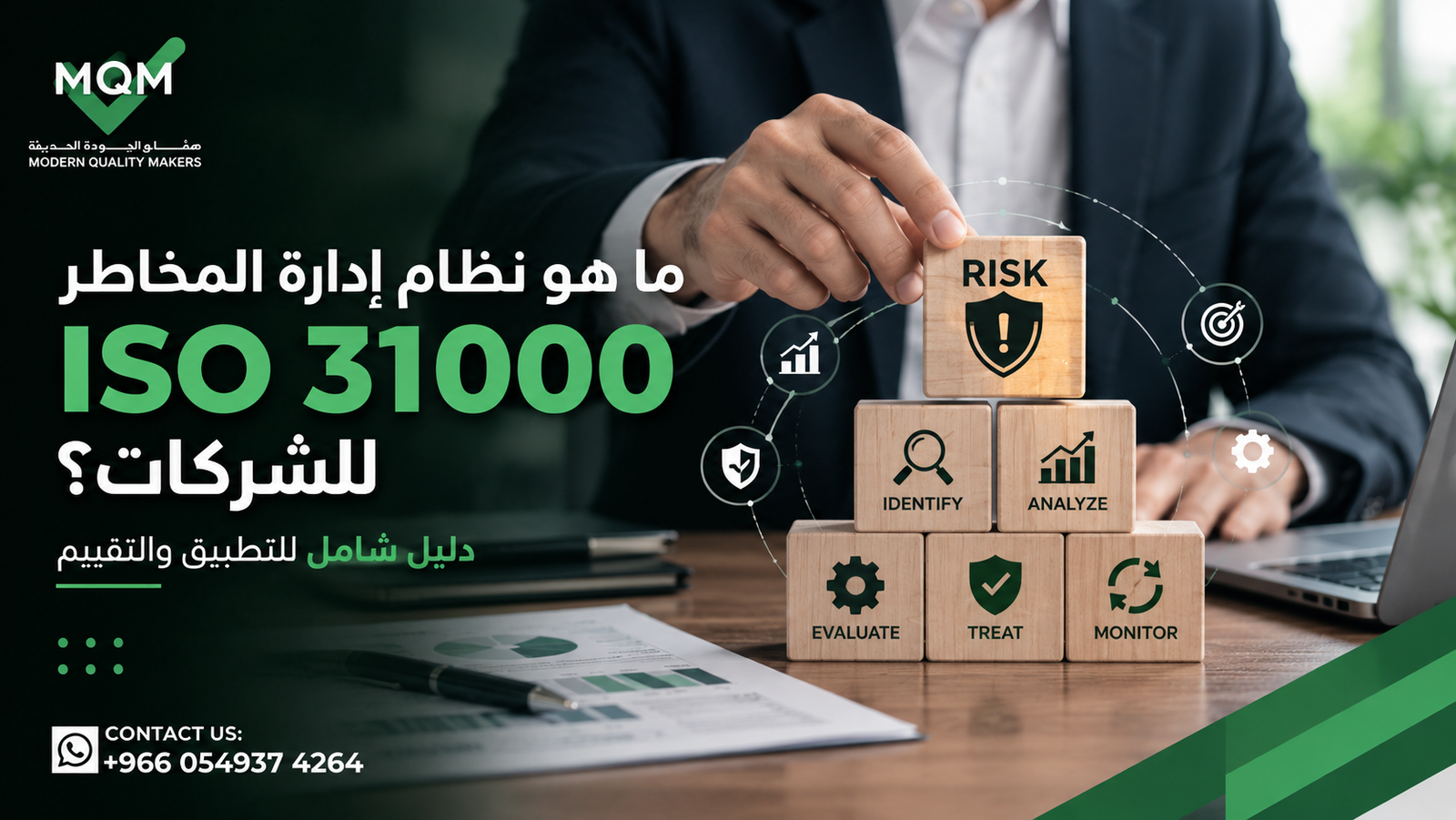
The ISO 31000 standard provides guidelines that help organizations identify, analyze, evaluate, and treat risks systematically, while considering the nature of their activities, objectives, and operating environment. ISO 31000 for companies is a reference that can be used to build a clear risk management methodology and integrate it into daily operations.
In this guide from Quality Makers, we explore the concept of ISO 31000, its principles, the risk management framework, practical steps for identifying, assessing, and treating risks, as well as its benefits and how to implement it within organizations.
ISO 31000 for companies helps establish a clear methodology for dealing with uncertainty and connecting risk assessment to an organization’s strategic and operational objectives.
What Is the ISO 31000 Risk Management System for Companies?
A risk management system refers to the policies, procedures, and processes an organization uses to understand risks that may affect its objectives, prioritize how to address them, and monitor changes that may influence risk levels.
ISO 31000 is an international guidance standard issued by the International Organization for Standardization (ISO). It provides principles, a framework, and a process for risk management. It can be used across various sectors, including manufacturing, services, finance, government, and nonprofit organizations.
ISO 31000 for companies helps organizations treat risks as part of management and planning rather than as issues to address only after problems occur. This includes understanding the organization’s internal and external context, communicating with stakeholders, identifying and analyzing risks, evaluating them, and selecting appropriate actions to address them.
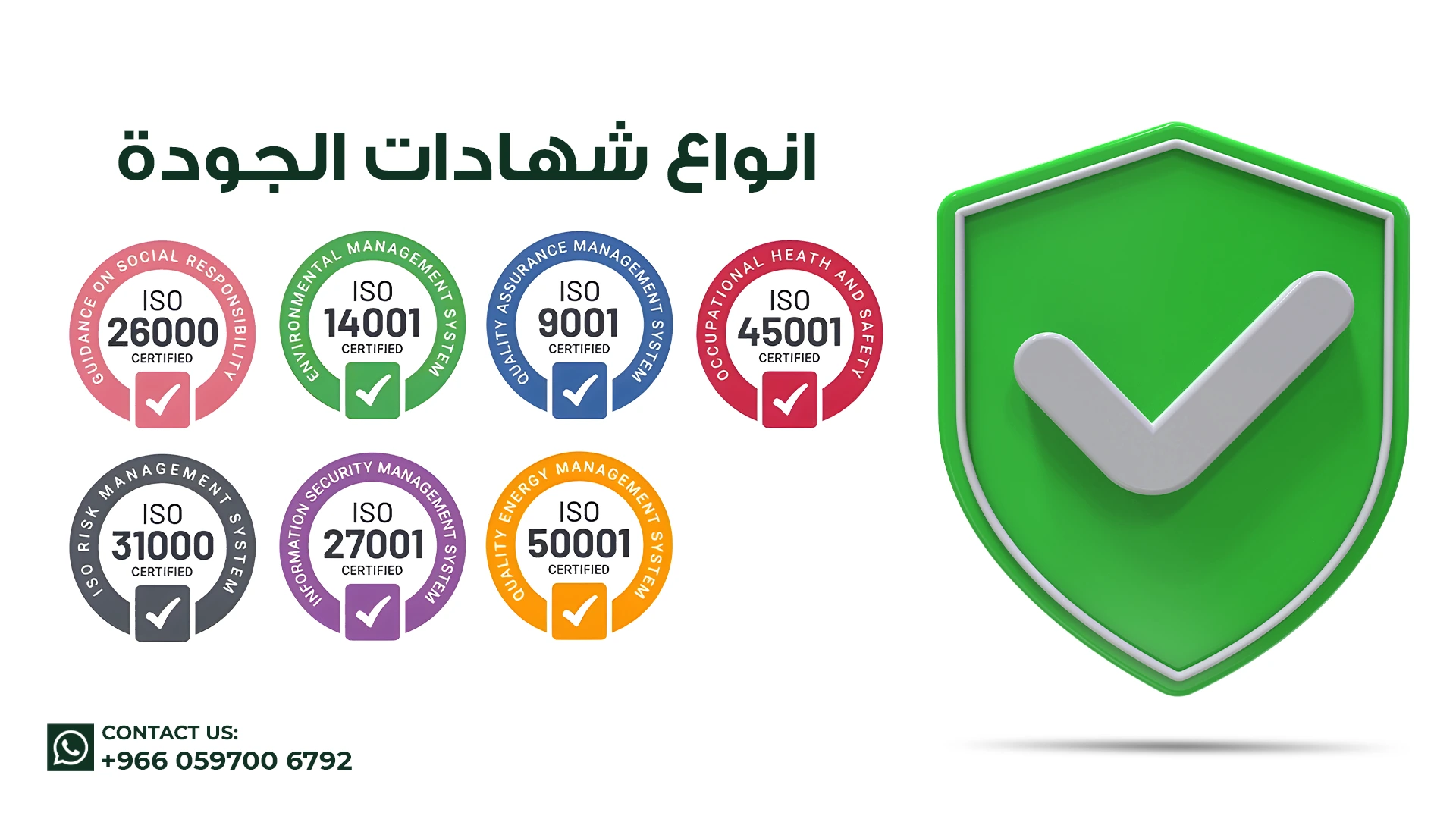
It is important to clarify that ISO 31000 provides risk management guidance rather than requirements for a management system that can be certified by ISO. Therefore, organizations should distinguish between implementing the standard’s guidance and claiming to have obtained an accredited certification under it.
What Is the ISO 31000 Standard?
ISO 31000 is an international standard that provides general risk management guidelines. It can be applied to different types of organizations, activities, and decisions. It helps establish a consistent approach to understanding and addressing risks so that the process remains aligned with organizational objectives and needs.
ISO 31000:2018 was released to replace the 2009 edition. It provides guidance on risk management principles, the framework, and the process used to implement them. Organizations should consult the official ISO website to verify the standard’s latest status and any subsequent updates.
The value of ISO 31000 for companies lies in its flexibility. It does not impose a single model for every organization; instead, each organization can adapt its risk management methodology to its size, business activities, and level of complexity.
Can You Obtain ISO 31000 Certification?
Many users search for terms such as ISO 31000 certification and ISO 31000 Certificate. However, the standard itself provides guidance and is not a certifiable standard issued by ISO. Organizations can implement its guidelines, develop procedures, and document their risk management methodology.
If a training or consulting provider offers a certificate of attendance or completion for an ISO 31000-related course, it is important to distinguish a training certificate from a management system conformity certificate. Organizations should also verify the nature of the certificate and the issuing body before relying on any marketing claims.
Why Is ISO 31000 Important for Risk Management in Organizations?
Organizations need a clear methodology for understanding potential challenges, setting priorities, and allocating resources. The guidance provided by ISO 31000 helps establish this methodology and connect it to planning and daily management.
The main benefits include:
- Improved decision-making: Understanding potential risks and the expected outcomes of different alternatives.
- Fewer operational surprises: Identifying problems early that could affect production or service delivery.
- Business continuity support: Planning how to respond to events that could disrupt operations.
- Better resource utilization: Directing effort and budgets toward the most significant risks.
- Improved internal communication: Clarifying responsibilities and risk reporting procedures.
- Stronger governance: Providing management and stakeholders with more structured information.
By implementing ISO 31000 for companies, organizations can develop a more consistent approach to risk management while recognizing that the results depend on implementation quality and how effectively the methodology is connected to actual decisions.
What Are the Principles of ISO 31000?
ISO 31000 is based on a set of principles that guide risk management and help make it more effective. The key principles include:
- Integration: Embedding risk management into governance, strategy, and operations instead of separating it from organizational activities.
- Structured and comprehensive approach: Using clear steps to ensure consistency in risk management.
- Customization: Designing the methodology to suit the organization’s objectives, context, and needs.
- Inclusion: Involving stakeholders and benefiting from their expertise and information.
- Dynamic approach: Updating risk assessments as circumstances and information change.
- Best available information: Using data, experience, and reasonable assumptions while acknowledging uncertainty.
- Human and cultural factors: Understanding how individual behavior and organizational culture influence risk management.
- Continual improvement: Reviewing the methodology and its results and developing them over time.
These principles help make ISO 31000 for companies part of the organizational culture, so that reporting and discussing risks become shared responsibilities rather than tasks assigned to a single department.
ISO 31000 for companies emphasizes integrating risk management into daily decisions while considering changes in the business environment and stakeholder needs.
What Are the Components of the ISO 31000 Risk Management Framework?
The risk management framework explains how to organize the responsibilities and activities required to support risk management within an organization. This requires leadership commitment, defined roles, adequate resources, and integration with existing processes.
The main components of the framework include:
Leadership and commitment: Clarifying the role of senior management in supporting risk management and defining overall direction and responsibilities.
Integration: Connecting risk management with strategy, governance, planning, and daily operations.
Design: Understanding the internal and external context, defining roles and resources, establishing communication channels, and preparing reporting mechanisms.
Implementation: Applying the established procedures and incorporating them into decisions and operational activities.
Evaluation: Reviewing the framework’s suitability and effectiveness against established objectives.
Improvement: Addressing weaknesses and developing the framework based on changes and results.
This framework differs from the risk management process itself. The framework focuses on how risk management is organized within the organization, while the process focuses on identifying, analyzing, evaluating, treating, and monitoring risks.
ISO 31000 for companies can help clarify departmental responsibilities, establish communication and reporting mechanisms, and periodically review the effectiveness of the risk management framework.
What Are the Steps in the Risk Management Process?
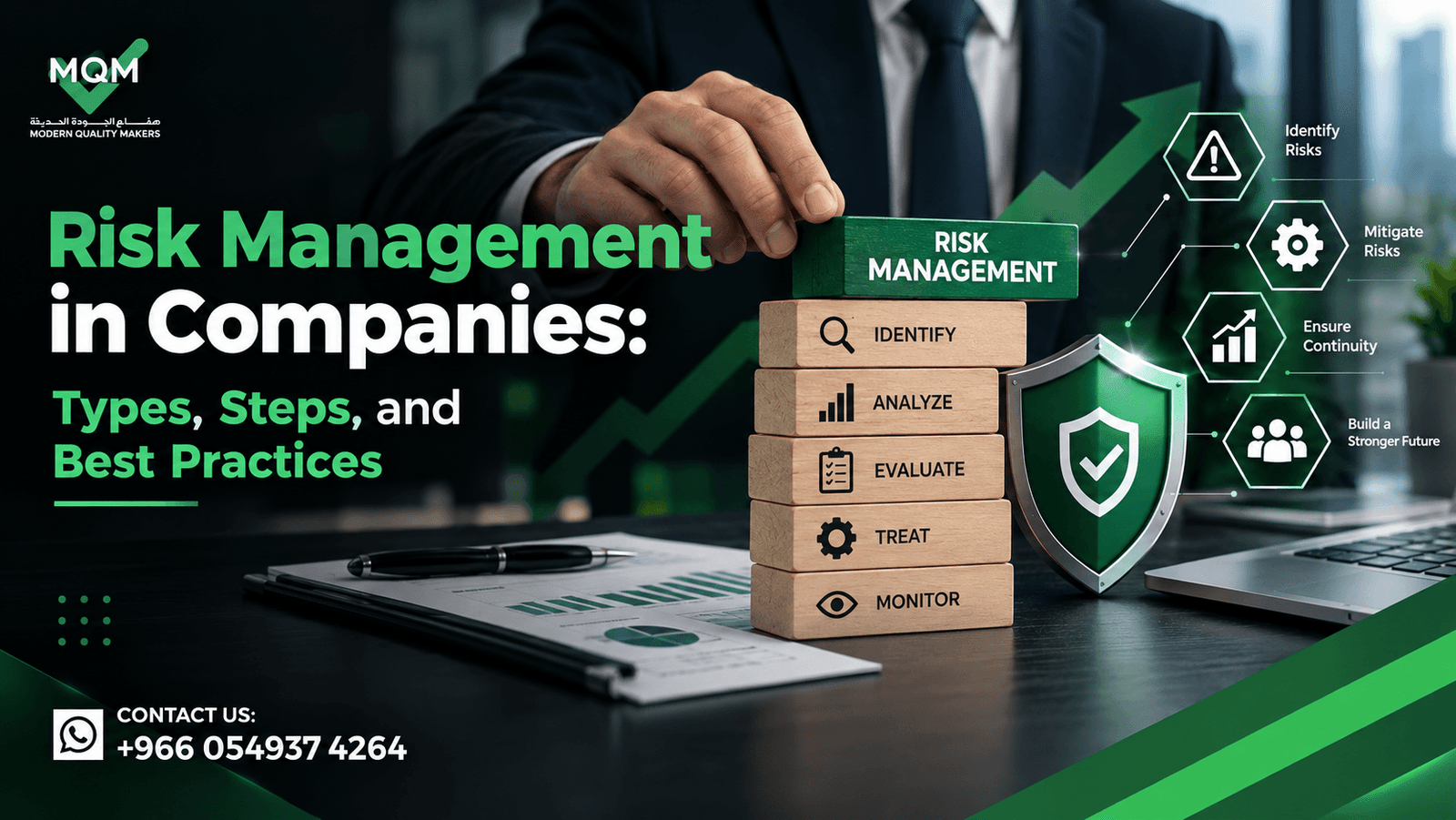
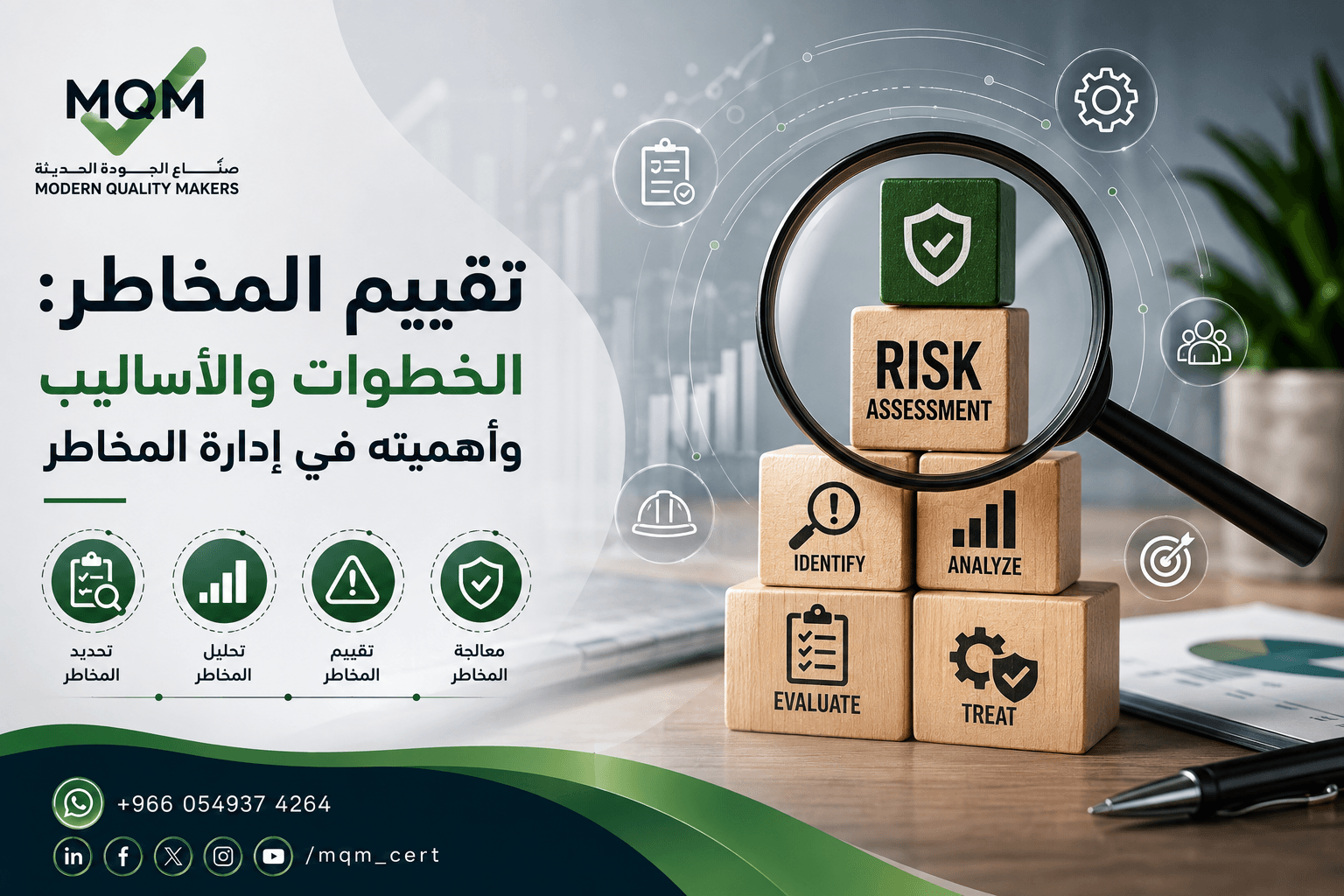
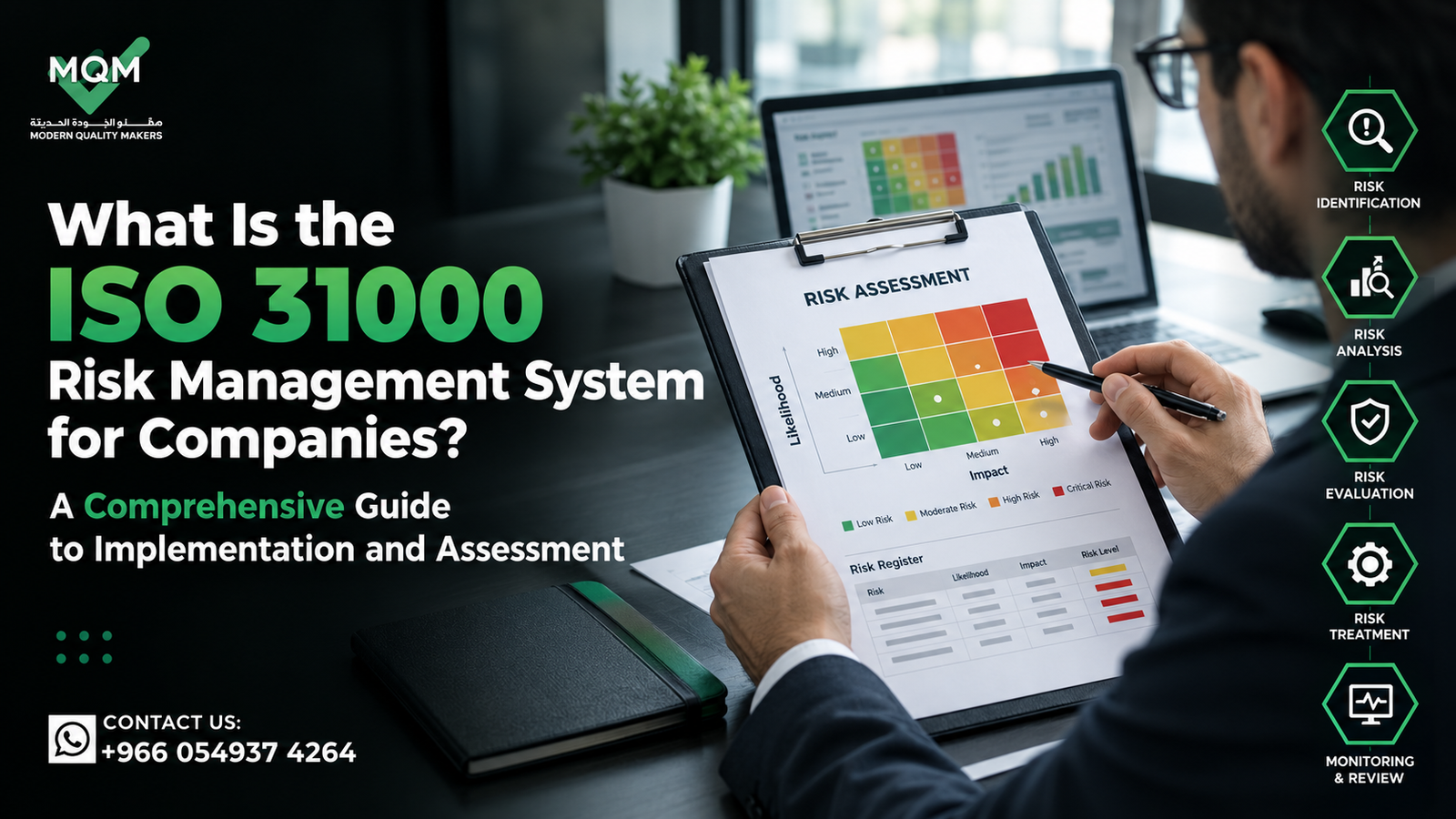
The risk management process includes a series of interconnected activities that can be adapted to an organization’s needs. ISO 31000 includes communication and consultation, defining the scope, context, and criteria, assessing risks, treating them, and then monitoring, reviewing, documenting, and reporting.
The main steps are:
- Establishing the scope, context, and criteria: Define the activity or decision being assessed, understand the surrounding conditions, and establish criteria for evaluating risks.
- Risk identification: Identify events or circumstances that could affect objectives.
- Risk analysis: Understand the causes of each risk, its likelihood, potential consequences, and existing controls.
- Risk evaluation: Compare the analysis results against the established criteria to determine priorities.
- Risk treatment: Select appropriate actions to avoid, reduce, share, or accept the risk, depending on the circumstances.
- Monitoring and review: Ensure that assessments remain relevant and that risk treatment measures remain effective.
- Documentation and reporting: Record findings, decisions, and responsibilities to support review and transparency.
These steps provide a practical foundation for using ISO 31000 for companies. Communication and consultation with relevant parties should take place throughout the process, not just at one stage.
ISO 31000 for companies provides guidance for organizing the stages of risk identification, analysis, evaluation, and treatment according to the nature of each activity.
How Are Risks Identified, Analyzed, and Evaluated?
Risk management begins by identifying what could happen, then understanding its causes and consequences, and finally determining its significance against the organization’s criteria.
Risk Identification
The organization identifies events that could affect the achievement of its objectives. Information can be gathered from incident records, employee observations, customer complaints, audit reports, process analysis, and market changes.
Risk Analysis
Risk analysis examines the causes of a risk, its likelihood, and its potential impact, while reviewing existing controls and their effectiveness. Organizations can use qualitative ratings such as low, medium, and high, or quantitative methods when suitable data is available.
Risk Evaluation
The analysis results are compared against the criteria established by the organization. This helps identify risks requiring urgent treatment and those that can be monitored or accepted within clearly defined limits.
There is no single assessment scale suitable for every organization. Criteria should align with organizational objectives, risk tolerance, and relevant legal and regulatory requirements.
What Types of Risks Do Companies Face?
Risks vary according to sector, organizational size, and business activities. However, they can be grouped into major categories to help organize assessments:
- Strategic risks: Such as market changes, competition, or decisions that conflict with organizational objectives.
- Operational risks: Such as equipment failures, process errors, or resource shortages.
- Financial risks: Such as cash flow issues, price fluctuations, or customer payment defaults.
- Legal and regulatory risks: Such as noncompliance with laws, regulations, and contracts.
- Technology and cybersecurity risks: Such as data loss, system outages, or unauthorized access.
- Human resource risks: Such as skills shortages, high employee turnover, or inadequate training.
- Reputational risks: Such as recurring complaints, lack of transparency, or inappropriate crisis management.
- Environmental and health risks: Such as workplace accidents, pollution, or poor resource management.
ISO 31000 for companies helps establish a consistent methodology for assessing these different types of risks without assuming that every risk has the same level of importance or requires the same treatment.
How Are Risks Classified Within an Organization?
Risk classification organizes risks into groups that make them easier to analyze and assign responsibility for. Risks can be classified by source, affected department, likelihood, impact, or the urgency of the required response.
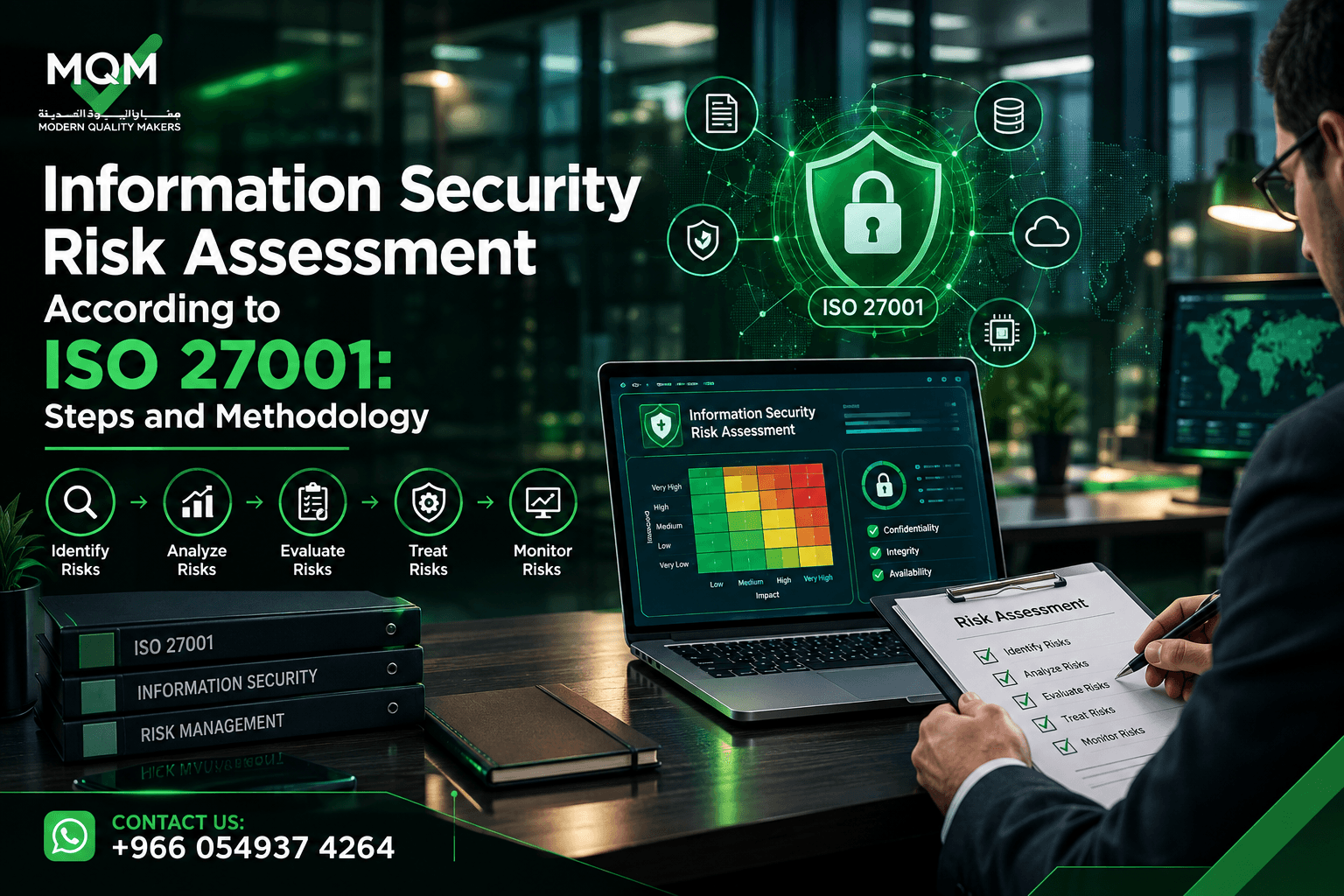
One commonly used tool is a risk matrix, which compares the likelihood of an event with the severity of its impact. An organization may use levels such as low, medium, and high, provided each level is clearly defined and supported by consistent criteria.
Example: An organization may classify the failure of a technology system used in daily operations as an operational and technical risk. The risk level is estimated according to the likelihood of failure and its impact on service delivery. Appropriate measures may then be selected, such as backups and system recovery plans.
Risk classifications should be reviewed periodically because changing circumstances or new information may alter risk levels and response priorities.
When implementing ISO 31000 for companies, an organization can create a unified risk register that classifies risks by source, likelihood, and impact while assigning a person responsible for monitoring each risk.
How Are Risks Treated and Managed?
After risk assessment, the organization chooses an appropriate response based on the risk level, objectives, and available resources. Common options include:
Risk avoidance: Modifying an activity or decision so that the risk no longer exists, when feasible and appropriate.
Risk reduction: Taking measures to lower the likelihood of occurrence or limit its impact, such as improving operating procedures, providing additional training, or implementing technical controls.
Risk sharing: Using appropriate arrangements to distribute some financial impacts or responsibilities with another party, such as insurance or certain contractual arrangements, subject to their terms.
Risk acceptance: Retaining the risk after assessment when it falls within the organization’s acceptable limits, while documenting the decision, its justification, and the monitoring arrangements.
The treatment plan should specify the required action, the person responsible for implementation, necessary resources, the target deadline, and how effectiveness will be measured. This turns assessment results into practical steps instead of simply recording risks in a table.
What Are the Benefits of Implementing ISO 31000 in Companies?
Implementing ISO 31000 guidance can help improve the organization of risk-related information and connect it to decision-making. Potential benefits include:
- Providing a clearer view of risks that may affect objectives.
- Improving prioritization and resource allocation.
- Supporting contingency planning and operational continuity.
- Strengthening coordination between departments.
- Documenting decisions about accepting or treating risks.
- Improving the organization’s ability to review outcomes and learn from incidents.
These benefits depend on how well the methodology is integrated into organizational activities, the quality of the information used, management and employee involvement, and the effectiveness of monitoring procedures.
How Does ISO 31000 Improve Decision-Making Within an Organization?
Management decisions require an understanding of opportunities, risks, and the potential outcomes of each alternative. ISO 31000 helps organize this information so that management can compare alternatives using clear criteria rather than relying solely on impressions.
For example, when considering the launch of a new service, an organization can assess the associated financial, operational, technical, and regulatory risks. It can then estimate the impact of each risk and determine which controls are needed before launch.
Assessment results can also help determine whether to modify the implementation plan, allocate additional resources, or postpone a decision until more information becomes available. This approach does not guarantee that every decision will be correct, but it helps make decisions clearer and better grounded in the available information.
How Can Companies Implement ISO 31000?
Organizations can begin implementing ISO 31000 guidance gradually, according to their needs, by following these steps:
- Obtain senior management support and define the objectives of the risk management process.
- Assign responsibilities and identify the departments and parties involved.
- Understand the internal and external context and relevant requirements.
- Create a risk register that describes each risk, its causes and impacts, and existing controls.
- Establish criteria for likelihood, impact, and acceptable risk levels.
- Assess risks and prioritize them.
- Develop treatment plans and assign responsibilities, deadlines, and resources.
- Monitor the implementation of measures and evaluate their effectiveness.
- Review results and update the risk register when circumstances change.
- Document decisions and reports and apply lessons learned.
It is advisable to begin with the most critical processes or those most exposed to risks, then gradually expand the scope of implementation. Relevant employees should also be trained to identify risks, report them, and use assessment tools.
Implementing ISO 31000 for companies does not simply mean preparing a risk register. It requires ongoing review and communication, as well as connecting assessment results to decisions and responsibilities throughout the organization.
The value of ISO 31000 for companies goes beyond preparing a risk register. It includes continuous monitoring, updating assessments, and using the results to improve decision-making.
Conclusion
Risk management helps organizations understand potential challenges and prepare for them in a more structured way instead of responding only after problems occur. ISO 31000 provides guidance that can be adapted to identify, analyze, evaluate, treat, and monitor risks while integrating these activities into planning and daily operations.
Successful implementation depends on management commitment, clearly defined responsibilities, high-quality information, effective treatment measures, and continuous review. Risk management should therefore be viewed as an ongoing practice that supports decision-making and performance improvement, rather than a one-time activity.
Is your organization looking to develop a more effective risk management methodology? Quality Makers can help you understand and develop risk management practices in line with best practices and standards appropriate to your business activities and objectives.
Frequently Asked Questions About ISO 31000 and Risk Management
What Are the ISO 31000 Standards?
ISO 31000 is an international risk management guidance standard that provides principles, a framework, and a process that organizations can adapt to their objectives and activities. It does not impose one uniform model on all organizations.
What Is Risk Management in Organizations?
It is a structured process for identifying risks that may affect objectives, analyzing their likelihood and impact, evaluating their priority, selecting appropriate responses, and monitoring them.
What Are the Steps in the Risk Management Process?
They include establishing the scope, context, and criteria; identifying, analyzing, evaluating, and treating risks; and then monitoring, reviewing, documenting, and reporting, with communication and consultation involving stakeholders.
What Are the Five Steps of Risk Assessment?
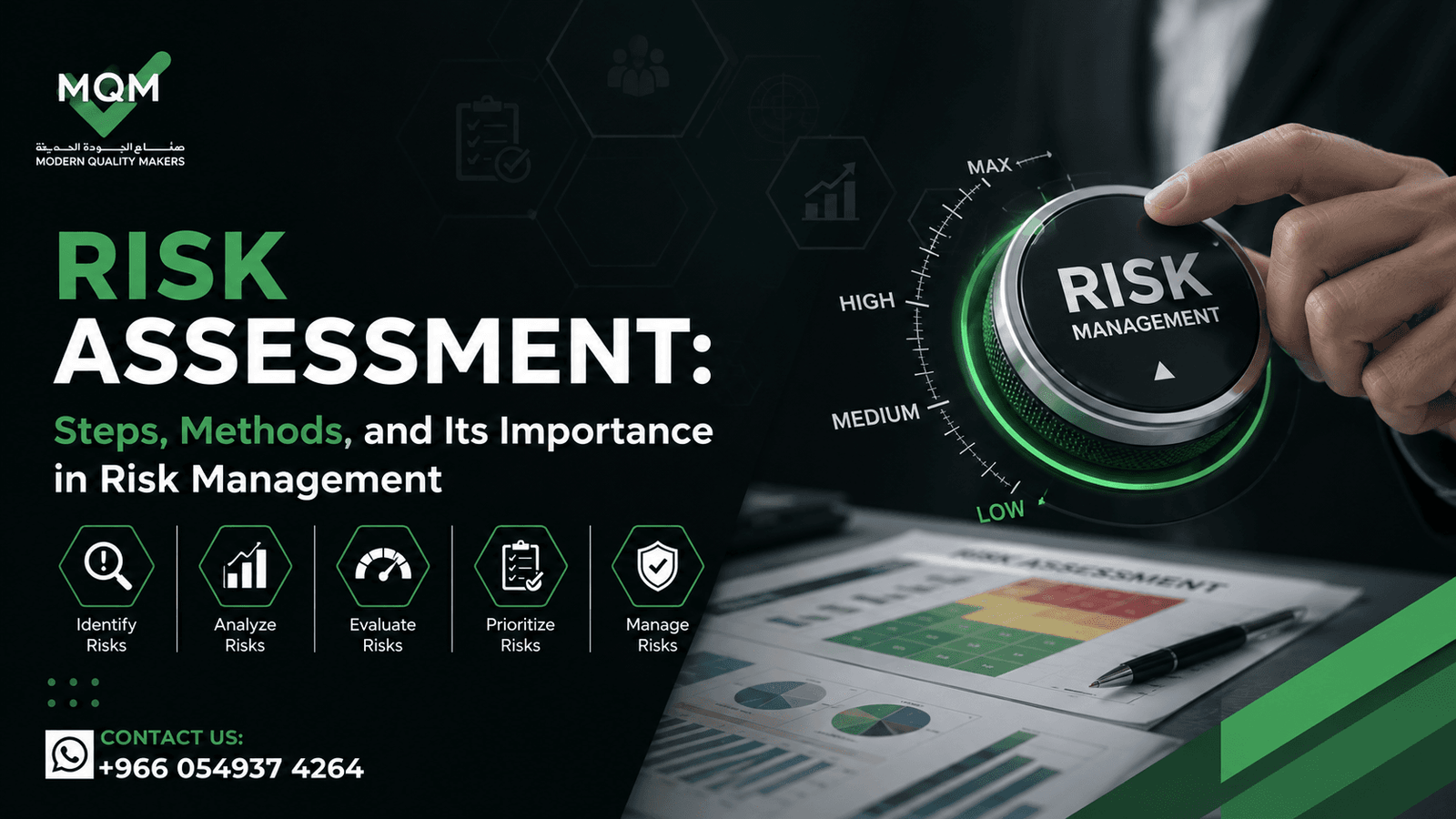
Risk assessment can be summarized in five practical steps: identifying risks, determining who or what may be affected, analyzing likelihood and impact, evaluating the risk level against established criteria, and determining appropriate actions. This is a practical summary, not a mandatory five-step structure stated verbatim in ISO 31000.
What Are the Main Types of Risks?
They include strategic, operational, financial, legal, technological, human resource, reputational, environmental, and health risks. Their importance varies from one organization to another.
What Are the Types of Workplace Risks?
They may include occupational accidents, equipment failure, operational errors, insufficient training, supply chain problems, data loss, and noncompliance with regulatory requirements.
How Are Risks Classified?
Risks can be classified according to their source, type, responsible department, likelihood, and severity of impact. A risk matrix may be used to determine priority levels based on the organization’s criteria.
What Are the ISO 31000 Risk Management Standards?
ISO 31000 provides principles, a framework, and a process for risk management, but it does not impose one fixed system on all organizations. Its guidance can be adapted to the organization’s context, objectives, and needs.
What Are Some Examples of Risks?
Examples include a technology system failure, a delay by a key supplier, rising material costs, loss of important data, an occupational accident, or failure to comply with a legal requirement.
Why Is ISO 31000 Important for Companies?
It helps organize the risk management process, improve understanding of potential threats, support decision-making, prioritize actions, and monitor measures intended to reduce negative impacts.
What Are the Benefits of Implementing ISO 31000 in Organizations?
Potential benefits include better coordination between departments, documented decisions, more effective allocation of resources to significant risks, support for business continuity, and stronger review and continual improvement.
How Is ISO 31000 Implemented Within a Company?
Implementation begins with defining objectives and responsibilities, understanding the context, preparing a risk register, and establishing assessment criteria. The organization then develops treatment plans, monitors their implementation, and reviews them periodically.
What Is the Difference Between Risk Assessment and Risk Analysis?
Risk analysis involves understanding the nature and causes of a risk, its likelihood, and its impact. Risk evaluation compares the analysis results with defined criteria to establish priorities and decide whether treatment is needed.
How Does Risk Management Support Decision-Making?
Risk management helps organizations compare alternatives, understand the potential consequences of each decision, identify measures needed to reduce risks, and clarify the level of uncertainty that may affect the achievement of objectives.